
Capturing birds in flight is a rewarding challenge for photographers. Adding motion blur to these images can transform a simple snapshot into a dynamic work of art, emphasizing speed, direction, and the natural grace of birds. Understanding how to use blur creatively opens up new possibilities for storytelling and visual impact in wildlife photography.
This guide explores practical methods for achieving artistic blur effects with birds, from camera settings and panning to composition and lighting. Whether you’re just starting or looking to refine your skills, you’ll find actionable tips to help you create expressive, energetic images that stand out.
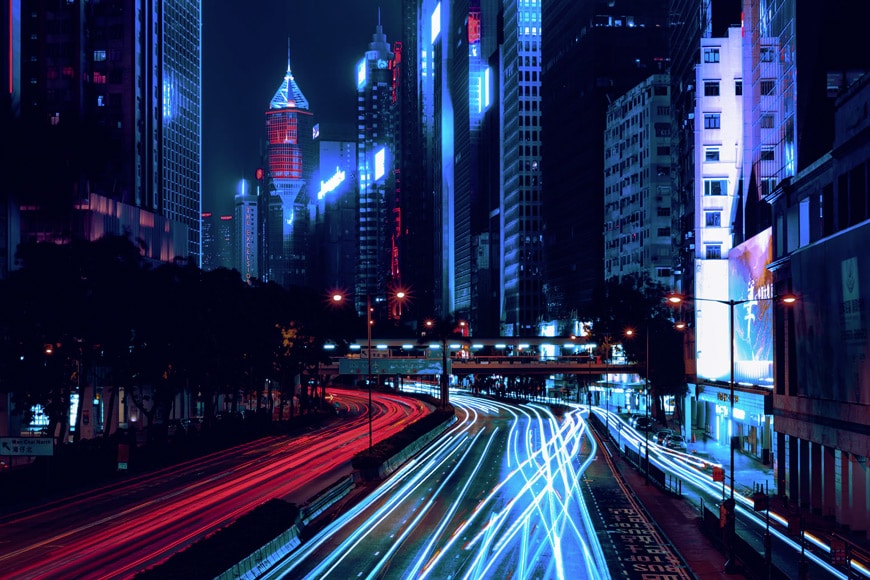
If you’re interested in exploring similar creative techniques, check out our motion blur event photography resource for more inspiration.
Why Use Motion Blur in Bird Images?
Introducing motion blur into bird photography adds a sense of movement and energy that sharp, frozen shots often lack. It can highlight the speed of a bird’s wings, the direction of flight, or the atmosphere of a busy flock. This approach also helps convey the environment and mood, especially in low light or dramatic weather.
While sharpness is often prized in wildlife images, intentional blur can make your photos more expressive. It draws the viewer’s eye to the flow of action, creating a painterly effect that’s both artistic and unique.
Essential Camera Settings for Creative Blur
Achieving the right amount of blur requires careful control over your camera’s exposure settings. Here are the most important factors to consider:
- Shutter Speed: The key to motion blur is using a slower shutter speed. For birds in flight, start with speeds between 1/15 and 1/125 second. Experiment to find the balance between too much blur and enough detail.
- Aperture: A smaller aperture (higher f-number) helps maintain focus on the bird while letting you use slower shutter speeds. However, in low light, you may need to open up the aperture to avoid underexposure.
- ISO: Keep ISO as low as possible to reduce noise, but don’t be afraid to raise it if you need more light for a proper exposure.
- Focus Mode: Continuous autofocus (AI Servo/AF-C) helps track moving birds, even when using slower shutter speeds.

Panning Techniques for Dynamic Results
One of the most effective ways to create controlled blur is through panning. This involves moving your camera horizontally (or vertically, depending on the bird’s path) to follow the subject while using a slow shutter speed. The result is a sharp bird against a streaked, blurred background, emphasizing motion and direction.
- Stand with your feet shoulder-width apart for stability.
- Lock your elbows close to your body and rotate from your waist as you follow the bird.
- Use burst mode to increase your chances of capturing the perfect moment.
- Keep your focus point on the bird’s head or body as you track its movement.
- Practice with birds flying parallel to your position for the most dramatic effect.
Panning takes practice, but it’s a rewarding skill that can transform your bird images. If you’re interested in applying similar methods to other subjects, our motion blur outdoor photography guide offers more tips.
Lighting and Environmental Considerations
Natural light plays a crucial role in motion blur bird photography. Overcast days provide softer light and allow for slower shutter speeds without overexposing your images. Early morning and late afternoon, known as the golden hours, offer warm tones and long shadows that enhance the mood of your photos.
Avoid harsh midday sunlight, which can create unwanted highlights and deep shadows. If you must shoot in bright conditions, use a neutral density (ND) filter to reduce the amount of light entering your lens. This lets you use slower shutter speeds even in daylight, making it easier to achieve the desired blur.

Composition Tips for Artistic Bird Images
When working with blur, composition becomes even more important. Here are some ideas to help you create visually compelling photos:
- Leave Space in the Direction of Movement: Allow extra room in the frame ahead of the bird to suggest motion and give your subject somewhere to “fly.”
- Use Leading Lines: Rivers, branches, or clouds can guide the viewer’s eye and add context to the scene.
- Frame with Foreground Elements: Blurred leaves or grasses in the foreground can add depth and atmosphere.
- Experiment with Multiple Birds: Flocks in flight can create abstract patterns and layered motion effects.
For more inspiration on creative blur, you might enjoy browsing this collection of beautiful motion blur photos from photographers around the world.
Common Challenges and How to Overcome Them
Working with moving subjects and slow shutter speeds can be tricky. Here are some common issues and solutions:
- Unwanted Camera Shake: Use a monopod or tripod with a gimbal head for extra stability, especially with heavy lenses.
- Overexposed Images: Lower your ISO, close down your aperture, or use an ND filter to control light.
- Missed Focus: Pre-focus on a spot where birds are likely to fly, or use back-button focus for better control.
- Too Much or Too Little Blur: Adjust your shutter speed incrementally and review your results often to fine-tune the effect.
If you’re interested in applying these techniques to other fast-moving subjects, our motion blur motorsports photography guide and motion blur running photography guide offer additional tips.
Experimenting with Advanced Techniques
Once you’re comfortable with the basics, try experimenting with more advanced methods:
- Intentional Camera Movement (ICM): Move your camera in a deliberate pattern (up, down, or circular) during the exposure for abstract results.
- Multiple Exposures: Some cameras allow you to combine several frames in-camera, layering different movements for a painterly effect.
- Creative Post-Processing: Use editing software to enhance colors, contrast, and sharpness in key areas while preserving the natural blur.
These approaches can help you develop a personal style and push the boundaries of traditional wildlife photography.
Frequently Asked Questions
What shutter speed should I use for blurred bird photos?
Start with shutter speeds between 1/15 and 1/125 second. The ideal speed depends on the bird’s movement and the amount of blur you want. Faster birds may require slightly quicker speeds to retain some detail, while slower birds or more abstract images can use longer exposures.
How do I keep the bird sharp while blurring the background?
Use the panning technique: follow the bird’s movement with your camera while using a slow shutter speed. This keeps the subject relatively sharp while the background blurs, emphasizing motion.
Can I create motion blur effects in bright sunlight?
Yes, but you may need to use a neutral density (ND) filter to reduce the amount of light entering your lens. This allows you to use slower shutter speeds without overexposing your image, making it easier to achieve the desired blur effect even in daylight.
Are there other genres where I can use these techniques?
Absolutely. The same principles apply to other fast-moving subjects. For example, our motion blur skating photography techniques article explores similar creative approaches.