

Capturing movement in outdoor settings can transform ordinary scenes into dynamic, expressive images. Motion blur outdoor photography is a technique that leverages slower shutter speeds to record the path of moving subjects or elements, creating a sense of energy and storytelling in your photos. Whether you’re aiming to convey the rush of a cyclist, the flow of a waterfall, or the bustle of a city street, mastering this approach opens up creative possibilities for photographers at any level.
In this article, you’ll discover practical methods, camera settings, and tips for achieving compelling motion blur effects outside. For those interested in more specialized topics, such as capturing athletes in action, you might also find value in our motion blur running photography guide.
Understanding Motion Blur in Outdoor Photography
Motion blur occurs when a moving subject or the camera itself shifts during exposure, causing parts of the image to appear streaked or soft. In outdoor environments, this can be used intentionally to highlight speed, direction, or the passage of time. The effect is most noticeable when there’s a strong contrast between moving and stationary elements—think of a sharp background with blurred runners, or a crisp landscape with silky, flowing water.
The key to successful motion blur outdoor photography is controlling your camera’s shutter speed. A slower shutter allows more movement to be recorded, while a faster one freezes action. By adjusting this setting, you can decide how much blur to introduce and where to keep details sharp.
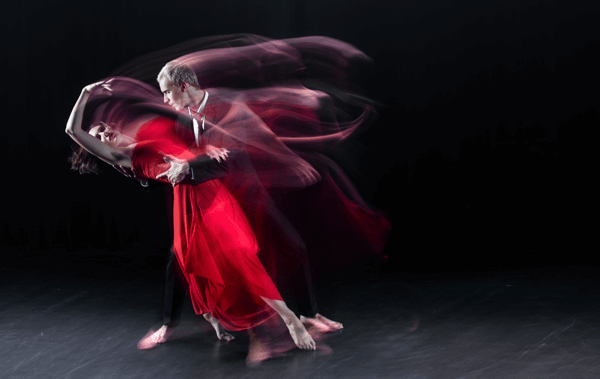
Essential Camera Settings for Capturing Movement
The foundation of any motion blur image is the shutter speed. For outdoor shots, start by switching your camera to Shutter Priority (S or Tv mode) or Manual mode. Here are some practical tips for dialing in your settings:
- Shutter Speed: Speeds between 1/15 and 1/60 second are a good starting point for moderate blur. For more dramatic effects, try 1/8 second or slower. The exact value depends on how fast your subject is moving and the amount of blur you want.
- Aperture: To compensate for the extra light entering during longer exposures, use a smaller aperture (higher f-number). This also increases depth of field, keeping more of your scene in focus.
- ISO: Set ISO as low as possible (e.g., ISO 100 or 200) to minimize noise and prevent overexposure in bright conditions.
- Stabilization: Use a tripod or stable surface to keep stationary elements sharp, especially when using very slow shutter speeds.
If you’re shooting in bright sunlight and can’t achieve a slow enough shutter speed, consider using a neutral density (ND) filter to reduce the amount of light entering the lens.
Creative Techniques for Outdoor Motion Blur
There are several ways to incorporate motion blur effects in outdoor photography:
- Panning: Track a moving subject (like a cyclist or runner) with your camera while using a slow shutter speed. This keeps the subject relatively sharp while blurring the background, emphasizing speed and direction.
- Static Camera, Moving Subject: Keep your camera still and let the subject’s movement create blur. This works well for waterfalls, rivers, or passing vehicles.
- Intentional Camera Movement (ICM): Move your camera during exposure—up, down, or in a circular motion—to create abstract, painterly effects with trees, clouds, or crowds.

Experimenting with these techniques can help you find your own style and discover new ways to tell stories through movement.
Common Subjects and Inspiration
Outdoor environments offer endless opportunities for motion blur. Some popular subjects include:
- Water: Streams, waterfalls, ocean waves, and fountains can all be transformed with longer exposures. For more on this, see our motion blur ocean waves photography guide.
- Sports and Action: Runners, cyclists, skaters, and vehicles are ideal for panning shots. If you’re interested in specific sports, check out our motorsports photography guide or skating photography techniques.
- Urban Life: Pedestrians, traffic, and city lights at night can all benefit from motion blur, adding a sense of vibrancy and pace.
- Nature: Wind-blown grass, swaying trees, and flocks of birds can all create beautiful, soft streaks in your images.
Looking for more technical details? This comprehensive explanation of motion blur and its visual impact provides deeper insight into the science behind the effect.
Tips for Consistent and Creative Results
- Scout Your Location: Visit your chosen spot in advance to look for interesting backgrounds and light conditions.
- Use Manual Focus: Autofocus can struggle in low light or with moving subjects. Pre-focus on the spot where you expect the action to happen.
- Take Multiple Shots: Motion blur is unpredictable. Shoot in burst mode to increase your chances of capturing the perfect moment.
- Review and Adjust: Check your images on the camera’s screen and adjust your settings as needed. Don’t be afraid to experiment with different shutter speeds and movements.
- Edit Thoughtfully: Use post-processing to enhance contrast, adjust exposure, or crop for stronger composition, but avoid over-editing which can make images look unnatural.
Frequently Asked Questions
What shutter speed should I use for outdoor motion blur?
The ideal shutter speed depends on your subject’s speed and the desired amount of blur. For moving people or vehicles, try between 1/15 and 1/60 second. For flowing water or clouds, slower speeds like 1/4 second or longer may be more effective. Always test and adjust based on your lighting and creative goals.
How do I keep parts of my image sharp while using motion blur?
To keep certain elements sharp, use a tripod to stabilize your camera and focus carefully on the stationary parts of your scene. For panning shots, move your camera smoothly with the subject’s motion—this keeps the subject relatively sharp while blurring the background.
Can I achieve motion blur effects without special filters?
Yes, you can create motion blur by using slower shutter speeds and adjusting your aperture and ISO to control exposure. However, in very bright outdoor conditions, a neutral density (ND) filter can help you achieve longer exposures without overexposing your image.