
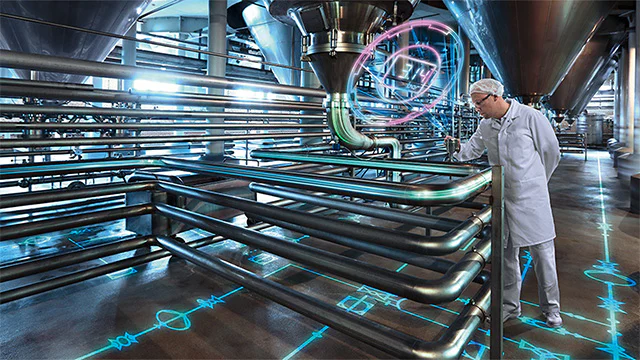
Big data is rapidly transforming the way the world tackles food security and supply chain challenges. As populations grow and climate change introduces new uncertainties, the ability to collect, analyze, and act on vast amounts of agricultural and supply chain information is becoming essential. Harnessing advanced analytics and real-time data enables stakeholders to make smarter decisions, reduce waste, and ensure that food reaches those who need it most.
This article explores how the integration of large-scale data analytics is reshaping food production, distribution, and safety. We’ll look at the practical applications, benefits, and challenges of leveraging big data for a more resilient and efficient food system. For those interested in sustainability, you may also want to learn about ways to reduce water consumption in food washing, an important aspect of resource management in the food industry.
Understanding the Impact of Data Analytics on Food Systems
The role of big data in global food security extends across the entire food value chain. From precision agriculture to logistics and retail, data-driven insights help optimize every step. By collecting information from sensors, satellites, weather stations, and supply chain networks, organizations can predict crop yields, monitor soil health, and anticipate disruptions before they escalate.
For example, farmers can use real-time weather and soil data to determine the best planting times and irrigation schedules. Food processors and distributors rely on analytics to track inventory, reduce spoilage, and streamline transportation. These improvements not only boost efficiency but also help ensure a stable and sufficient food supply for growing populations.
Enhancing Agricultural Productivity Through Data-Driven Approaches
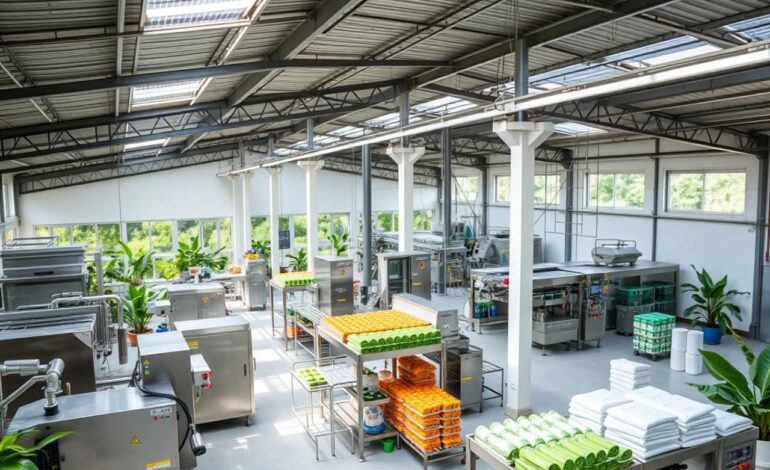
One of the most significant benefits of big data in agriculture is the ability to increase productivity while minimizing resource use. Advanced analytics enable farmers to make informed decisions about crop rotation, fertilizer application, and pest control. By analyzing historical and real-time data, they can identify patterns that would be impossible to detect manually.
Precision agriculture, powered by big data, allows for targeted interventions. For instance, sensors in the field can monitor soil moisture and nutrient levels, sending alerts when conditions deviate from optimal ranges. This reduces water and fertilizer waste, lowers costs, and improves yields. For more on optimizing resources in food processing, explore the benefits of automated weight checking systems.
Supply Chain Optimization and Food Waste Reduction
The global food supply chain is complex, involving multiple stakeholders and countless variables. Big data analytics help streamline logistics, forecast demand, and identify bottlenecks. By tracking products from farm to table, companies can reduce spoilage, improve traceability, and respond quickly to disruptions such as weather events or transportation delays.
One practical application is the use of predictive analytics to anticipate demand fluctuations. Retailers and distributors can adjust orders and delivery schedules based on real-time consumption data, minimizing overstock and reducing food waste. This not only benefits the environment but also improves profitability across the supply chain.
Improving Food Safety and Quality with Advanced Analytics
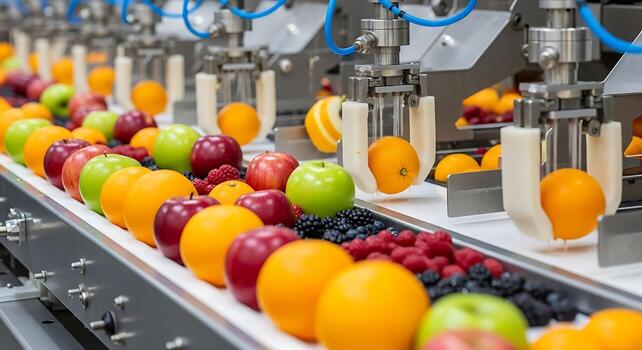
Ensuring food safety is a critical aspect of food security. Big data enables more effective monitoring of food quality throughout the production and distribution process. Sensors and connected devices can detect contaminants, track temperature changes, and monitor hygiene conditions in real time.
For example, predictive maintenance powered by artificial intelligence can help prevent equipment failures that might compromise food safety. To learn more about this technology, see this detailed overview of AI-powered predictive maintenance in food processing. These innovations help companies comply with regulations, reduce recalls, and protect consumer health.
Challenges and Considerations in Implementing Big Data Solutions
While the advantages of big data in food security are clear, there are also challenges to consider. Data privacy, interoperability, and the digital divide can limit the adoption of advanced analytics, especially in developing regions. Ensuring that smallholder farmers and local producers have access to affordable technology is essential for maximizing the benefits of data-driven agriculture.
Another consideration is data quality. Inaccurate or incomplete information can lead to poor decision-making. Establishing standardized data collection and sharing protocols is vital for building trust and ensuring that insights are reliable.
Integrating Big Data with Emerging Technologies
The future of food security will likely involve the integration of big data with other emerging technologies. Artificial intelligence, machine learning, and the Internet of Things (IoT) are already being used to enhance data analysis and automate decision-making. For instance, IoT devices can continuously monitor environmental conditions, while machine learning algorithms identify trends and recommend actions.
Combining these technologies enables a more holistic approach to food production and distribution. For example, using infrared sensors for sugar content analysis can improve quality control in food processing. Similarly, predictive tools are helping manufacturers maintain gluten-free production purity, ensuring product safety for consumers with dietary restrictions.
Big Data’s Role in Addressing Global Food Security Challenges
As the world faces increasing pressure on food systems, the strategic use of big data is becoming indispensable. By providing actionable insights, real-time monitoring, and predictive capabilities, data analytics empower stakeholders to address both immediate and long-term challenges.
From mitigating the effects of climate change to improving supply chain resilience, the potential of big data to enhance food security is vast. However, realizing these benefits requires collaboration across sectors, investment in infrastructure, and a commitment to data transparency and accessibility.
Frequently Asked Questions
How does big data help reduce food waste?
Big data enables companies to track inventory levels, monitor shelf life, and predict demand more accurately. This allows for better planning and distribution, reducing the risk of overproduction and spoilage throughout the supply chain.
What are the main challenges in adopting big data in agriculture?
Key challenges include data privacy concerns, lack of standardized systems, limited access to technology in rural areas, and the need for training and support for farmers and small producers.
Can big data improve food safety?
Yes, by enabling real-time monitoring of production environments, tracking contaminants, and supporting predictive maintenance, big data helps ensure that food products meet safety standards and reduces the likelihood of recalls.