
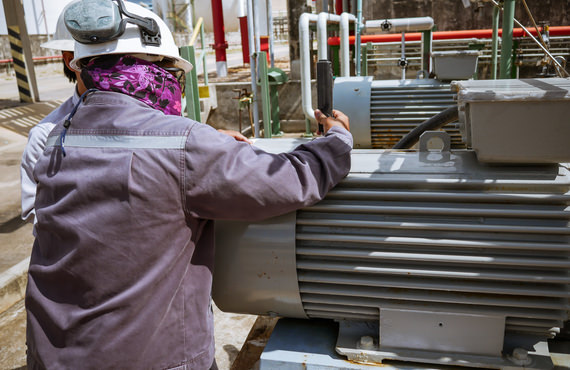
The rise of Industry 4.0 has transformed manufacturing, introducing a new era where machines, sensors, and software work together to maximize efficiency and reduce downtime. Smart factory condition monitoring is at the heart of this transformation, enabling real-time oversight of equipment health and performance. By connecting machines and analyzing their data, manufacturers can detect issues early, optimize maintenance schedules, and improve overall productivity.
This guide explores the essential concepts, technologies, and benefits of implementing a connected approach to monitoring machinery. Whether you operate a large industrial facility or a smaller production line, understanding how to leverage these tools can help you stay competitive and resilient in a rapidly evolving market.
For those interested in practical applications, you may also want to explore how factories use condition monitoring to stay ahead of failures, which provides real-world examples of these strategies in action.
What Is Connected Machine Monitoring?
At its core, connected machine monitoring involves using digital sensors and networked systems to track the health and performance of industrial assets. These systems gather data on parameters such as vibration, temperature, pressure, and electrical signals. The information is then analyzed—often in real time—to identify trends, predict failures, and trigger maintenance actions before costly breakdowns occur.
This approach is a significant shift from traditional maintenance, which relied on scheduled checks or reactive repairs. By continuously monitoring equipment, manufacturers can move toward predictive and even prescriptive maintenance, reducing unplanned downtime and extending asset life.
Key Technologies Powering Smart Factory Condition Monitoring
Several technologies form the backbone of modern condition monitoring in manufacturing environments:
- IoT Sensors: Devices that capture data on vibration, temperature, humidity, and more, transmitting it wirelessly to central systems.
- Edge Computing: Processing data close to the source (on the factory floor) for faster insights and reduced network load.
- Cloud Platforms: Centralized repositories for storing, analyzing, and visualizing machine data from multiple locations.
- Machine Learning Algorithms: Advanced analytics that detect patterns, predict failures, and recommend maintenance actions.
- Wireless Networks: Secure, robust connectivity that links sensors, controllers, and dashboards across the facility.

Benefits of Real-Time Equipment Oversight
Implementing a connected approach to monitoring machinery offers several tangible benefits:
- Reduced Downtime: Early detection of anomalies allows teams to address issues before they escalate, minimizing production interruptions.
- Lower Maintenance Costs: Predictive insights help schedule maintenance only when needed, reducing unnecessary part replacements and labor.
- Improved Asset Lifespan: Continuous oversight ensures equipment is operated within optimal parameters, extending its useful life.
- Enhanced Safety: Monitoring critical parameters can prevent hazardous failures, protecting personnel and infrastructure.
- Data-Driven Decision Making: Access to historical and real-time data supports better planning and resource allocation.
For industries with critical assets, such as power plants or textile manufacturing, leveraging vibration analysis for power plants or vibration analysis for textile machinery can further enhance reliability and operational efficiency.
Common Applications in Modern Manufacturing
Smart factory condition monitoring is being adopted across a wide range of industries and use cases. Some of the most common applications include:
- Rotating Machinery: Monitoring motors, pumps, fans, and compressors for vibration and temperature anomalies.
- Production Lines: Tracking conveyor systems and robotic arms to ensure smooth operation and prevent bottlenecks.
- Energy Management: Overseeing electrical panels and transformers for overheating or load imbalances.
- Quality Control: Ensuring consistent product output by monitoring process variables and environmental conditions.
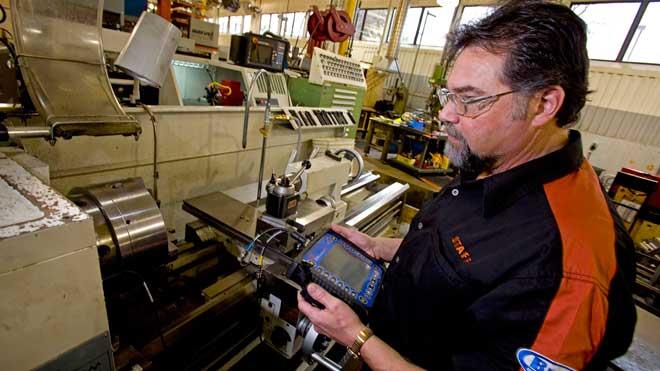
How Data Drives Predictive Maintenance
One of the most valuable outcomes of connected monitoring is the ability to implement predictive maintenance. By collecting and analyzing data over time, manufacturers can identify patterns that precede equipment failure. For example, a gradual increase in vibration levels may indicate bearing wear, while temperature spikes could signal lubrication issues.
Advanced analytics and machine learning models can process vast amounts of sensor data, flagging subtle changes that might go unnoticed by human operators. This enables maintenance teams to intervene at the optimal moment—neither too early nor too late—saving both time and resources.
For a deeper understanding of data interpretation in this context, see the comprehensive guide on machine vibration data interpretation, which offers practical tips for field technicians and engineers.
Challenges and Considerations for Implementation
While the benefits are clear, deploying a connected monitoring system is not without its challenges. Key considerations include:
- Integration with Legacy Equipment: Many factories operate a mix of old and new machinery. Retrofitting sensors and ensuring compatibility can require careful planning.
- Data Security: Protecting sensitive operational data from cyber threats is essential, especially as more devices connect to the network.
- Scalability: Solutions should be able to grow with the facility, accommodating additional machines and data streams over time.
- Change Management: Training staff and updating workflows to incorporate new technologies is critical for successful adoption.
Working with experienced partners and choosing open, interoperable platforms can help address these challenges and ensure a smooth transition to smarter operations.
Best Practices for Success with Condition Monitoring
To maximize the value of connected machine oversight, consider these best practices:
- Start Small: Pilot the system on a few critical assets before scaling up across the facility.
- Define Clear Objectives: Establish what you want to achieve—whether it’s reducing downtime, cutting costs, or improving safety.
- Leverage Existing Data: Use historical maintenance and performance records to inform your monitoring strategy.
- Collaborate Across Teams: Involve maintenance, operations, and IT from the outset to ensure alignment and buy-in.
- Continuously Improve: Regularly review system performance and refine analytics models as more data becomes available.
For organizations looking to take the next step, integrating sensor based predictive maintenance can further automate decision-making and drive continuous improvement.
Industry Standards and Further Resources
As the adoption of connected monitoring grows, industry standards and best practices are evolving. Staying informed about the latest developments can help ensure compliance and maximize ROI. For those interested in specialized techniques, such as vibration analysis, the article on advanced vibration analysis methods provides a detailed look at how these tools are applied in modern facilities.
FAQ
What types of sensors are commonly used in smart factory monitoring?
Common sensors include vibration, temperature, humidity, pressure, and current sensors. These devices collect real-time data from machinery, enabling early detection of anomalies and supporting predictive maintenance strategies.
How does connected monitoring reduce maintenance costs?
By providing continuous oversight, these systems allow maintenance to be performed only when necessary, rather than on a fixed schedule. This reduces unnecessary part replacements and labor, while also preventing costly unplanned breakdowns.
Is it possible to retrofit older machines with modern monitoring technology?
Yes, many solutions are designed to be retrofitted onto legacy equipment. Wireless sensors and modular gateways make it feasible to connect older assets and integrate them into a unified monitoring platform.