
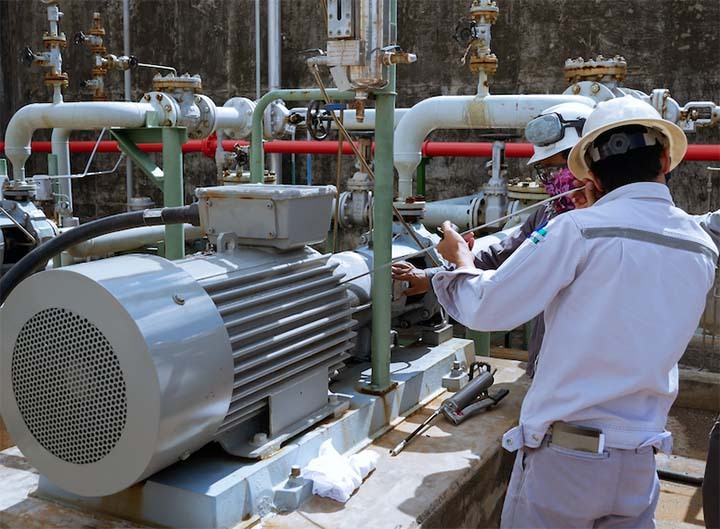
Vibration analysis success stories highlight the real-world impact of predictive maintenance and condition monitoring across a range of industries. By detecting subtle changes in equipment vibration, organizations have prevented costly breakdowns, improved safety, and extended asset lifespans. This article explores how companies in manufacturing, energy, and process industries have leveraged vibration monitoring to overcome persistent challenges, reduce downtime, and achieve measurable results.
For those interested in sector-specific applications, you can learn more about vibration analysis for power plants to see how critical assets are protected in high-stakes environments.
Transforming Maintenance with Predictive Vibration Monitoring
Traditional maintenance strategies often rely on scheduled checks or reactive repairs. However, these approaches can miss early warning signs of failure or lead to unnecessary part replacements. Vibration analysis enables teams to monitor equipment health in real time, identifying issues before they escalate. This shift from reactive to predictive maintenance is at the heart of many industrial success stories.
For example, a steel manufacturing facility once struggled with unexpected failures in its rolling mill drives. By implementing a vibration monitoring program, the maintenance team detected abnormal resonance frequencies that indicated bearing wear. Early intervention allowed for planned repairs during scheduled downtime, saving hundreds of thousands in lost production and repair costs.
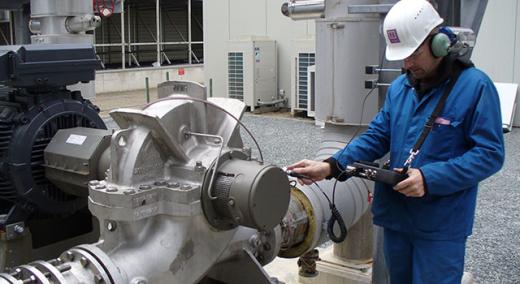
Case Studies: Real-World Impact of Vibration Analysis Success Stories
Across industries, vibration analysis success stories demonstrate how early detection translates to operational and financial benefits. Here are several notable examples:
Paper Mill Avoids Catastrophic Breakdown
A large paper mill faced recurring failures in its main dryer section, causing unplanned shutdowns and significant revenue loss. By installing wireless vibration sensors, the maintenance team identified a developing imbalance in a critical gearbox. The data revealed a misalignment issue that, if left unchecked, could have resulted in catastrophic failure. Addressing the problem during a planned outage not only prevented a major breakdown but also improved the reliability of the entire production line.
For a deeper dive into this sector, see how vibration analysis for paper mills is helping prevent costly breakdowns and streamline maintenance.
Pharmaceutical Plant Ensures Compliance and Uptime
In highly regulated industries like pharmaceuticals, equipment reliability is directly tied to product quality and compliance. One pharmaceutical plant implemented a comprehensive vibration monitoring system on its HVAC and process pumps. The system detected increased vibration levels in a critical air handling unit, signaling a developing bearing fault. By replacing the bearing before failure, the plant avoided a potential shutdown that could have impacted product batches and regulatory compliance.
Energy Sector: Power Plant Maximizes Asset Life
A gas-fired power plant adopted vibration analysis to monitor turbines and auxiliary equipment. Over time, the system flagged a subtle increase in vibration on a generator coupling. Further analysis pinpointed a lubrication issue, allowing the team to correct it before any damage occurred. The result was extended asset life, reduced maintenance costs, and improved plant reliability.
Key Benefits Revealed by Vibration Monitoring Successes
The following advantages consistently emerge from these industry stories:
- Reduced downtime: Early fault detection enables planned maintenance, minimizing unplanned outages.
- Lower repair costs: Addressing issues before failure prevents secondary damage and expensive repairs.
- Enhanced safety: Proactive monitoring reduces the risk of hazardous equipment failures.
- Improved asset longevity: Continuous monitoring extends the useful life of machinery.
- Regulatory compliance: Reliable equipment helps maintain quality standards, especially in regulated industries.

Lessons Learned from Vibration Analysis in Manufacturing
Manufacturing plants often operate with tight margins and high production demands. Vibration analysis has proven to be a game-changer in this environment. One automotive parts supplier, for instance, experienced frequent failures in its conveyor drive motors. By analyzing vibration signatures, the maintenance team identified a recurring pattern linked to improper installation. Training staff on correct installation procedures, combined with ongoing vibration monitoring, eliminated the issue and improved overall equipment effectiveness.
For a comprehensive overview of predictive maintenance strategies, explore the condition monitoring for manufacturing plants guide.
How to Start Your Own Vibration Analysis Journey
Organizations interested in replicating these vibration analysis success stories should consider the following steps:
- Assess critical assets: Identify machines whose failure would have the highest impact on production or safety.
- Choose the right sensors: Select vibration sensors suitable for your equipment and environment.
- Implement data collection: Set up regular or continuous monitoring to capture vibration data.
- Analyze and act: Use software or expert analysis to interpret vibration trends and schedule maintenance accordingly.
- Train your team: Ensure maintenance staff understand how to use vibration data for proactive decision-making.
For more technical insights, see this in-depth overview of vibration analysis technologies and applications.
Frequently Asked Questions
What types of equipment benefit most from vibration monitoring?
Rotating machinery such as motors, pumps, fans, compressors, and turbines are prime candidates for vibration analysis. These assets often develop faults that manifest as changes in vibration patterns, making early detection possible.
How often should vibration data be collected?
The frequency of data collection depends on the criticality of the asset and operating conditions. High-value or high-risk machines may require continuous monitoring, while less critical assets can be checked weekly or monthly.
Can vibration analysis be integrated with other condition monitoring techniques?
Yes, combining vibration analysis with technologies like thermography, oil analysis, and ultrasound provides a more comprehensive view of equipment health and enhances predictive maintenance strategies.
Conclusion
The evidence from these vibration analysis success stories is clear: proactive monitoring leads to fewer failures, lower costs, and safer operations. Whether in manufacturing, energy, or process industries, organizations that invest in vibration monitoring consistently achieve better outcomes. By learning from these real-world examples and applying best practices, any facility can move toward more reliable and efficient operations.