
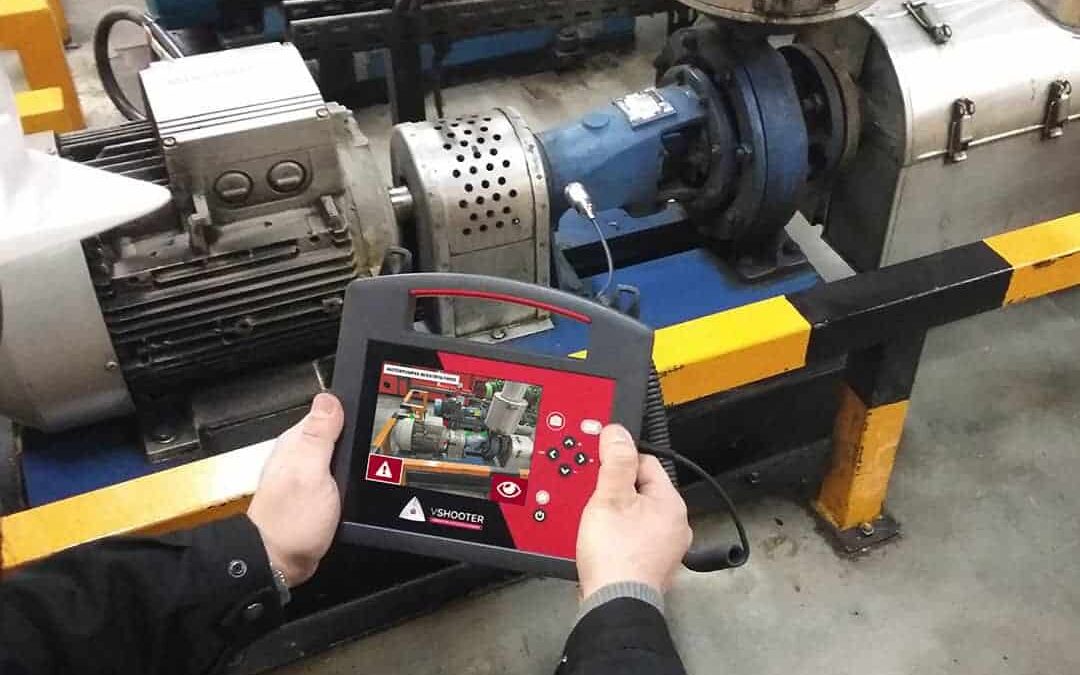
Vibration analysis for heavy machinery is a cornerstone of modern industrial maintenance. As equipment grows more complex and operational demands increase, the need for precise monitoring and early fault detection becomes critical. This guide explores the unique obstacles faced when analyzing vibrations in large-scale assets and details the most effective methods for ensuring machinery health and uptime.
Industries such as mining, steel manufacturing, power generation, and paper production rely heavily on robust equipment. Unexpected breakdowns can lead to costly downtime, safety risks, and expensive repairs. By implementing advanced vibration monitoring, organizations can detect problems early, optimize maintenance schedules, and extend the lifespan of their assets.
For those interested in industry-specific applications, you can learn more about vibration analysis for power plants and how it supports critical asset monitoring.
Why Vibration Monitoring Matters in Industrial Settings
Large-scale machinery is subject to intense operational stresses. Over time, components such as bearings, gears, and shafts can develop faults that manifest as abnormal vibrations. Without proper monitoring, these issues may go unnoticed until a major failure occurs. Vibration analysis for heavy machinery provides a non-invasive way to assess equipment condition and identify potential problems before they escalate.
- Early Fault Detection: Identifies issues like misalignment, imbalance, and looseness before they cause damage.
- Reduced Downtime: Enables planned maintenance, minimizing unplanned outages.
- Cost Savings: Prevents catastrophic failures, reducing repair and replacement costs.
- Safety Improvements: Helps maintain safe working conditions by preventing unexpected breakdowns.
Key Challenges in Vibration Analysis for Large Equipment
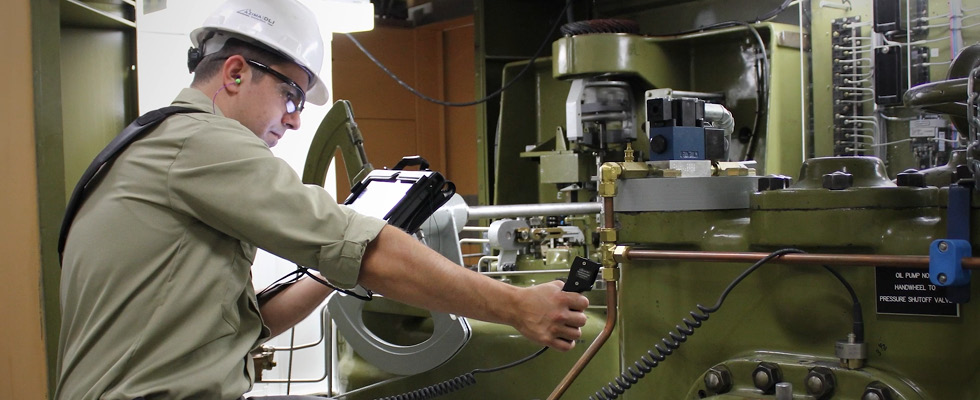
Monitoring and interpreting vibration data from heavy-duty assets is more complex than with smaller machines. Several unique challenges must be addressed to achieve reliable results:
1. Scale and Accessibility
Heavy machinery often operates in harsh or hard-to-reach environments. Installing and maintaining sensors can be difficult, especially on moving or elevated parts. The sheer size of the equipment may require multiple sensors to capture a complete picture of its health.
2. Complex Vibration Patterns
Large machines generate a wide range of vibration frequencies due to their many interconnected components. Distinguishing between normal operational vibrations and those caused by faults requires advanced analysis techniques and a deep understanding of the equipment’s baseline behavior.
3. Environmental Interference
Industrial environments are noisy, both acoustically and vibrationally. External factors such as nearby machinery, structural resonance, and process-related vibrations can interfere with sensor readings, making it challenging to isolate the signals that matter most.
4. Data Volume and Interpretation
Continuous monitoring generates massive amounts of data. Processing, storing, and interpreting this information demands robust data management systems and skilled analysts who can translate raw data into actionable insights.
Techniques and Tools for Effective Vibration Monitoring
To overcome these challenges, organizations employ a range of specialized tools and methodologies. Here are some of the most effective approaches for vibration analysis for heavy machinery:
Sensor Selection and Placement
Choosing the right type of sensor—such as accelerometers, velocity sensors, or displacement probes—is crucial. Placement is equally important; sensors must be installed at locations where faults are most likely to develop, such as bearing housings or gearbox casings.
Frequency Spectrum Analysis
By converting time-domain vibration signals into frequency-domain data using Fast Fourier Transform (FFT), analysts can identify characteristic frequencies associated with specific faults. For example, bearing defects, misalignment, and gear mesh issues each produce distinct spectral signatures.
Envelope Detection
This technique is particularly useful for detecting early-stage bearing faults. Envelope analysis isolates high-frequency signals generated by impacts or defects, revealing problems that might be masked in the overall vibration signal.
Time Waveform Analysis
Examining the raw vibration signal over time helps identify transient events such as impacts, rubs, or looseness. This method complements frequency analysis and provides a more complete understanding of machine behavior.
Trend Monitoring and Alarming
Tracking vibration levels over time allows maintenance teams to spot gradual changes that may indicate developing faults. Automated alarm systems can notify operators when vibration exceeds predefined thresholds, enabling timely intervention.
Integrating Vibration Analysis with Broader Condition Monitoring
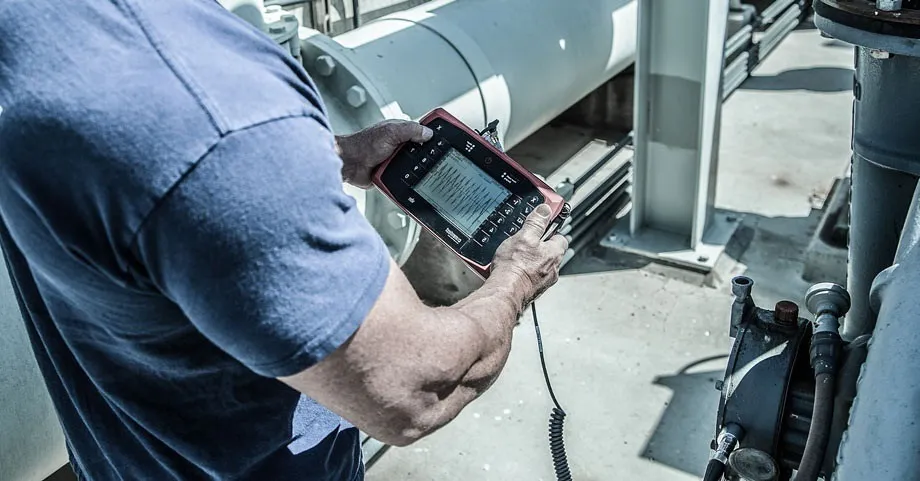
While vibration monitoring is powerful on its own, it becomes even more effective when integrated with other condition monitoring techniques. Combining data from temperature sensors, oil analysis, and acoustic monitoring provides a holistic view of equipment health. This multi-technology approach enhances fault detection and supports predictive maintenance strategies.
For a deeper dive into comprehensive asset monitoring, see our resource on condition monitoring for manufacturing plants.
Industry Applications and Case Examples
Many sectors benefit from advanced vibration diagnostics. In steel manufacturing, for example, continuous monitoring of rolling mills and drive motors prevents unplanned stoppages. Paper mills use vibration data to avoid costly breakdowns in critical rotating equipment. Pharmaceutical plants leverage these techniques to maintain compliance and maximize uptime.
Each industry faces unique operational demands, but the underlying principles of vibration analysis for heavy machinery remain consistent: early detection, data-driven maintenance, and a focus on safety and reliability.
Best Practices for Implementing a Vibration Monitoring Program
- Establish Baseline Measurements: Record vibration levels when equipment is new or recently overhauled to create a reference point for future comparisons.
- Schedule Regular Monitoring: Perform routine checks or set up continuous monitoring for critical assets.
- Train Personnel: Ensure maintenance teams understand how to interpret vibration data and respond to alarms.
- Leverage Expert Analysis: When complex faults are detected, consult with vibration specialists or use advanced diagnostic software.
- Document Findings: Keep detailed records of vibration trends, maintenance actions, and equipment changes to support long-term reliability.
Common Faults Detected Through Vibration Analysis
| Fault Type | Vibration Signature | Potential Impact |
|---|---|---|
| Imbalance | High amplitude at rotational frequency | Increased wear, potential failure |
| Misalignment | Multiple harmonics, axial vibration | Coupling damage, energy loss |
| Bearing Faults | High-frequency spikes, envelope signals | Catastrophic bearing failure |
| Gear Mesh Issues | Sidebands around gear mesh frequency | Gear tooth damage, noise |
| Looseness | Broadband vibration, impacts | Component fatigue, structural damage |
Resources for Further Learning
To understand the underlying science and practical applications, explore this in-depth explanation of how vibration analysis works from industry experts.
Frequently Asked Questions
What are the main benefits of vibration monitoring for heavy equipment?
The key advantages include early detection of mechanical faults, reduced unplanned downtime, lower maintenance costs, and improved safety. By identifying issues such as imbalance or bearing wear before they escalate, organizations can plan maintenance more effectively and avoid costly failures.
How often should vibration measurements be taken on large industrial assets?
The ideal frequency depends on the criticality of the equipment and its operating conditions. For essential assets, continuous online monitoring is recommended. For less critical machines, periodic measurements—weekly or monthly—may be sufficient. Establishing a baseline and monitoring for deviations is crucial.
Can vibration analysis detect all types of faults in heavy machinery?
While vibration monitoring is highly effective for detecting mechanical issues such as imbalance, misalignment, and bearing defects, it may not identify all problems. Integrating it with other condition monitoring methods, such as oil analysis and thermography, provides a more comprehensive view of equipment health.