
Heating, ventilation, and air conditioning (HVAC) systems are essential for maintaining comfortable and safe environments in commercial, industrial, and residential buildings. However, these complex systems are subject to wear and tear, especially in their rotating components such as fans, motors, and compressors. Vibration analysis for HVAC systems has become a critical tool for facility managers and maintenance teams looking to boost reliability, reduce downtime, and extend equipment lifespan.
This guide explores how vibration monitoring works in HVAC applications, the benefits it brings, and practical steps for integrating it into a proactive maintenance strategy. By understanding the fundamentals and best practices, organizations can prevent unexpected failures, optimize performance, and lower operating costs.
For those interested in how vibration diagnostics apply to other industries, consider exploring vibration analysis for textile machinery to see how similar principles keep looms running efficiently.
Understanding Vibration Monitoring in HVAC Equipment
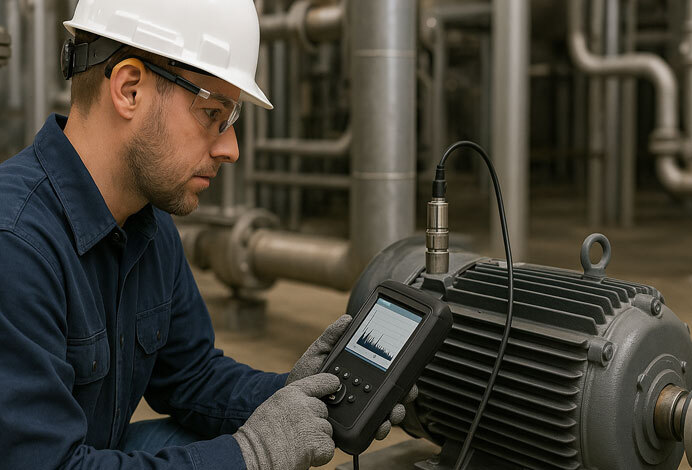
HVAC systems rely on a variety of mechanical components that generate movement and, inevitably, vibration. Over time, excessive or abnormal vibrations can signal underlying issues such as misalignment, imbalance, bearing wear, or looseness. Vibration analysis for HVAC systems involves measuring and interpreting these vibrations to detect problems before they escalate into costly breakdowns.
Technicians use sensors (often accelerometers) to capture vibration data from key points on equipment. This data is then analyzed—either manually or with specialized software—to identify patterns and frequencies that correspond to specific faults. By establishing baseline vibration levels and monitoring changes over time, maintenance teams can spot early warning signs and schedule repairs proactively.
Benefits of Implementing Vibration Analysis for HVAC Systems
Integrating vibration diagnostics into an HVAC maintenance program offers several tangible advantages:
- Early Fault Detection: Identifying issues such as unbalanced fans or failing bearings before they cause system failure.
- Reduced Downtime: Scheduling repairs based on condition rather than waiting for breakdowns minimizes unexpected outages.
- Extended Equipment Life: Addressing minor faults early prevents secondary damage and extends the lifespan of critical components.
- Lower Maintenance Costs: Proactive interventions are typically less expensive than emergency repairs or full replacements.
- Improved Energy Efficiency: Well-maintained equipment operates more efficiently, reducing energy consumption and utility bills.
For organizations aiming to maximize uptime and minimize costs, vibration monitoring is a cornerstone of predictive maintenance strategies. To learn more about how sensor-based approaches are transforming maintenance, see this guide on sensor based predictive maintenance.
Common Causes of Excessive Vibration in HVAC Machinery
Several factors can contribute to abnormal vibration levels in HVAC units. Understanding these root causes helps maintenance teams target their inspections and corrective actions more effectively:
- Imbalance: Uneven distribution of mass in rotating parts like fans or blowers leads to wobbling and increased vibration.
- Misalignment: Shafts and couplings that are not properly aligned transfer excessive forces to bearings and other components.
- Bearing Wear: Deteriorating bearings produce distinctive vibration signatures and, if left unchecked, can cause catastrophic failures.
- Looseness: Loose bolts, mounts, or housings allow components to move excessively, amplifying vibration levels.
- Resonance: When the natural frequency of a component matches the vibration frequency, even small forces can cause large oscillations.
Addressing these issues promptly not only prevents breakdowns but also ensures that HVAC systems operate quietly and efficiently. For more on diagnosing and correcting alignment problems, see alignment issues in rotating machinery.
How Vibration Analysis Is Performed in HVAC Applications
The process of conducting vibration diagnostics in HVAC settings typically involves several steps:
- Sensor Placement: Technicians attach vibration sensors to strategic locations, such as motor bearings, fan housings, and compressor mounts.
- Data Collection: Sensors record vibration signals during normal operation, capturing information on amplitude and frequency.
- Data Analysis: The collected data is analyzed using time-domain and frequency-domain techniques to identify abnormal patterns.
- Fault Diagnosis: By comparing the results to known fault signatures, technicians can pinpoint specific issues like imbalance, misalignment, or bearing defects.
- Reporting and Action: Findings are documented, and recommendations are made for corrective maintenance or further investigation.
Modern systems may use wireless sensors and cloud-based analytics for real-time monitoring and automated alerts. This approach enables continuous condition monitoring and supports data-driven decision-making.
Integrating Vibration Analysis into a Predictive Maintenance Program
To maximize the value of vibration monitoring, it should be integrated into a broader predictive maintenance framework. Here are some best practices:
- Establish Baselines: Record initial vibration levels for all critical equipment to serve as a reference for future comparisons.
- Schedule Regular Measurements: Perform periodic checks or use continuous monitoring for high-priority assets.
- Train Personnel: Ensure maintenance staff are trained in both the use of vibration equipment and the interpretation of results.
- Leverage Analytics: Use software tools to automate data analysis, trend tracking, and fault detection.
- Document Actions: Keep detailed records of findings, repairs, and outcomes to refine maintenance strategies over time.
Combining vibration diagnostics with other condition monitoring techniques—such as thermography or oil analysis—provides a comprehensive view of equipment health. For a broader perspective on how factories use these methods to stay ahead of failures, visit how factories use condition monitoring.
Challenges and Limitations
While vibration analysis is a powerful tool, it is not without challenges. Some limitations include:
- Initial Investment: The cost of sensors, data loggers, and analysis software can be significant, especially for large facilities.
- Data Interpretation: Accurate diagnosis requires expertise; misinterpretation of data can lead to unnecessary maintenance or missed faults.
- Environmental Factors: External vibrations from nearby machinery or building structures can interfere with readings.
- Access Issues: Some components may be difficult to reach for sensor placement without shutting down equipment.
Despite these hurdles, the long-term benefits of improved reliability and reduced downtime often outweigh the initial challenges. For those new to the field, this beginner’s guide to predictive maintenance offers a helpful introduction to vibration monitoring concepts and best practices.
FAQ: Vibration Analysis in HVAC Maintenance
What types of HVAC equipment benefit most from vibration monitoring?
Rotating machinery such as fans, blowers, pumps, and compressors are most susceptible to vibration-related issues. Monitoring these components helps detect faults early and prevent costly breakdowns.
How often should vibration measurements be taken on HVAC systems?
The frequency depends on equipment criticality and operating conditions. High-priority assets may require continuous monitoring, while others can be checked monthly or quarterly as part of routine maintenance.
Can vibration analysis be combined with other predictive maintenance techniques?
Yes, integrating vibration diagnostics with methods like infrared thermography, ultrasonic testing, and oil analysis provides a more complete picture of equipment health and further reduces the risk of unexpected failures.
What are the signs that an HVAC system needs vibration analysis?
Unusual noises, increased energy consumption, frequent bearing or belt replacements, and visible shaking or movement are all indicators that vibration monitoring could help diagnose underlying problems.
Is specialized training required to perform vibration analysis?
While basic measurements can be performed with minimal training, accurate interpretation of vibration data and diagnosis of faults typically require specialized knowledge and experience.
Conclusion
Adopting vibration analysis for HVAC systems is a proactive step toward ensuring reliable, efficient, and long-lasting operation of critical building infrastructure. By detecting faults early, reducing unplanned downtime, and supporting data-driven maintenance decisions, vibration monitoring delivers measurable value for facility managers and building owners alike. As technology continues to advance, integrating these techniques into a comprehensive predictive maintenance strategy will become even more accessible and impactful for organizations of all sizes.