
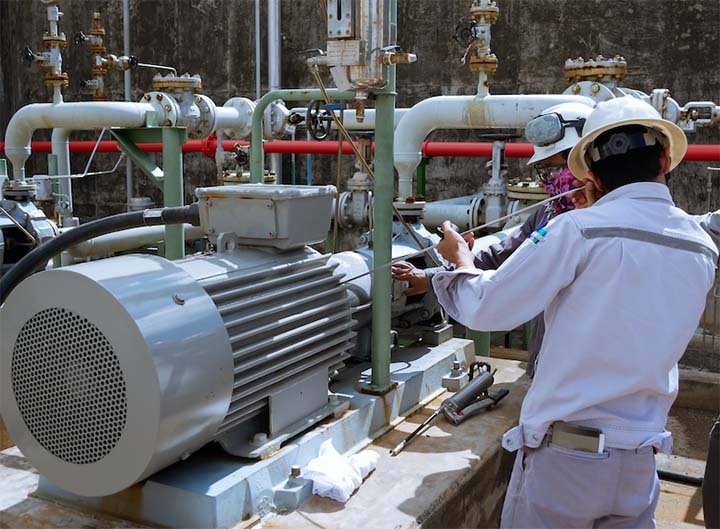
Packaging lines are the backbone of modern manufacturing, ensuring products are efficiently prepared for distribution. However, the high-speed, repetitive motion of these machines makes them susceptible to mechanical issues that can disrupt production and lead to costly downtime. Vibration analysis for packaging machines has emerged as a crucial technique for monitoring equipment health, detecting early signs of wear, and safeguarding the integrity of output lines.
By implementing vibration monitoring, manufacturers can move from reactive to proactive maintenance strategies, minimizing unplanned stoppages and extending the lifespan of critical assets. This guide explores how vibration diagnostics can be applied to packaging machinery, the benefits it delivers, and practical steps for integrating this technology into existing operations.
For those interested in how vibration monitoring is applied in other sectors, see our detailed overview of vibration analysis for power plants to understand its role in maintaining critical assets across industries.
Understanding Vibration Monitoring in Packaging Operations
Packaging machines—ranging from form-fill-seal systems to cartoners and palletizers—operate at high speeds and are subject to continuous mechanical stress. Over time, components such as bearings, gears, and motors can develop faults that manifest as abnormal vibrations. Vibration analysis for packaging machines involves measuring these oscillations using sensors, then interpreting the data to identify potential issues before they escalate.
The process typically includes:
- Attaching accelerometers or wireless vibration sensors to key machine components
- Collecting vibration data during normal operation
- Analyzing frequency, amplitude, and patterns to detect deviations from baseline performance
- Diagnosing the root cause of anomalies, such as misalignment, imbalance, or bearing defects
By continuously monitoring vibration signatures, maintenance teams can schedule repairs at optimal times, reducing unplanned outages and maintaining consistent output quality.
Key Benefits of Vibration Diagnostics for Output Lines
Integrating vibration analysis into packaging environments offers a range of tangible benefits:
- Early Fault Detection: Identifies mechanical issues before they lead to catastrophic failures, allowing for timely intervention.
- Reduced Downtime: Scheduled maintenance based on real data minimizes unexpected stoppages and keeps production on track.
- Cost Savings: Prevents expensive repairs and replacement of major components by addressing minor issues early.
- Extended Equipment Life: Regular monitoring helps maintain optimal operating conditions, reducing wear and extending asset longevity.
- Improved Product Quality: Stable machinery operation ensures consistent packaging, reducing defects and waste.
For industries with strict compliance and uptime requirements, such as pharmaceuticals and food processing, vibration monitoring is especially valuable. If you’re interested in sector-specific insights, explore our resources on vibration analysis for pharmaceutical plants and vibration analysis for food processing equipment.
Common Causes of Vibration in Packaging Machinery
Understanding the root causes of abnormal vibration is essential for effective maintenance. Some of the most frequent issues in packaging lines include:
- Bearing Wear: Bearings are subject to constant load and can develop pitting, spalling, or lubrication failure, all of which increase vibration.
- Imbalance: Rotating components like rollers or motors may become unbalanced due to material buildup or manufacturing defects.
- Misalignment: Shafts and couplings that are not properly aligned cause excessive vibration and accelerate component wear.
- Gearbox Faults: Damaged or worn gears produce distinctive vibration patterns, often at specific frequencies.
- Looseness: Loose bolts, mounts, or structural elements can cause rattling and unpredictable vibration spikes.
By using vibration analysis for packaging machines, maintenance teams can pinpoint these issues with greater accuracy, reducing troubleshooting time and preventing recurring problems.

Implementing Vibration Monitoring on Packaging Lines
Adopting a vibration monitoring program requires careful planning and the right technology. Here are the key steps to get started:
- Identify Critical Assets: Focus on machines that are essential to production or have a history of failures.
- Select Appropriate Sensors: Choose between wired or wireless accelerometers based on machine accessibility and data collection needs.
- Establish Baseline Measurements: Record vibration data from healthy machines to serve as a reference for future comparisons.
- Set Alarm Thresholds: Define acceptable vibration levels and configure alerts for deviations.
- Integrate with Maintenance Systems: Link vibration data to your computerized maintenance management system (CMMS) for streamlined workflows.
- Train Personnel: Ensure maintenance staff can interpret vibration data and respond appropriately to alerts.
For packaging plants with multiple lines or complex machinery, consider starting with a pilot program on a single line before scaling up across the facility.
Comparing Vibration Analysis Tools and Techniques
There are several approaches to vibration analysis in packaging environments, each with its own advantages:
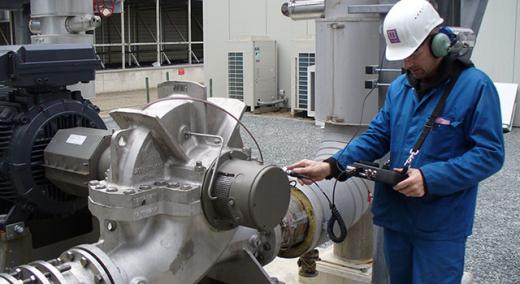
- Portable Analyzers: Handheld devices allow technicians to collect data during routine inspections, ideal for smaller operations.
- Online Monitoring Systems: Permanently installed sensors provide continuous, real-time data and automated alerts, suitable for high-value assets.
- Wireless Solutions: Wireless vibration sensors are easy to deploy and can be integrated with cloud-based analytics platforms for remote monitoring.
The choice of technology depends on factors such as budget, machine criticality, and the scale of operations. For a deeper dive into the principles and applications of vibration diagnostics, refer to this comprehensive overview of vibration analysis methods.
Integrating Vibration Analysis with Predictive Maintenance
The ultimate goal of vibration monitoring is to enable predictive maintenance—addressing issues before they result in failure. By combining vibration data with other condition monitoring techniques (such as temperature or acoustic analysis), packaging facilities can build a robust predictive maintenance program that:
- Reduces emergency repairs and overtime costs
- Improves production scheduling and resource allocation
- Enhances workplace safety by minimizing unexpected breakdowns
- Supports continuous improvement initiatives
Facilities that have adopted predictive maintenance often report significant improvements in equipment reliability and overall equipment effectiveness (OEE).
Best Practices for Reliable Output Lines
To maximize the benefits of vibration analysis for packaging machines, consider these best practices:
- Regularly review and update baseline vibration profiles as equipment ages or is modified
- Combine vibration data with visual inspections and operator feedback for a holistic view of machine health
- Document all findings and corrective actions to build a knowledge base for future troubleshooting
- Engage with equipment manufacturers for guidance on sensor placement and alarm thresholds
- Stay informed about advances in sensor technology and data analytics to enhance monitoring capabilities
For additional perspectives on condition monitoring in related industries, explore our articles on vibration analysis for paper mills and vibration analysis for textile machinery.
FAQ
What types of packaging machines benefit most from vibration monitoring?
Any high-speed or high-value packaging equipment—such as form-fill-seal machines, case packers, and palletizers—can benefit from vibration diagnostics. These systems often operate continuously and are critical to maintaining production flow, making early fault detection especially important.
How often should vibration data be collected on packaging lines?
The frequency of data collection depends on the criticality of the machine and the chosen monitoring approach. For continuous online systems, data is gathered in real time. For portable or periodic checks, weekly or monthly intervals are common. Establishing a baseline and monitoring for changes is key.
Can vibration analysis prevent all types of machine failures?
While vibration monitoring is highly effective at detecting many mechanical issues, it should be used alongside other condition monitoring techniques, such as thermal imaging and oil analysis, for comprehensive asset protection. Not all failures produce detectable vibration changes, so a multi-faceted approach is best.