

In food manufacturing and processing, minimizing waste and maximizing output are constant challenges. Predictive tools for calculating yield loss have become essential for producers aiming to improve efficiency, reduce costs, and maintain product quality. These advanced solutions leverage data analytics, machine learning, and sensor technologies to anticipate where losses might occur and suggest actionable steps to prevent them.
Yield loss can result from a range of factors, including equipment malfunctions, process inefficiencies, raw material variability, and human error. By using predictive analytics, facilities can identify patterns and intervene before minor issues escalate into significant losses. This article explores how these technologies work, their benefits, and practical steps for implementation.
For those interested in the technical side of process monitoring, understanding how to analyze sensor drift in food manufacturing can further enhance the accuracy of predictive systems and help maintain consistent yield calculations.
Understanding Yield Loss and Its Impact
Yield loss refers to the difference between the theoretical maximum output and the actual product obtained after processing. In food production, even small percentage losses can translate into substantial financial impacts over time. These losses can be caused by:
- Raw material inconsistencies
- Equipment wear and tear
- Process deviations
- Operator errors
- Environmental factors
By quantifying and understanding these losses, manufacturers can prioritize improvements and allocate resources more effectively.
How Predictive Analytics Tools Work in Yield Management
Modern predictive tools for calculating yield loss integrate data from multiple sources, such as sensors, production logs, and quality control checks. These systems use algorithms to analyze historical and real-time data, identifying trends and anomalies that could indicate potential yield issues.
Key components of these systems include:
- Data Collection: Sensors and IoT devices capture information on temperature, humidity, machine performance, and product characteristics.
- Data Integration: Centralized platforms aggregate data from various stages of production for holistic analysis.
- Predictive Modeling: Machine learning models forecast potential losses based on historical patterns and current process conditions.
- Alerts and Recommendations: The system notifies operators of deviations and suggests corrective actions to prevent or reduce losses.
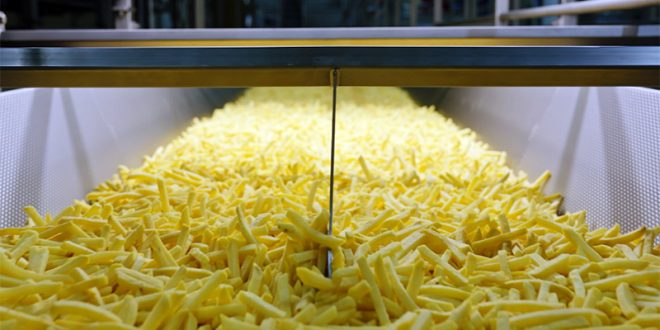
By continuously monitoring and analyzing production data, these tools enable proactive decision-making rather than reactive troubleshooting.
Benefits of Using Predictive Solutions for Yield Optimization
Implementing predictive analytics in yield management offers several tangible benefits:
- Reduced Waste: Early detection of process deviations helps minimize scrap and rework.
- Improved Efficiency: Automated alerts and recommendations streamline operations and reduce downtime.
- Cost Savings: Lower material and energy waste translate directly into financial gains.
- Consistent Quality: Predictive tools help maintain product specifications, reducing variability and customer complaints.
- Data-Driven Decisions: Managers gain actionable insights for continuous improvement initiatives.
For example, integrating predictive logic into pasteurization or slicing processes can further enhance output, as discussed in resources like ways to optimize pasteurization using predictive logic and how to interpret data from meat slicer sensors.
Key Features to Look for in Predictive Yield Loss Tools
Selecting the right solution is critical for maximizing value. When evaluating predictive analytics platforms for yield management, consider the following features:
- Real-Time Monitoring: Immediate feedback on process performance and yield metrics.
- Customizable Dashboards: Visualizations tailored to specific roles and production lines.
- Integration Capabilities: Compatibility with existing MES, ERP, and sensor networks.
- Scalability: Ability to expand across multiple facilities or product lines.
- Automated Reporting: Scheduled and on-demand reports for compliance and management review.
- Predictive Maintenance: Some platforms also offer equipment health monitoring, further reducing unplanned downtime. For more on this, see this guide to starting a predictive maintenance program in food production.
Implementing Predictive Yield Loss Solutions in Food Manufacturing
Rolling out predictive analytics for yield optimization involves several practical steps:
- Assess Current Processes: Map out production flows and identify key loss points.
- Deploy Sensors and Data Infrastructure: Install IoT devices and ensure reliable data collection.
- Integrate Data Sources: Connect production, quality, and maintenance data into a unified platform.
- Train Staff: Educate operators and managers on interpreting analytics and responding to alerts.
- Monitor and Refine: Continuously review system outputs and adjust models as needed for accuracy.
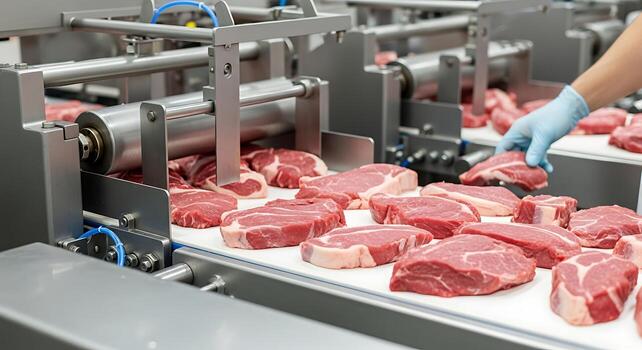
Facilities that invest in robust predictive systems often see rapid returns through reduced waste and more stable production outcomes.
Challenges and Considerations in Adopting Predictive Analytics
While the advantages are clear, implementing predictive yield loss solutions is not without challenges:
- Data Quality: Inaccurate or incomplete data can undermine model reliability.
- Change Management: Staff may need support to adapt to new workflows and technologies.
- Integration Complexity: Connecting legacy systems with modern analytics platforms can require significant IT resources.
- Cost: Initial investments in hardware, software, and training must be justified by long-term savings.
To address these issues, it’s important to start with pilot projects, measure results, and scale up gradually. Collaboration between IT, production, and quality teams is also essential for success.
Future Trends in Predictive Yield Loss Management
The landscape of yield optimization is rapidly evolving. Advances in artificial intelligence, edge computing, and wireless sensor networks are making predictive analytics more accessible and powerful. For example, the role of LoRaWAN sensors in large food facilities is expanding, enabling real-time monitoring even in challenging environments.
As these technologies mature, expect to see greater automation, improved accuracy, and more seamless integration with enterprise systems. The ultimate goal is a self-optimizing production environment where yield loss is continuously minimized with minimal manual intervention.
Frequently Asked Questions
What types of data are most important for predictive yield loss analysis?
Critical data sources include sensor readings (temperature, humidity, weight), equipment performance logs, production throughput, quality control results, and maintenance records. The more comprehensive and accurate the data, the better the predictive models will perform.
How quickly can manufacturers see results from predictive yield loss tools?
Many facilities notice improvements within a few months of implementation, especially if they start with a focused pilot project. The speed of results depends on data quality, staff engagement, and the complexity of the production process.
Can predictive analytics be integrated with existing manufacturing systems?
Yes, most modern predictive platforms are designed to integrate with MES, ERP, and SCADA systems. However, integration may require custom development or middleware, especially in facilities with older equipment or disparate data sources.
In summary, leveraging predictive tools for calculating yield loss empowers food manufacturers to proactively address inefficiencies, reduce waste, and boost profitability. As the industry continues to embrace digital transformation, these solutions will play an increasingly central role in sustainable and competitive operations.