
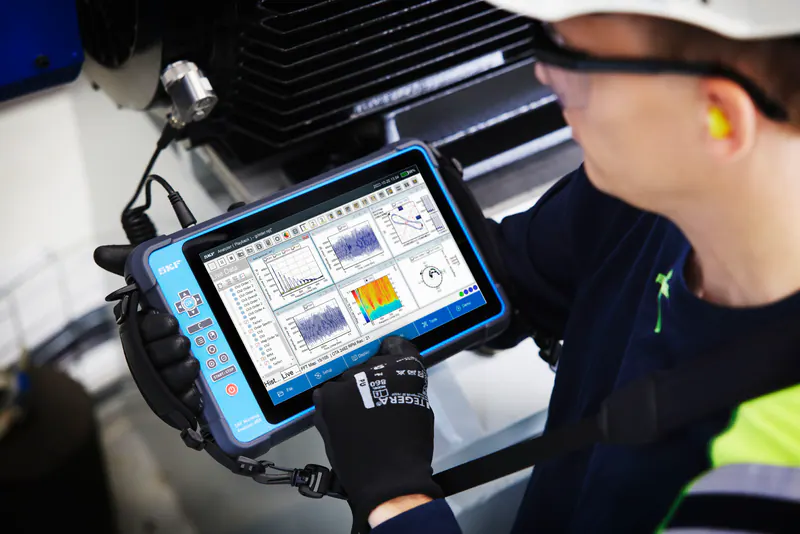
In today’s competitive manufacturing landscape, minimizing unexpected equipment breakdowns is critical for maintaining productivity, safety, and profitability. Condition monitoring has emerged as a powerful strategy for factories seeking to anticipate and prevent failures before they escalate into costly downtime. By continuously assessing the health of machinery, production lines can operate more efficiently and with fewer interruptions.
This article explores the practical ways manufacturing facilities leverage modern monitoring technologies to detect early warning signs, optimize maintenance schedules, and improve overall equipment effectiveness. For those interested in related strategies, you may also want to read about ways to reduce downtime in candy manufacturing, which highlights additional approaches to keeping production lines running smoothly.
Understanding Condition Monitoring in Industrial Settings
Condition monitoring refers to the systematic tracking of machinery and equipment performance using sensors, data analytics, and diagnostic tools. The goal is to identify subtle changes in operating conditions—such as vibration, temperature, or noise—that may signal wear, misalignment, or impending failure. By catching these signs early, maintenance teams can intervene proactively, reducing the risk of unexpected stoppages.
In manufacturing, this approach is particularly valuable for critical assets like motors, pumps, conveyors, and gearboxes. Instead of relying solely on scheduled maintenance or waiting for breakdowns, factories can use real-time data to make informed decisions about when and how to service equipment.
Key Technologies Used for Monitoring Equipment Health
Modern factories employ a range of technologies to monitor the condition of their assets. Some of the most common tools include:
- Vibration analysis: Detects imbalances, misalignments, or bearing issues by analyzing the vibration patterns of rotating machinery.
- Thermal imaging: Identifies overheating components or electrical faults by capturing temperature variations.
- Ultrasound testing: Finds leaks, electrical discharges, or lubrication problems through high-frequency sound detection.
- Oil analysis: Examines lubricant samples for contaminants or wear particles, providing insight into internal machine conditions.
- Remote sensors and IoT devices: Continuously collect and transmit data on various parameters, enabling real-time monitoring and alerts.
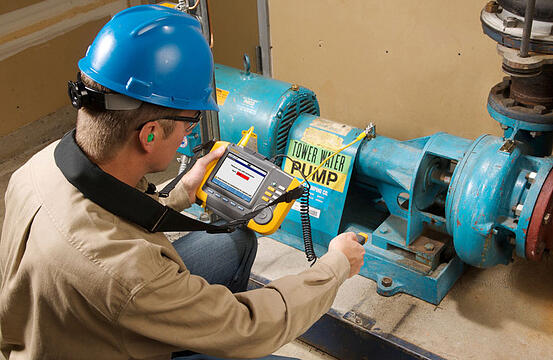
Benefits of Proactive Condition-Based Maintenance
Adopting a proactive approach to equipment health offers several advantages for manufacturers:
- Reduced unplanned downtime: Early detection of issues allows for timely repairs, minimizing costly production stoppages.
- Extended asset lifespan: Addressing minor problems before they escalate helps preserve equipment and delay major replacements.
- Optimized maintenance costs: Maintenance activities are performed only when necessary, reducing unnecessary labor and parts usage.
- Improved safety: Identifying hazardous conditions in advance lowers the risk of accidents and injuries.
- Enhanced product quality: Well-maintained machines produce more consistent and reliable output.
For example, in the food processing industry, predictive maintenance tools are also used to improve outcomes such as predictive tools for egg shell integrity, demonstrating the versatility of these technologies across sectors.
How Factories Implement Condition Monitoring Programs
Launching an effective monitoring program requires careful planning and the right mix of technology, processes, and skilled personnel. Here are the typical steps involved:
- Asset selection: Identify which machines are most critical to production and would benefit most from continuous monitoring.
- Sensor installation: Equip selected assets with appropriate sensors to measure key parameters like vibration, temperature, or oil quality.
- Data collection and integration: Use data acquisition systems or IoT platforms to gather and centralize information for analysis.
- Analysis and diagnostics: Apply algorithms or expert review to interpret data, detect anomalies, and predict potential failures.
- Maintenance response: Develop workflows for responding to alerts, scheduling inspections, and documenting interventions.
Common Challenges and Solutions in Monitoring Programs
While the benefits are clear, implementing a robust monitoring system can present challenges:
- Data overload: Large volumes of sensor data can be overwhelming. Using advanced analytics and dashboards helps maintenance teams focus on actionable insights.
- Integration with legacy equipment: Not all machines are designed for modern sensors. Retrofitting or using portable monitoring devices can bridge this gap.
- Training and expertise: Interpreting diagnostic data requires specialized knowledge. Ongoing training and collaboration with experienced vendors can build in-house capabilities.
- Cost considerations: Upfront investment in sensors and software may be significant, but the long-term savings from reduced downtime and repairs often justify the expense.
For a deeper look at specific monitoring techniques, especially vibration analysis, you can refer to this comprehensive guide to vibration analysis in industrial maintenance.
Industry Applications and Success Stories
Factories across various sectors have successfully adopted monitoring to achieve measurable improvements. In automotive manufacturing, real-time monitoring of robotic arms and conveyor systems has led to fewer unexpected halts and higher throughput. Food processors use similar tools to ensure consistent product quality and compliance with safety standards. For example, monitoring steam quality is essential in sterilization processes, as discussed in the article on how to monitor steam quality in food sterilization.
In electronics, early detection of overheating or electrical faults prevents damage to sensitive components. Even in traditional sectors like textiles or paper production, predictive maintenance is helping to modernize operations and reduce waste.
Integrating Condition Monitoring with Digital Transformation
As factories embrace Industry 4.0, integrating monitoring systems with broader digital platforms unlocks even greater value. Data from sensors can feed into enterprise resource planning (ERP) systems, supporting smarter inventory management and production planning. Machine learning algorithms can identify patterns and optimize maintenance schedules automatically.
Some facilities are also using machine vision and AI-driven inspection tools to complement traditional monitoring. For example, advanced vision systems can analyze pizza topping distribution or detect subtle defects on production lines, as outlined in the article on how to use machine vision for pizza topping distribution.
Best Practices for a Successful Monitoring Strategy
To maximize the benefits of monitoring, factories should:
- Start with a pilot project on a critical asset before scaling up.
- Regularly review and update monitoring parameters as equipment ages or processes change.
- Combine multiple monitoring techniques (vibration, thermal, oil analysis) for a comprehensive view.
- Invest in staff training to ensure data is interpreted correctly and acted upon promptly.
- Continuously measure the impact of monitoring on downtime, maintenance costs, and product quality.
FAQ: Condition Monitoring in Manufacturing
What types of equipment benefit most from monitoring?
Rotating machinery like motors, pumps, fans, and gearboxes are prime candidates, but any critical asset whose failure would disrupt production can benefit from continuous health checks.
How does monitoring differ from traditional preventive maintenance?
Traditional preventive maintenance relies on fixed schedules, while monitoring uses real-time data to determine exactly when service is needed, making interventions more targeted and efficient.
Is it possible to implement monitoring on older machines?
Yes, many factories retrofit legacy equipment with portable sensors or wireless devices, allowing them to gain the benefits of predictive maintenance without full equipment replacement.
Can monitoring help reduce energy consumption?
Absolutely. By identifying inefficiencies such as misalignments or worn components, factories can optimize machine performance and lower energy usage.
Where can I learn more about predictive maintenance tools?
Explore related resources on this site, such as how to use predictive tools for poultry processing, for more practical insights into modern maintenance strategies.