
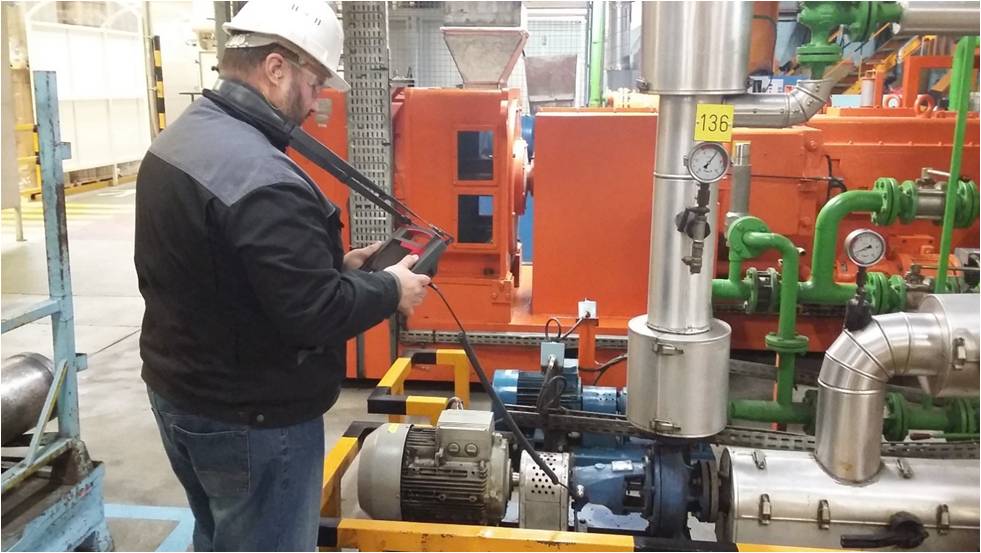
Vibration analysis for power plants has become an essential practice for ensuring the reliability, efficiency, and safety of critical equipment. As power generation facilities operate under demanding conditions, machinery such as turbines, generators, pumps, and fans are constantly exposed to mechanical stress and wear. Early detection of faults through vibration monitoring helps prevent unexpected breakdowns, reduces maintenance costs, and extends the lifespan of valuable assets.
In this article, we’ll explore the fundamentals of vibration monitoring in power generation, its importance for asset management, and practical strategies for implementing effective condition-based maintenance. We’ll also highlight how modern techniques and tools are transforming predictive maintenance, and provide answers to common questions about this vital topic.
For those interested in predictive maintenance in other industries, you may also find value in our guide on ways to reduce downtime in candy manufacturing.
Understanding the Role of Vibration Monitoring in Power Generation
Power plants rely on a wide array of rotating machinery and critical assets. Over time, these machines can develop imbalances, misalignments, looseness, or bearing faults that manifest as abnormal vibrations. By continuously measuring and analyzing vibration signals, maintenance teams can detect early signs of mechanical issues before they escalate into costly failures.
Vibration analysis involves the use of sensors (typically accelerometers) mounted on equipment to capture vibration data. This data is then processed and interpreted to identify patterns associated with specific faults. The insights gained allow for targeted interventions, minimizing unplanned outages and optimizing maintenance schedules.

Why Vibration Analysis Is Critical for Asset Reliability
The consequences of undetected faults in power plant machinery can be severe. Equipment failures may lead to production losses, expensive repairs, safety hazards, and even regulatory penalties. By implementing a robust vibration analysis program, power plants can achieve several key benefits:
- Early Fault Detection: Identifies problems such as imbalance, misalignment, bearing defects, and gear issues before they cause major damage.
- Reduced Downtime: Enables planned maintenance, minimizing unexpected shutdowns and production losses.
- Lower Maintenance Costs: Prevents catastrophic failures that require costly repairs or replacements.
- Improved Safety: Reduces the risk of accidents caused by mechanical breakdowns.
- Extended Equipment Life: Supports proactive maintenance, helping assets operate efficiently for longer periods.
Integrating vibration monitoring with other predictive maintenance tools can further enhance asset management strategies. For example, using predictive tools for egg shell integrity in the food industry demonstrates the versatility of condition monitoring across sectors.
Key Components of a Vibration Analysis Program
An effective vibration monitoring initiative in a power plant involves several essential components:
- Sensor Selection and Placement: Choosing the right type of vibration sensors and installing them at critical points on machinery ensures accurate data collection.
- Data Acquisition Systems: Modern systems can collect, store, and transmit large volumes of vibration data for real-time or periodic analysis.
- Data Analysis Software: Advanced algorithms and diagnostic tools help interpret vibration patterns and pinpoint the root causes of anomalies.
- Expert Interpretation: Skilled analysts review the results, validate findings, and recommend corrective actions.
- Integration with Maintenance Planning: Insights from vibration monitoring should feed directly into maintenance scheduling and asset management systems.
For a deeper dive into the technical aspects and best practices, consider reviewing this comprehensive overview of vibration analysis methodologies.
Common Faults Detected by Vibration Monitoring in Power Plants
Vibration analysis is particularly effective at identifying a range of mechanical issues that can compromise the performance of power plant equipment. Some of the most common faults detected include:
- Imbalance: Uneven mass distribution in rotating parts, leading to excessive vibration and wear.
- Misalignment: Incorrect alignment between coupled shafts or components, causing stress and premature failure.
- Bearing Defects: Wear, pitting, or spalling in rolling element bearings, often detected by characteristic vibration frequencies.
- Looseness: Loose bolts, mounts, or structural components, resulting in irregular vibration patterns.
- Gear Faults: Tooth wear, breakage, or misalignment in gearboxes, identified through specific vibration signatures.
Early detection of these issues allows maintenance teams to intervene before minor problems escalate, ensuring continuous and safe operation of the plant.
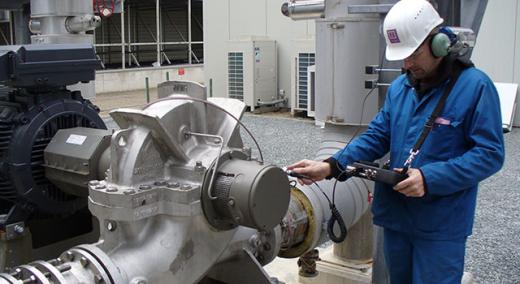
Implementing Predictive Maintenance in Power Generation
Predictive maintenance leverages data from vibration monitoring and other condition-based techniques to forecast equipment failures and optimize maintenance activities. By moving away from traditional time-based maintenance, power plants can focus resources where they are needed most, reducing unnecessary interventions and maximizing asset availability.
Key steps for implementing predictive maintenance include:
- Establishing baseline vibration levels for all critical assets
- Setting alarm thresholds for abnormal vibration patterns
- Regularly reviewing and updating diagnostic algorithms
- Training staff in data interpretation and response protocols
- Integrating monitoring systems with enterprise asset management platforms
This proactive approach is similar to how predictive tools for poultry processing are used in other industries to drive efficiency and reliability.
Best Practices for Successful Vibration Monitoring Programs
To maximize the benefits of vibration analysis in power generation, consider the following best practices:
- Start with Critical Assets: Focus initial efforts on high-value, high-risk equipment such as turbines, generators, and main pumps.
- Ensure Data Quality: Regularly calibrate sensors and validate data to avoid false alarms or missed detections.
- Automate Where Possible: Use automated data collection and analysis tools to reduce manual workload and improve consistency.
- Collaborate Across Teams: Involve maintenance, operations, and engineering teams in program design and execution.
- Continuously Improve: Use feedback from incidents and maintenance outcomes to refine monitoring strategies.
Adopting these practices helps build a culture of reliability and continuous improvement within the plant.
FAQ: Vibration Analysis and Asset Monitoring in Power Plants
What types of equipment benefit most from vibration monitoring?
Rotating machinery such as turbines, generators, pumps, fans, compressors, and gearboxes are most commonly monitored. These assets are critical to plant operation and are prone to faults that can be detected through vibration analysis.
How often should vibration data be collected and analyzed?
The frequency depends on the criticality of the asset and operating conditions. For high-value equipment, continuous online monitoring is recommended. For less critical assets, periodic (weekly or monthly) measurements may be sufficient.
Can vibration analysis be combined with other predictive maintenance tools?
Yes, integrating vibration monitoring with technologies like infrared thermography, oil analysis, and ultrasonic testing provides a more comprehensive view of asset health and improves fault detection accuracy.
How does vibration analysis help reduce maintenance costs?
By identifying issues early, maintenance can be scheduled proactively, preventing expensive emergency repairs and minimizing downtime. This targeted approach reduces unnecessary part replacements and labor costs.
Is vibration monitoring suitable for all types of power plants?
Vibration analysis is applicable to fossil fuel, nuclear, hydroelectric, and renewable energy plants. Any facility with rotating or reciprocating machinery can benefit from this technology.
For further reading on related topics in process industries, you may be interested in our article on how to monitor steam quality in food sterilization.