
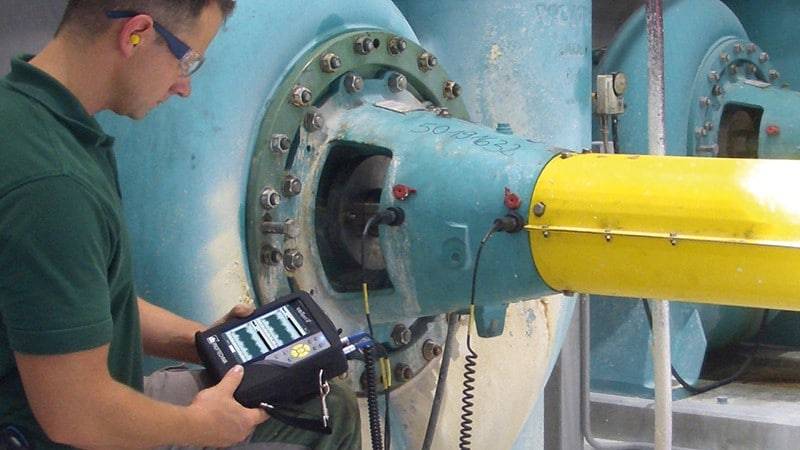
Vibration analysis for beginners is an essential topic for anyone interested in understanding how machines operate and how to keep them running smoothly. Whether you are a maintenance technician, an engineer, or simply curious about predictive maintenance, learning the basics of vibration monitoring can help you detect issues early, prevent costly breakdowns, and extend equipment life. This guide covers the fundamentals, key benefits, common tools, and practical tips to get started with vibration monitoring.
If you work in industries like manufacturing, power generation, or pharmaceuticals, you may already know that unplanned downtime can be expensive and disruptive. By learning how to interpret vibration data, you can spot early warning signs of mechanical problems such as misalignment, imbalance, or bearing failures. For those looking to deepen their understanding or apply these concepts in specific sectors, resources like vibration analysis for power plants can offer more targeted insights.
Understanding the Basics of Vibration Monitoring
At its core, vibration analysis involves measuring the oscillations of machinery components as they move. Every rotating or reciprocating machine produces vibrations, but excessive or unusual patterns often signal underlying problems. By tracking these patterns, technicians can identify issues before they escalate.
Vibration is typically measured in terms of amplitude (how strong the vibration is), frequency (how often it occurs), and phase (the timing of the vibration relative to machine rotation). These measurements help pinpoint the source and severity of mechanical issues.
Why Vibration Analysis Matters in Maintenance
Predictive maintenance strategies rely heavily on vibration monitoring because it offers several advantages:
- Early Fault Detection: Identifies problems such as imbalance, misalignment, or looseness before they cause failures.
- Reduced Downtime: Allows for planned maintenance, minimizing unexpected outages.
- Cost Savings: Prevents catastrophic failures and extends equipment lifespan.
- Improved Safety: Reduces the risk of accidents caused by undetected mechanical faults.
Industries ranging from steel manufacturing to pharmaceuticals benefit from these advantages. For example, vibration analysis for steel manufacturing helps monitor heavy assets, while similar techniques are used in paper mills and textile machinery.
Key Concepts for Those New to Vibration Analysis
For those just starting out, it’s important to grasp a few fundamental concepts:
- Amplitude: Indicates the strength of the vibration. High amplitudes often signal severe problems.
- Frequency: Helps identify the type of fault. For example, a vibration at shaft rotation speed may indicate imbalance, while higher frequencies could point to bearing issues.
- Waveform and Spectrum: A waveform shows vibration over time, while a spectrum breaks it down by frequency. Both are crucial for diagnosing issues.
- Trending: Monitoring changes in vibration over time helps spot developing issues before they become critical.
Understanding these basics is the first step toward effective condition monitoring and maintenance planning.
Common Tools and Equipment Used in Vibration Monitoring
Several tools are available to help beginners collect and interpret vibration data:
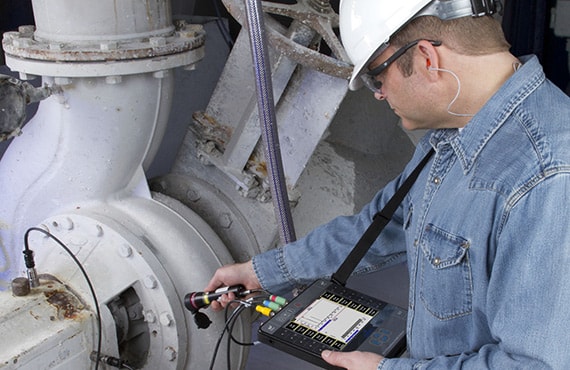
- Accelerometers: Sensors that attach to machinery and measure vibration levels.
- Data Collectors: Portable devices that gather and store vibration data for analysis.
- Analyzers: Software or hardware tools that process vibration signals and display results in user-friendly formats.
- Online Monitoring Systems: Permanently installed systems for continuous monitoring of critical assets.
Choosing the right tool depends on the complexity of the machinery, the criticality of the asset, and the available budget. Beginners are often advised to start with handheld data collectors and gradually move to more advanced systems as their skills develop.
How to Get Started with Vibration Analysis for Beginners
If you’re new to this field, follow these steps to build a strong foundation:
- Learn the Theory: Study the principles of vibration, machine dynamics, and fault detection. Many online courses and books are available for self-study.
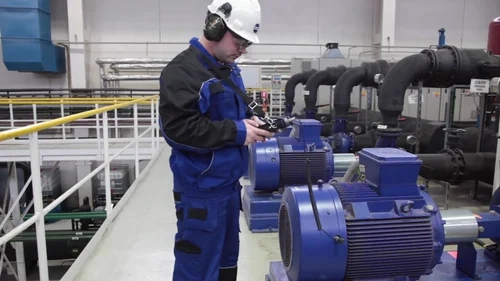
- Get Hands-On Experience: Practice using vibration meters and data collectors on real equipment. Start with simple machines and gradually tackle more complex assets.
- Analyze Real Data: Review vibration spectra and waveforms to identify patterns associated with common faults.
- Use Reference Materials: Leverage guides such as this complete guide to vibration analysis for deeper insights and troubleshooting tips.
- Join Professional Networks: Participate in industry forums and training sessions to learn from experienced practitioners.
As you gain experience, you’ll become more confident in diagnosing issues and recommending corrective actions.
Typical Applications and Industry Examples
Vibration monitoring is widely used across various sectors, including:
- Power Generation: Ensures reliability of turbines, generators, and pumps.
- Manufacturing: Monitors motors, conveyors, and rotating machinery to prevent breakdowns.
- Pharmaceuticals: Maintains compliance and uptime by monitoring sensitive production equipment. For more, see vibration analysis for pharmaceutical plants.
- Textile Industry: Keeps looms and spinning machines running efficiently. Learn more about vibration analysis for textile machinery.
- Pulp and Paper: Prevents costly breakdowns in paper mills. See vibration analysis for paper mills for industry-specific guidance.
Each industry adapts vibration monitoring techniques to suit its unique challenges and equipment types.
Common Challenges and Tips for Beginners
While the benefits are clear, newcomers often face a few hurdles:
- Interpreting Data: Understanding vibration spectra and distinguishing between normal and abnormal patterns takes practice.
- Sensor Placement: Incorrect placement can lead to misleading results. Always follow manufacturer guidelines for sensor installation.
- Data Overload: Too much information can be overwhelming. Focus on key indicators and trends relevant to your equipment.
- Training: Invest in formal training or mentorship to accelerate your learning curve.
By starting with simple machines and gradually expanding your knowledge, you can overcome these challenges and become proficient in vibration monitoring.
FAQ: Vibration Analysis for New Users
What is the main purpose of vibration analysis?
The primary goal is to detect mechanical issues in rotating or reciprocating equipment before they lead to failures. By monitoring vibration patterns, maintenance teams can plan repairs, reduce downtime, and extend the life of machinery.
Which machines benefit most from vibration monitoring?
Equipment with moving parts—such as motors, pumps, fans, compressors, and turbines—benefit the most. These machines are prone to faults like imbalance, misalignment, and bearing wear, all of which can be detected early through vibration monitoring.
How often should vibration measurements be taken?
The frequency depends on the criticality of the equipment and operational conditions. For critical assets, continuous monitoring is ideal. For less critical machines, monthly or quarterly checks may be sufficient. Always follow manufacturer recommendations and industry best practices.
Do I need specialized training to start with vibration analysis?
While basic measurements can be performed with minimal training, interpreting data and diagnosing faults requires more in-depth knowledge. Many organizations offer courses and certifications to help beginners build expertise.
Getting started with vibration analysis for beginners is a practical step toward more reliable and efficient operations. By learning the basics, choosing the right tools, and applying best practices, you can help your organization prevent failures and optimize maintenance strategies.