

Unexpected vibration in industrial equipment can lead to costly downtime, reduced efficiency, and even catastrophic failures. Understanding the underlying reasons behind these vibrations is essential for maintaining reliability and safety. Root cause analysis for machine vibration is a systematic approach that helps maintenance teams identify, diagnose, and resolve vibration issues at their source, rather than just treating symptoms.
This article provides a practical, step-by-step overview of how to investigate and address vibration problems in rotating machinery and other assets. Whether you work in manufacturing, energy, or process industries, mastering these techniques can significantly improve asset health and operational uptime.
For those working in specialized sectors, such as power generation, targeted resources like vibration analysis for power plants offer deeper insight into monitoring critical assets and preventing failures.
Why Machine Vibration Matters
Excessive or abnormal vibration is often a sign that something is wrong within a machine. It can indicate misalignment, imbalance, looseness, bearing defects, or other mechanical issues. If left unchecked, these problems can escalate, resulting in unscheduled shutdowns, expensive repairs, or even safety hazards.
By performing a thorough investigation, maintenance teams can pinpoint the source of vibration and implement corrective actions that address the true cause, not just the symptoms. This proactive approach extends equipment life, reduces maintenance costs, and improves overall plant reliability.
Key Steps in Root Cause Analysis for Machine Vibration
Effective troubleshooting of vibration issues involves a structured process. Below are the essential steps to follow:
1. Define and Document the Problem
Start by gathering all available information about the vibration event. Document when the issue started, which machines are affected, the operating conditions, and any recent changes in process or maintenance activities. Use vibration logs, operator reports, and maintenance records to build a clear picture of the problem.
2. Collect Vibration Data
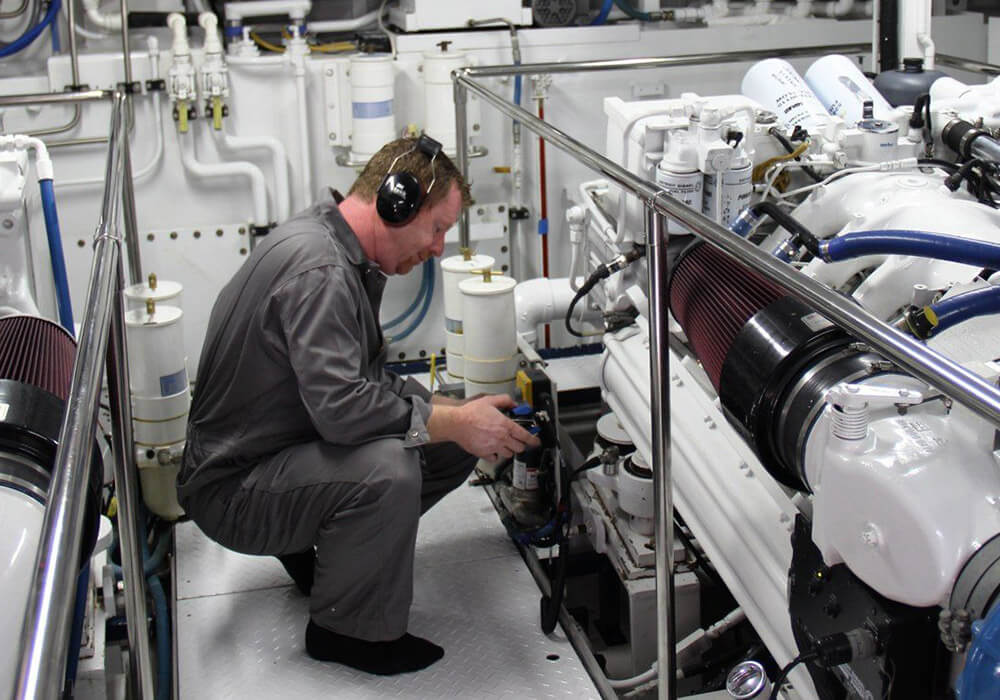
Accurate data collection is fundamental to any root cause analysis for machine vibration. Use portable vibration analyzers or permanently installed sensors to measure vibration levels at key points on the machine. Record data such as amplitude, frequency, and direction of vibration under different operating conditions.
Modern condition monitoring systems can provide continuous data, enabling early detection of abnormal trends. For a broader overview of these techniques, see condition monitoring for manufacturing plants.
3. Analyze the Data
Once vibration data is collected, analyze it to identify patterns and characteristics. Look for:
- Frequency analysis: Determine if the vibration matches the running speed of the machine, a multiple of the speed, or another frequency. This can point to specific faults such as imbalance (1x RPM), misalignment (2x RPM), or bearing defects (high-frequency components).
- Amplitude trends: Is the vibration constant, increasing, or intermittent? Sudden increases may indicate a developing fault.
- Location: Compare readings at different points (e.g., drive end vs. non-drive end) to narrow down the source.
Advanced software can assist with spectrum analysis and trending, making it easier to interpret complex data sets.
4. Identify Possible Causes
Based on the analysis, generate a list of potential causes. Common sources of machine vibration include:
- Rotor imbalance
- Shaft misalignment
- Mechanical looseness
- Bearing wear or defects
- Gear or coupling faults
- Resonance or structural issues
Cross-reference these possibilities with the machine’s history and recent maintenance activities to prioritize likely causes.
5. Test and Validate Hypotheses
To confirm the root cause, perform targeted tests or inspections. This might involve:
- Visual inspections for loose bolts, cracked mounts, or worn components
- Checking alignment with laser tools
- Balancing rotors
- Inspecting bearings for lubrication or damage
- Running the machine at different speeds to observe changes in vibration
Each test should be designed to either confirm or eliminate a potential cause, narrowing the focus until the true source is identified.
6. Implement Corrective Actions
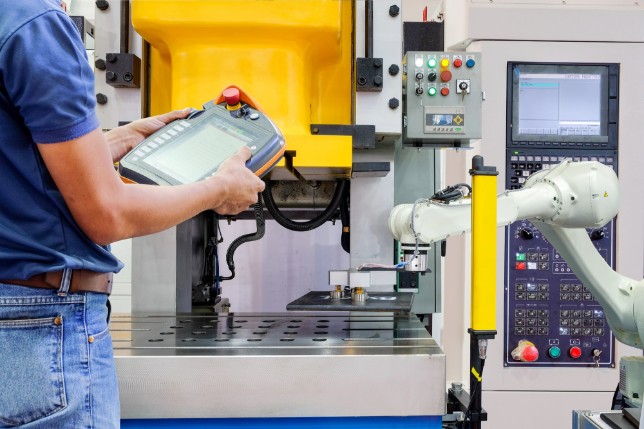
Once the root cause is confirmed, take corrective action to resolve the issue. This may involve rebalancing, realigning shafts, replacing worn bearings, tightening components, or addressing structural problems. After repairs, retest the machine to ensure vibration levels have returned to acceptable limits.
Document all findings and actions taken. This record will be invaluable for future troubleshooting and continuous improvement efforts.
Common Tools and Techniques for Diagnosing Vibration Issues
Several tools and methods are widely used in the process of diagnosing and resolving vibration problems:
- Vibration analyzers: Portable or fixed devices that measure vibration characteristics and provide frequency spectra.
- Laser alignment systems: Ensure precise shaft alignment to prevent misalignment-related issues.
- Ultrasound detectors: Useful for detecting bearing defects and lubrication problems.
- Thermal imaging cameras: Identify overheating components that may be contributing to vibration.
- Stroboscopes: Help visualize rotating parts and detect imbalance or looseness.
Combining these tools with a structured approach enables maintenance teams to efficiently resolve even complex vibration problems.
Best Practices for Preventing Recurring Vibration Problems
While diagnosing and fixing vibration issues is critical, prevention is equally important. Here are some best practices to minimize future problems:
- Implement a regular condition monitoring program using vibration analysis and other predictive maintenance techniques.
- Ensure proper installation and alignment of all rotating equipment.
- Balance rotors and couplings during commissioning and after major repairs.
- Maintain proper lubrication and replace bearings at recommended intervals.
- Train maintenance personnel in the fundamentals of vibration analysis and troubleshooting.
For industry-specific guidance, such as in steel manufacturing or pharmaceutical plants, explore resources like vibration analysis for steel manufacturing or vibration analysis for pharmaceutical plants.
Further Learning and Resources
Staying updated with the latest techniques and technologies in vibration analysis is essential for effective maintenance. For a comprehensive introduction to predictive maintenance and vibration monitoring, consider reading this beginner’s guide to predictive maintenance.
Additionally, for those working in paper mills or similar industries, vibration analysis for paper mills offers practical strategies for preventing costly breakdowns.
Frequently Asked Questions
What are the most common causes of machine vibration?
The most frequent causes include rotor imbalance, shaft misalignment, mechanical looseness, bearing defects, gear faults, and resonance. Each of these issues can be identified through careful vibration analysis and targeted inspections.
How often should vibration analysis be performed on industrial equipment?
The ideal frequency depends on the criticality of the asset and its operating environment. For critical machines, continuous monitoring or monthly checks are recommended. Less critical equipment may be monitored quarterly or semi-annually.
Can vibration problems be prevented entirely?
While it’s impossible to eliminate all vibration, many issues can be minimized through proper installation, regular maintenance, and predictive monitoring. Early detection and prompt corrective action are key to preventing minor problems from escalating.