
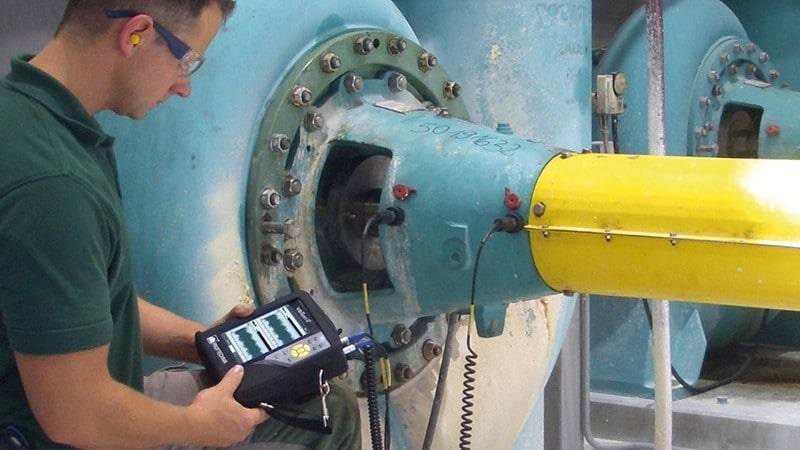
Industrial machinery relies heavily on the condition of its bearings. As these components wear, they can become a significant source of downtime, safety risks, and unexpected maintenance costs. Bearing wear detection methods have evolved, with vibration data analysis emerging as one of the most reliable approaches for early fault identification. Understanding how to use vibration signals effectively can help maintenance teams prevent failures and optimize equipment performance.
This article explores practical techniques for identifying bearing degradation, focusing on how vibration monitoring can be leveraged for predictive maintenance. We’ll also highlight how these strategies connect to broader operational goals, such as minimizing unplanned stoppages. For manufacturers interested in related process improvements, you may also want to review ways to reduce downtime in candy manufacturing for additional insights.
Why Early Bearing Wear Detection Matters
Bearings are fundamental to the smooth operation of rotating equipment. When they begin to degrade, the resulting issues can escalate rapidly. Early identification of wear allows maintenance teams to plan repairs, avoid catastrophic failures, and extend the lifespan of critical assets. This is especially important in industries where unplanned downtime can lead to significant financial losses or safety incidents.
Traditional inspection methods, such as manual checks or temperature monitoring, often miss subtle signs of deterioration. In contrast, vibration-based techniques can detect minute changes in bearing condition, providing a window of opportunity for intervention before major problems arise.
Core Principles of Vibration-Based Condition Monitoring
Vibration analysis is a cornerstone of modern bearing wear detection methods. It involves measuring the oscillatory motion of machinery components and interpreting the resulting data to identify abnormal patterns. When a bearing starts to wear, it generates distinctive vibration signatures that differ from those of a healthy component.
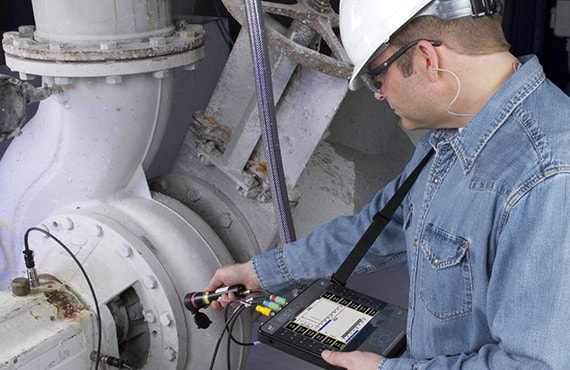
Key principles include:
- Frequency Analysis: Each bearing defect produces vibrations at specific frequencies. By analyzing these frequencies, it’s possible to pinpoint the type and location of the fault.
- Amplitude Monitoring: The intensity of vibration signals can indicate the severity of wear. Higher amplitudes often correspond to more advanced damage.
- Trend Tracking: Regular data collection enables teams to observe changes over time, making it easier to distinguish between normal operational variations and emerging issues.
Common Techniques for Detecting Bearing Wear
There are several established approaches for using vibration data to identify bearing problems. Each method offers unique advantages, and the best results often come from combining multiple techniques.
Time Domain Analysis
This method examines raw vibration signals as they change over time. Analysts look for increases in overall vibration levels, sudden spikes, or changes in waveform patterns. While time domain analysis is straightforward, it may not always reveal the root cause of the issue.
Frequency Domain Analysis (FFT)
Fast Fourier Transform (FFT) converts time-based signals into frequency spectra. This makes it easier to identify characteristic frequencies associated with specific bearing faults, such as inner or outer race defects, cage damage, or rolling element issues. By comparing observed frequencies to known defect frequencies, maintenance teams can accurately diagnose the problem.
Envelope Detection
Envelope analysis is particularly effective for identifying early-stage bearing faults. It isolates high-frequency impacts caused by defects and demodulates the signal to reveal repetitive patterns. This technique is sensitive to small cracks or spalls that might otherwise go unnoticed.
Shock Pulse Measurement
Shock pulse methods measure short-duration, high-frequency pulses generated by impacts within the bearing. These pulses increase as wear progresses, providing a clear indicator of bearing health. Shock pulse monitoring is often used in conjunction with other vibration analysis techniques.
Implementing Vibration Data Collection and Analysis
To make the most of vibration-based bearing wear detection methods, it’s essential to have a systematic approach to data collection and interpretation. Here are some best practices:
- Sensor Placement: Install accelerometers or vibration sensors as close to the bearing as possible to capture accurate signals.
- Consistent Data Acquisition: Collect data at regular intervals to establish baseline readings and track changes over time.
- Automated Monitoring: Consider using online monitoring systems for continuous data collection, especially in critical applications.
- Expert Interpretation: Train staff or partner with specialists to ensure vibration data is correctly analyzed and acted upon.
Benefits of Using Vibration Analysis for Bearing Health
Adopting vibration-based monitoring offers several advantages:
- Early Fault Detection: Identifies issues before they escalate, reducing the risk of unexpected breakdowns.
- Optimized Maintenance Scheduling: Enables condition-based maintenance, minimizing unnecessary interventions and maximizing asset life.
- Reduced Downtime: Supports proactive repairs, helping facilities avoid costly unplanned outages.
- Improved Safety: Prevents catastrophic failures that could endanger personnel or equipment.
- Cost Savings: Lowers maintenance costs by targeting repairs only when needed and extending the lifespan of bearings.
For those interested in a deeper technical overview, this comprehensive guide to vibration analysis provides valuable background and practical examples.
Integrating Detection Methods into Predictive Maintenance Programs
To maximize the value of vibration-based bearing wear detection methods, organizations should integrate them into a broader predictive maintenance strategy. This involves:
- Establishing clear protocols for data collection, analysis, and response.
- Combining vibration analysis with other condition monitoring tools, such as temperature or oil analysis, for a more complete picture of equipment health.
- Leveraging historical data to refine fault detection thresholds and improve diagnostic accuracy.
- Training maintenance teams on the latest analytical techniques and technologies.
Predictive maintenance not only reduces downtime but also supports continuous improvement across manufacturing operations. For example, food processors can apply similar principles to monitor steam quality or optimize production lines, as discussed in resources like how to monitor steam quality in food sterilization.
Challenges and Considerations in Vibration-Based Monitoring
While vibration analysis is a powerful tool, it does require careful implementation. Some common challenges include:
- Data Overload: Automated systems can generate large volumes of data, making it essential to have robust analysis tools and trained personnel.
- False Alarms: Environmental factors or unrelated machine faults can sometimes trigger false positives, leading to unnecessary maintenance.
- Sensor Accuracy: Poor sensor placement or calibration can result in misleading readings.
- Skill Requirements: Effective interpretation of vibration data often requires specialized knowledge and experience.
Addressing these challenges involves ongoing training, investment in reliable equipment, and a commitment to continuous improvement.
FAQ: Bearing Wear Detection and Vibration Data
What are the main signs of bearing wear detected through vibration analysis?
The most common indicators include increased vibration amplitude, the appearance of specific frequencies linked to bearing components, and repetitive impact signals. Early-stage faults may show up as subtle changes in the frequency spectrum or as high-frequency pulses detected through envelope analysis.
How often should vibration data be collected for effective monitoring?
The optimal frequency depends on the criticality of the equipment and operating conditions. For high-value or mission-critical machinery, continuous or daily monitoring is recommended. For less critical assets, weekly or monthly checks may suffice. Consistency is key to establishing reliable trend data.
Can vibration-based methods detect all types of bearing faults?
Vibration analysis is highly effective for most mechanical faults, including inner and outer race defects, rolling element damage, and cage issues. However, it may be less sensitive to lubrication problems or very early-stage wear without complementary techniques. Combining vibration monitoring with other methods, such as temperature or oil analysis, enhances overall diagnostic accuracy.