
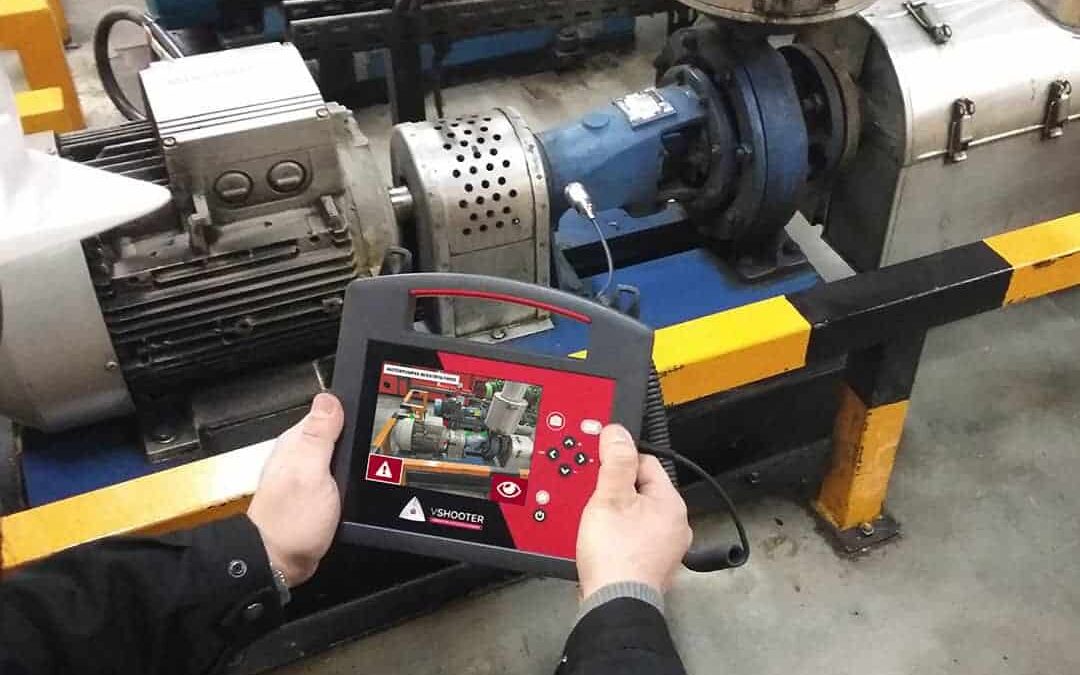
As industries increasingly rely on predictive maintenance and condition monitoring, the demand for professionals with a certification in vibration analysis continues to grow. This specialized qualification demonstrates expertise in diagnosing and preventing mechanical faults in rotating equipment, making it highly valuable for engineers, maintenance technicians, and reliability specialists. Whether you work in manufacturing, power generation, or process industries, understanding the path to becoming certified can open new career opportunities and enhance your technical skills.
This guide explores what a vibration analysis credential involves, why it matters, and how you can achieve it. We’ll also look at the different certification levels, the skills you’ll develop, and the steps required to prepare for and pass the necessary exams. For those working in sectors like energy or manufacturing, you may also find it helpful to review resources such as vibration analysis for power plants to see how these skills are applied in real-world scenarios.
Understanding the Importance of Vibration Analysis Credentials
Machinery vibration monitoring is a cornerstone of modern maintenance programs. Earning a certification in vibration analysis signals that you possess the technical knowledge and practical skills to detect early signs of equipment failure, such as misalignment, imbalance, or bearing defects. Certified analysts are trusted to interpret vibration data, recommend corrective actions, and help organizations avoid costly downtime.
Employers often require or prefer candidates with recognized credentials, as these ensure a standardized level of competence. Certification also demonstrates a commitment to professional development and adherence to industry best practices, which is particularly important in sectors where safety and reliability are critical.
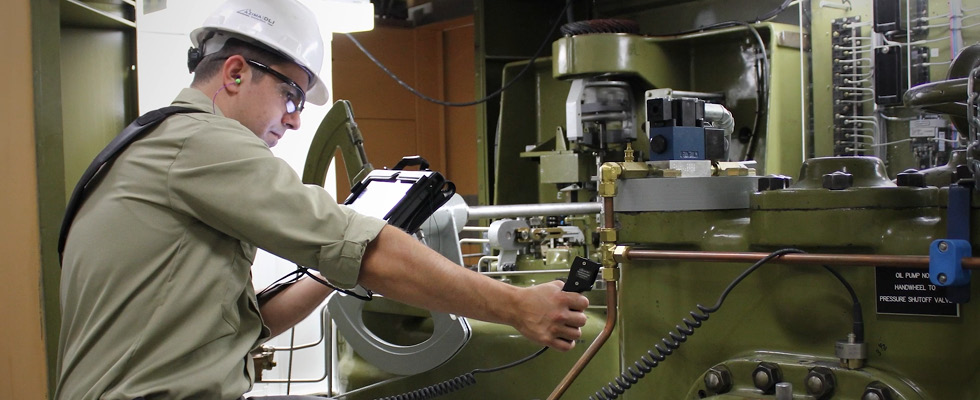
Levels and Types of Vibration Analysis Certification
Globally, the most widely recognized vibration analysis qualifications are structured according to the ISO 18436-2 standard. This standard defines four main levels, each reflecting a different degree of expertise and responsibility:
- Category I: Entry-level, focusing on basic data collection and simple fault detection.
- Category II: Intermediate, covering data analysis, diagnosis, and reporting.
- Category III: Advanced, including program management, advanced diagnostics, and corrective action planning.
- Category IV: Expert-level, emphasizing program design, advanced analysis, and training others.
Each level builds on the previous one, requiring more experience and deeper technical understanding. Certification bodies such as the Vibration Institute, Mobius Institute, and BINDT (British Institute of Non-Destructive Testing) offer programs aligned with these standards. Choosing the right level depends on your current role, experience, and career goals.
How to Qualify for a Certification in Vibration Analysis
To pursue a recognized credential in this field, you’ll need to meet certain prerequisites. These typically include a combination of formal training, hands-on experience, and passing a written exam. Here’s a general overview of the requirements for each level:
| Certification Level | Training Hours | Experience Required | Exam |
|---|---|---|---|
| Category I | 16 hours | 6 months | Yes |
| Category II | 32 hours | 18 months | Yes |
| Category III | 38 hours | 36 months | Yes |
| Category IV | 64 hours | 60 months | Yes |
Training is usually delivered through a combination of classroom instruction and practical workshops. Some providers also offer online modules for added flexibility. The experience requirement ensures that candidates have real-world exposure to vibration monitoring and analysis before attempting the exam.
Training and Exam Preparation Tips
Preparing for a certification in vibration analysis involves more than just attending a course. To maximize your chances of success, consider the following tips:
- Choose an accredited training provider: Ensure the course aligns with ISO standards and is recognized by major industry bodies.
- Practice with real equipment: Hands-on experience is crucial for understanding vibration signals and using data collectors or analyzers.
- Study key concepts: Focus on topics such as vibration fundamentals, signal processing, fault diagnosis, and reporting techniques.
- Take sample exams: Many providers offer practice questions or mock exams to help you get familiar with the format and time constraints.
- Engage with the community: Join forums or professional groups to discuss challenges and share insights with other analysts.
For a deeper understanding of how vibration analysis works in practice, you may find it useful to review resources like this detailed explanation of vibration analysis principles.
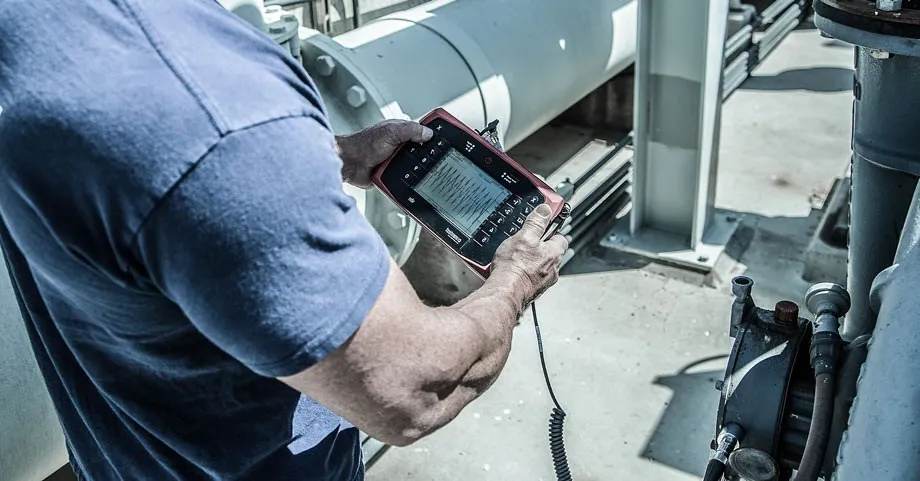
Industries and Applications for Certified Vibration Analysts
Professionals with a certification in vibration analysis are in demand across a variety of sectors. These include:
- Power generation: Monitoring turbines, generators, and pumps to prevent unplanned outages. For more on this application, see vibration analysis for power plants.
- Steel manufacturing: Ensuring the reliability of heavy rotating assets. Learn more at vibration analysis for steel manufacturing.
- Pulp and paper mills: Preventing breakdowns in critical production equipment. See vibration analysis for paper mills for details.
- Pharmaceutical plants: Maintaining compliance and uptime in regulated environments. Explore vibration analysis for pharmaceutical plants.
- Textile machinery: Keeping looms and spinning machines running smoothly. Read about vibration analysis for textile machinery.
In each of these sectors, certified analysts play a key role in reducing maintenance costs, improving safety, and extending equipment life.
Maintaining and Advancing Your Vibration Analysis Credential
Once you’ve earned your qualification, it’s important to keep your knowledge up to date. Most certifying bodies require periodic renewal, which may involve continuing education, retesting, or demonstrating ongoing practical experience. Advancing to higher levels of certification can further expand your career options and enable you to take on more complex diagnostic and leadership roles.
Staying engaged with the latest trends—such as wireless sensors, machine learning, and remote monitoring—will help you remain a valuable asset to your organization. Participating in industry conferences and workshops is another effective way to stay current and network with peers.
Frequently Asked Questions
What is the typical cost of obtaining a vibration analysis certification?
The cost varies depending on the level and the training provider, but you can expect to pay anywhere from a few hundred to several thousand dollars. This generally includes training, study materials, and the exam fee. Higher-level certifications and in-person courses tend to be more expensive.
How long does it take to become certified?
The timeline depends on your starting experience and the certification level you pursue. Entry-level (Category I) can be completed in a few weeks, while advanced levels require years of hands-on experience and additional training hours. Most candidates spend several months preparing for each level.
Is a certification in vibration analysis recognized internationally?
Yes, credentials based on ISO 18436-2 are recognized worldwide. Major certifying bodies align their programs with this standard, ensuring that your qualification is valid across different industries and countries.
Conclusion
Achieving a certification in vibration analysis is a significant step for professionals seeking to enhance their expertise in condition monitoring and predictive maintenance. By following the right training path, gaining practical experience, and staying engaged with industry developments, you can build a rewarding career and contribute to the reliability and efficiency of critical assets in your organization.