
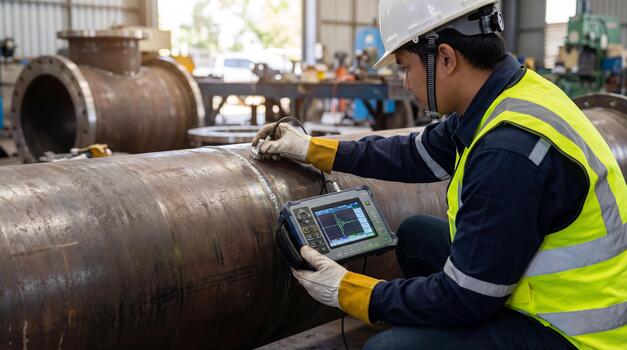
Machine vibration is a frequent challenge in industrial environments, affecting everything from pumps and motors to turbines and conveyors. Left unchecked, excessive oscillation can lead to equipment damage, unexpected downtime, and increased maintenance costs. Understanding the common causes of machine vibration is essential for maintenance teams, reliability engineers, and plant managers who want to extend asset life and ensure operational efficiency.
This guide explores the most frequent sources of vibration in machinery, how to identify them, and practical steps for mitigation. By addressing these issues proactively, organizations can reduce the risk of breakdowns and optimize their maintenance strategies. For a deeper dive into asset monitoring, you may also find value in our resource on condition monitoring for manufacturing plants.
Understanding the Basics of Industrial Vibration
Vibration in machinery refers to the oscillatory motion of mechanical components, often detected as shaking, noise, or movement. While some level of vibration is normal, excessive or abnormal patterns typically signal underlying mechanical issues. Monitoring and analyzing vibration can help detect problems early, preventing costly failures.
The common causes of machine vibration can range from mechanical imbalances to misalignment, looseness, and bearing defects. Each of these issues has distinct symptoms and requires targeted solutions.
Major Factors Behind Excessive Vibration in Equipment
Below are the most prevalent reasons for elevated vibration levels in industrial machinery, along with practical advice for identification and correction.
Imbalance in Rotating Components
One of the leading contributors to unwanted vibration is imbalance in rotating parts such as fans, rotors, or pulleys. When the mass distribution is uneven, centrifugal forces cause the shaft to wobble, resulting in repetitive oscillations.
- Symptoms: Consistent vibration at a speed matching the rotation of the component, increased wear on bearings.
- Solutions: Perform dynamic balancing of the rotating element. Remove buildup or debris and replace damaged parts as needed.
Misalignment of Shafts and Couplings
Misalignment occurs when the axes of connected shafts are not properly aligned, often due to installation errors, thermal expansion, or foundation shifts. This misalignment can be angular, parallel, or a combination of both.
- Symptoms: Vibration at multiples of running speed, coupling wear, and increased temperature at connection points.
- Solutions: Use laser alignment tools or dial indicators to realign shafts. Regularly inspect and adjust couplings.
Looseness and Mechanical Play
Loose bolts, worn mounts, or deteriorated foundations can introduce excessive movement between machine components. This mechanical play amplifies vibration and can accelerate component fatigue.
- Symptoms: Random or broad-spectrum vibration, rattling noises, and visible movement at joints.
- Solutions: Tighten fasteners, replace worn mounts, and reinforce foundations to restore structural integrity.
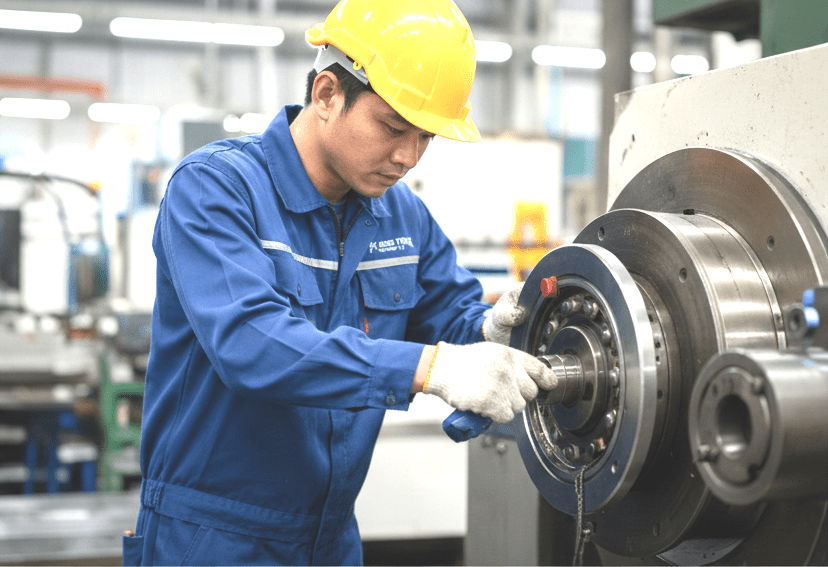
Bearing Defects and Lubrication Issues
Bearings are critical for smooth rotation. Defects such as pitting, spalling, or insufficient lubrication can cause abnormal vibration signatures and lead to catastrophic failure if not addressed.
- Symptoms: High-frequency vibration, increased noise, and elevated temperatures at bearing housings.
- Solutions: Regularly inspect bearings for wear, ensure proper lubrication, and replace damaged units promptly.
Resonance and Natural Frequency Problems
Every structure has a natural frequency at which it vibrates. If a machine operates at or near this frequency, even small forces can cause large amplitude oscillations—a phenomenon known as resonance.
- Symptoms: Dramatic increase in vibration amplitude at specific speeds, potential for rapid component failure.
- Solutions: Adjust operating speed, add damping, or modify the structure to shift the natural frequency away from operational ranges.
Unbalanced Electrical Forces in Motors
Electrical imbalances, such as phase loss or voltage fluctuations, can create uneven magnetic forces in electric motors, leading to increased vibration.
- Symptoms: Vibration coinciding with electrical anomalies, overheating, and reduced motor efficiency.
- Solutions: Inspect electrical supply, ensure balanced phases, and maintain motor windings.
Techniques for Diagnosing and Reducing Vibration
Effective vibration management starts with accurate diagnosis. Modern plants use a combination of manual inspections, portable vibration meters, and continuous monitoring systems to detect and analyze vibration patterns.
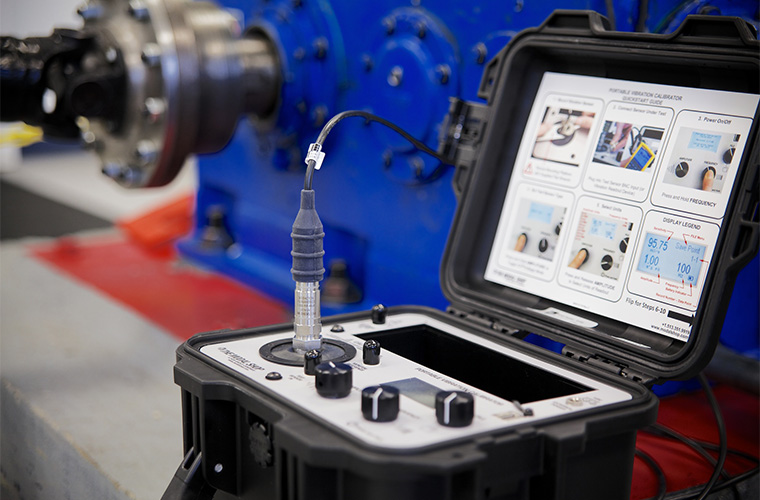
For those interested in sector-specific monitoring, our articles on vibration analysis for power plants, vibration analysis for steel manufacturing, and vibration analysis for paper mills provide detailed insights.
Best Practices for Minimizing Vibration
- Regular Maintenance: Schedule inspections and preventive maintenance to catch issues early.
- Precision Installation: Ensure all equipment is installed according to manufacturer specifications, with proper alignment and secure mounting.
- Condition Monitoring: Use vibration sensors and analysis software to track changes over time and predict failures before they occur.
- Training: Equip maintenance teams with the knowledge and tools to recognize abnormal vibration and respond effectively.
For a technical overview of vibration analysis methods and their benefits, refer to this comprehensive guide to vibration analysis techniques.
Industry Applications and the Importance of Proactive Management
Industries such as manufacturing, power generation, and pharmaceuticals rely on high-value assets where vibration control is critical. Proactive identification and correction of vibration sources not only prevent unplanned outages but also enhance safety and compliance.
For example, vibration analysis for pharmaceutical plants is essential for maintaining regulatory compliance and ensuring product quality. Similarly, heavy industries benefit from tailored monitoring strategies that address their unique operational challenges.
Frequently Asked Questions
What are the most common indicators of excessive vibration in machines?
Signs include unusual noise, increased heat, visible movement, and accelerated wear on bearings or couplings. Regular monitoring can help detect these symptoms early.
How often should vibration analysis be performed on industrial equipment?
The frequency depends on equipment criticality and operating conditions. High-value or mission-critical assets should be monitored continuously or at least monthly, while less critical machines may be checked quarterly.
Can vibration issues be prevented entirely?
While it is difficult to eliminate all vibration, most problems can be minimized through proper installation, routine maintenance, and timely corrective actions based on data from monitoring systems.
What tools are used to measure and analyze vibration?
Technicians use portable vibration meters, accelerometers, and advanced analysis software to capture and interpret vibration data. Continuous monitoring systems are also common in modern plants.
By understanding the common causes of machine vibration and implementing effective monitoring and maintenance practices, organizations can protect their assets, reduce downtime, and improve overall reliability.