
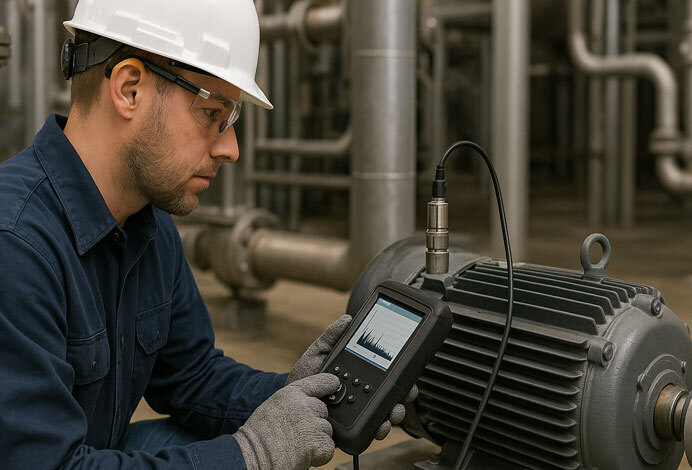
Condition monitoring in manufacturing is transforming the way factories maintain their equipment and ensure production reliability. By continuously tracking the health of machines, manufacturers can detect early signs of wear, prevent unexpected breakdowns, and optimize maintenance schedules. This proactive approach not only reduces downtime but also helps extend the lifespan of critical assets, making it a vital strategy for modern industrial operations.
As manufacturing environments become more complex and competitive, the need for efficient asset management grows. Implementing robust monitoring practices allows companies to shift from reactive to predictive maintenance, saving both time and money. For industries such as power generation, steel production, and pharmaceuticals, these techniques are becoming essential for maintaining uptime and meeting compliance requirements.
For example, industries that rely on heavy machinery—like steel manufacturing—benefit greatly from advanced monitoring. If you want to learn more about how these methods are applied in specific sectors, check out this resource on vibration analysis for steel manufacturing.
Understanding the Basics of Condition Monitoring
At its core, condition monitoring in manufacturing involves the continuous or periodic collection and analysis of data from equipment. The goal is to identify changes that may indicate a developing fault or deterioration. By catching these issues early, maintenance teams can take corrective action before a failure occurs, minimizing disruption and repair costs.
Key parameters monitored include vibration, temperature, oil quality, acoustic emissions, and electrical signals. Each of these indicators can reveal different types of problems, from bearing wear to misalignment or lubrication issues. The choice of monitoring technique depends on the type of machinery, its criticality, and the specific risks involved.
Key Techniques Used in Industrial Monitoring
A range of technologies and methods are used to monitor the health of manufacturing assets. Some of the most common include:
- Vibration analysis: This technique detects imbalances, misalignments, and bearing faults by measuring the vibration patterns of rotating equipment. It is widely used in industries such as power generation and paper mills. For more details on its application in different sectors, see vibration analysis for power plants and vibration analysis for paper mills.
- Thermography: Infrared cameras are used to detect abnormal heat signatures, which can indicate electrical faults, friction, or insulation breakdowns.
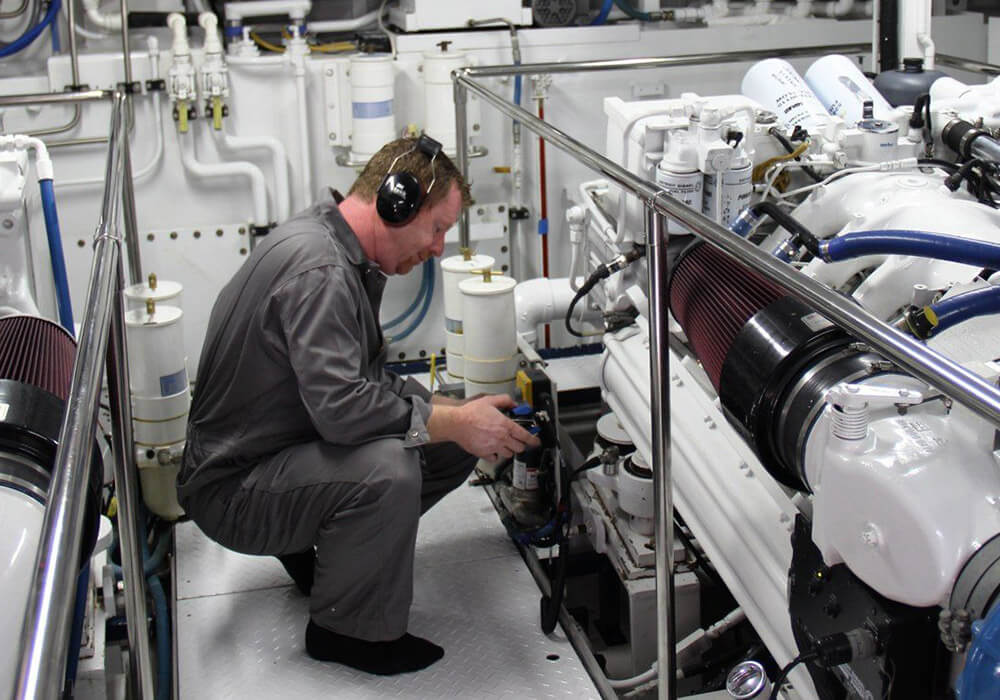
- Oil analysis: By testing lubricants for contaminants and wear particles, maintenance teams can assess the condition of gears, bearings, and hydraulic systems.
- Ultrasound monitoring: High-frequency sound waves help detect leaks, electrical discharges, and mechanical faults that might not be visible through other means.
Each of these techniques provides unique insights, and they are often used together for a comprehensive view of equipment health.
Benefits of Implementing Condition Monitoring in Manufacturing
Adopting a proactive monitoring strategy delivers several significant advantages:
- Reduced unplanned downtime: Early detection of faults allows for scheduled repairs, minimizing production interruptions.
- Lower maintenance costs: By addressing issues before they escalate, companies can avoid costly emergency repairs and extend the life of expensive assets.
- Improved safety: Monitoring helps identify hazardous conditions, reducing the risk of accidents and ensuring a safer workplace.
- Optimized maintenance schedules: Data-driven insights enable teams to perform maintenance only when necessary, rather than on a fixed calendar basis.
- Enhanced product quality: Well-maintained equipment operates more consistently, leading to higher-quality outputs and fewer defects.
For industries with strict regulatory requirements, such as pharmaceuticals, monitoring also supports compliance and documentation efforts. Learn more about sector-specific needs in vibration analysis for pharmaceutical plants.
How Data Is Collected and Analyzed
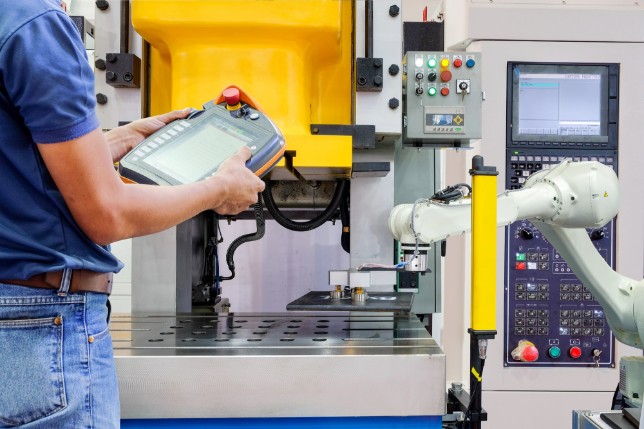
Modern monitoring systems use a combination of sensors, data acquisition devices, and specialized software to gather and interpret information from machinery. Sensors are installed on critical components to continuously measure parameters like vibration, temperature, or oil condition. This data is then transmitted to a central system, where it is analyzed in real time or at scheduled intervals.
Advanced analytics and machine learning algorithms are increasingly used to spot patterns and predict failures before they happen. Maintenance teams receive alerts when abnormal conditions are detected, allowing them to investigate and act promptly. This approach supports a shift toward predictive maintenance, where interventions are based on actual equipment condition rather than arbitrary time intervals.
For those new to these concepts, a beginner’s guide to predictive maintenance and vibration analysis provides a helpful overview of the fundamentals and benefits.
Challenges and Best Practices for Success
While the advantages are clear, implementing a successful monitoring program requires careful planning and ongoing commitment. Some common challenges include:
- Initial investment: Installing sensors and software can require significant upfront costs, but these are often offset by long-term savings.
- Data overload: Collecting large volumes of data can overwhelm teams if not managed properly. Focusing on critical assets and actionable insights is key.
- Training and culture: Staff must be trained to interpret data and respond appropriately. Building a culture that values proactive maintenance is essential.
To maximize the impact, manufacturers should:
- Start with the most critical equipment and expand gradually.
- Integrate monitoring data with existing maintenance management systems.
- Regularly review and update monitoring strategies as technology evolves.
- Collaborate with equipment suppliers and service providers for expert guidance.
For industries with specialized machinery, such as textile production, tailored approaches may be required. Discover more in vibration analysis for textile machinery.
Condition Monitoring Across Different Manufacturing Sectors
The principles of monitoring apply across a wide range of industries, but the specific techniques and priorities can vary. For example:
- Power plants focus on turbines and generators, where vibration and thermal analysis are critical.
- Steel mills monitor rolling mills and heavy-duty motors for early signs of fatigue.
- Paper mills rely on continuous monitoring to prevent costly web breaks and downtime.
- Pharmaceutical plants emphasize compliance and documentation, with strict monitoring of cleanroom equipment.
- Textile factories track looms and spinning machines to maintain consistent production.
By tailoring monitoring strategies to the unique needs of each sector, manufacturers can achieve optimal results and maintain a competitive edge.
Frequently Asked Questions
What is the main purpose of condition monitoring in manufacturing?
The primary goal is to detect equipment issues early, allowing maintenance teams to address problems before they lead to unplanned downtime or costly repairs. This approach helps improve reliability, safety, and overall efficiency.
Which types of equipment benefit most from condition monitoring?
Critical assets such as motors, pumps, compressors, turbines, and gearboxes are ideal candidates. Any machinery that is essential to production or costly to repair can benefit from proactive monitoring.
How does condition monitoring differ from traditional maintenance?
Traditional maintenance often relies on fixed schedules or reacts to failures after they occur. In contrast, monitoring uses real-time data to predict and prevent issues, enabling a shift to predictive and preventive maintenance strategies.
Can small and medium-sized manufacturers implement these techniques?
Yes, advances in sensor technology and cloud-based analytics have made monitoring more accessible and affordable for organizations of all sizes. Starting with a pilot program on key assets is a practical way to begin.
Conclusion
Condition monitoring in manufacturing is a proven strategy for improving asset reliability, reducing costs, and maintaining high standards of safety and quality. By leveraging advanced technologies and data-driven insights, manufacturers can stay ahead of equipment failures and achieve greater operational efficiency. As the industrial landscape continues to evolve, investing in these practices will be essential for long-term success.