
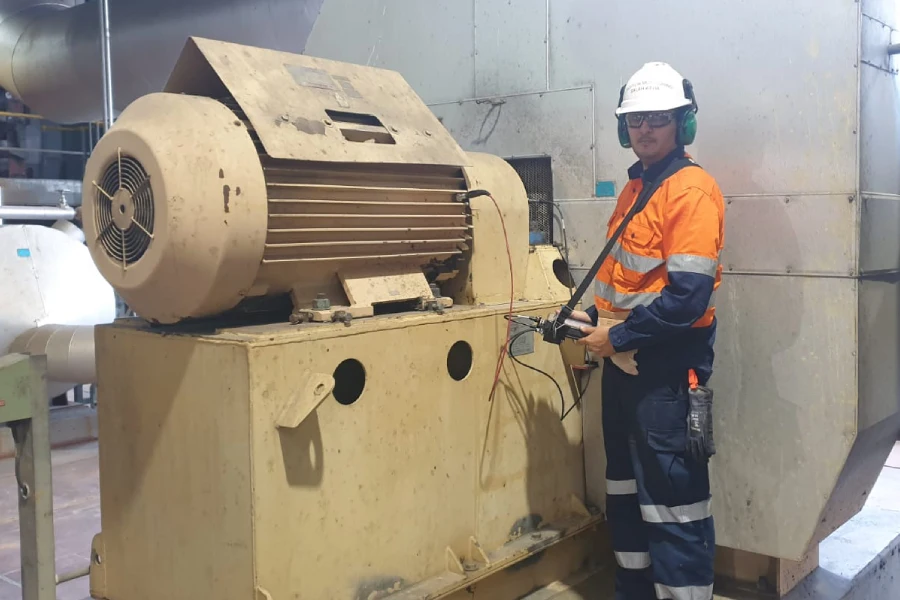
Industrial equipment and machinery are the backbone of countless operations, from manufacturing plants to energy facilities. Recognizing the early signs of machine failure is critical for minimizing downtime, reducing repair costs, and ensuring workplace safety. Small issues can rapidly escalate into catastrophic failures if left unaddressed, so it’s essential to stay vigilant and proactive in monitoring your assets.
Understanding what to look for—and acting promptly—can make the difference between a quick fix and a costly breakdown. In this guide, we’ll outline the most common warning signals, explain why they matter, and offer practical steps for early detection and prevention.
For organizations seeking a comprehensive approach to asset reliability, condition monitoring for manufacturing plants offers valuable insights and strategies for keeping equipment running smoothly.
Why Early Detection of Equipment Issues Matters
Identifying problems at the outset is far more effective than reacting to full-blown failures. When operators and maintenance teams spot the first signs of machine trouble, they can:
- Prevent unplanned downtime and lost production
- Reduce repair expenses by addressing minor faults early
- Extend the lifespan of critical assets
- Enhance workplace safety by avoiding hazardous breakdowns
- Improve overall operational efficiency
Ignoring these signals often leads to more severe damage and higher costs. That’s why a proactive maintenance culture is essential in any industrial environment.
Common Early Signs of Machine Failure
Every machine is unique, but certain symptoms are universal indicators that something isn’t right. Here are the most frequent early signs of machine failure to watch for:
Unusual Vibrations and Noise
One of the most reliable predictors of equipment malfunction is a change in vibration or sound. Excessive or irregular vibrations can indicate misalignment, imbalance, worn bearings, or loose components. Similarly, grinding, squealing, or knocking noises often signal mechanical wear or lubrication issues.
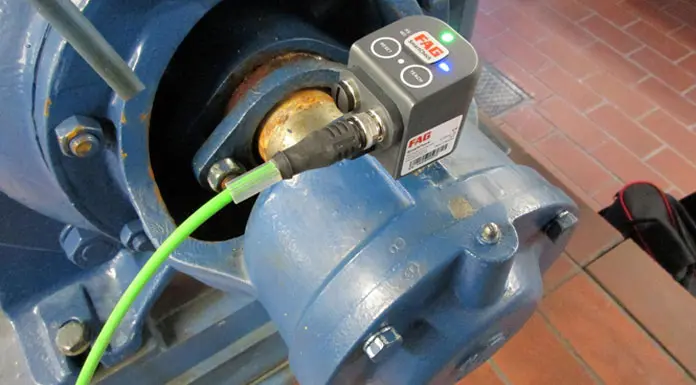
Technologies like vibration analysis for power plants and other industries provide detailed data to help maintenance teams pinpoint the source of abnormal movement before it leads to failure.
Temperature Fluctuations
Unexpected increases or decreases in operating temperature are classic warning signs. Overheating may result from friction, electrical faults, or cooling system failures, while unusually low temperatures could point to sensor malfunctions or insufficient load. Monitoring temperature trends helps detect problems before they escalate.
Abnormal Lubricant Condition
Lubricants are vital for reducing friction and wear. Changes in oil color, consistency, or the presence of metal particles can reveal internal damage, contamination, or inadequate maintenance. Regular oil analysis is a proven method for catching hidden issues early.
Changes in Performance or Output
When a machine’s output drops, cycle times increase, or energy consumption rises, it’s often a sign that something is amiss. These performance shifts may be subtle at first but can quickly worsen if ignored. Tracking key performance indicators (KPIs) is essential for early intervention.
Leaks and Unusual Odors
Fluid leaks—whether oil, coolant, or hydraulic fluid—are never normal. They can indicate seal failures, cracks, or loose fittings. Unusual smells, such as burning or chemical odors, may signal overheating, electrical issues, or material degradation.
Diagnostic Tools for Early Warning
Modern maintenance teams rely on a range of diagnostic technologies to spot early signs of machine failure:
- Vibration monitoring: Detects imbalances, misalignments, and bearing wear
- Thermal imaging: Identifies hot spots and abnormal heat patterns
- Oil analysis: Reveals contamination and internal wear
- Ultrasound inspection: Finds leaks and electrical discharges
- Condition monitoring software: Tracks trends and automates alerts
For a deeper dive into vibration-based diagnostics, explore this comprehensive article on vibration analysis techniques and their role in predictive maintenance.
Industry Examples: Where Early Detection Pays Off
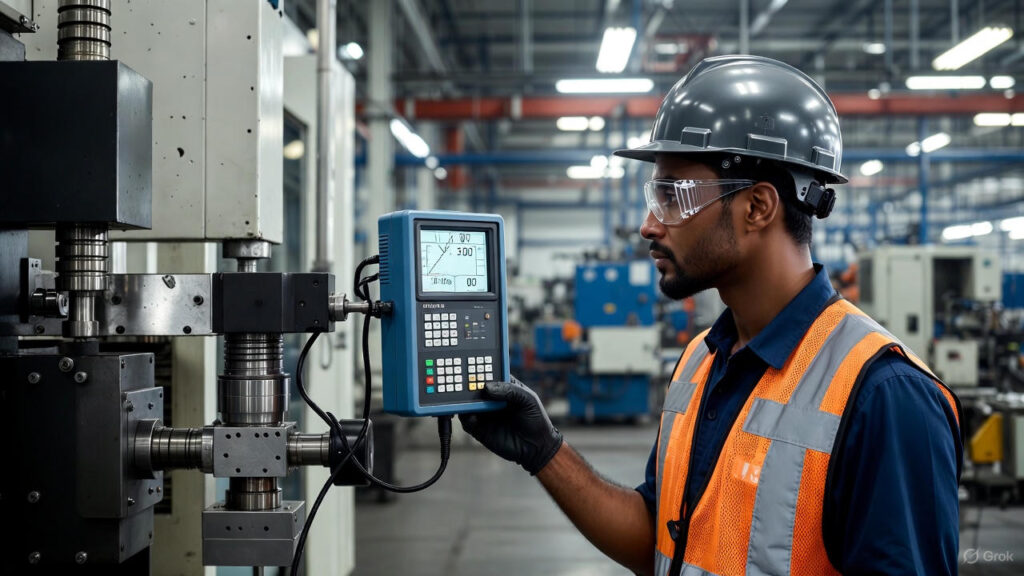
Different sectors face unique challenges, but the principles of early detection remain the same. In steel manufacturing, for example, vibration analysis for steel manufacturing helps prevent unplanned outages in heavy assets. Paper mills benefit from vibration analysis for paper mills to avoid costly breakdowns, while pharmaceutical plants rely on vibration analysis for pharmaceutical plants to maintain compliance and uptime.
By integrating these monitoring techniques, organizations can detect faults at the earliest possible stage, reducing risk and maximizing productivity.
What to Do If You Notice Warning Signs
Spotting a potential problem is only the first step. Here’s how to respond effectively:
- Document the symptoms: Record the time, location, and nature of the issue.
- Notify maintenance personnel: Prompt communication ensures quick action.
- Isolate the equipment if necessary: Prevent further damage or safety hazards.
- Conduct a thorough inspection: Use diagnostic tools to identify the root cause.
- Implement corrective actions: Repair, replace, or adjust components as needed.
- Review maintenance schedules: Adjust preventive measures to avoid recurrence.
Proactive steps like these help transform a reactive maintenance culture into a predictive one, saving time and resources in the long run.
Building a Culture of Proactive Maintenance
Early identification of equipment issues is most effective when supported by a company-wide commitment to reliability. This includes:
- Training staff to recognize and report abnormal conditions
- Implementing regular inspections and predictive maintenance routines
- Investing in monitoring technologies and data analysis
- Encouraging open communication between operators and maintenance teams
By fostering this mindset, organizations can reduce surprises, improve safety, and achieve greater operational stability.
FAQ: Early Warning Signs and Preventive Strategies
What are the most overlooked early indicators of machine problems?
Subtle changes in vibration, minor leaks, and slight temperature shifts are often dismissed as normal wear. However, these small deviations can be the first signs of a larger issue. Regular monitoring and staff awareness are key to catching these early.
How often should equipment be checked for early signs of failure?
The frequency depends on the type of equipment, its criticality, and operating conditions. High-value or mission-critical assets may require daily or continuous monitoring, while less critical machines might be inspected weekly or monthly. Following manufacturer guidelines and industry best practices is recommended.
Can predictive maintenance eliminate all unexpected breakdowns?
While predictive maintenance greatly reduces the risk of surprise failures, no system is foolproof. Some issues develop rapidly or are caused by external factors. However, combining predictive tools with operator vigilance and regular inspections provides the best defense against unplanned downtime.
Staying alert to the early signs of machine failure is essential for protecting your assets, your people, and your bottom line. By investing in monitoring technologies, training, and a proactive mindset, you can catch problems before they escalate and keep your operations running smoothly.