
The industrial landscape is undergoing a significant transformation as organizations seek smarter, more efficient ways to maintain their assets. The future of predictive maintenance is being shaped by rapid advances in data analytics, artificial intelligence, and sensor technology. Companies are moving beyond traditional maintenance schedules toward proactive strategies that minimize downtime, reduce costs, and extend equipment life. This article explores the emerging trends, key technologies, and practical considerations that are redefining asset management across industries.
For those looking to understand how these innovations are already impacting specific sectors, our guide to vibration analysis for power plants offers a practical example of predictive monitoring in action.
How Predictive Maintenance Is Evolving
Maintenance strategies have traditionally relied on either reactive (fix after failure) or preventive (scheduled servicing) approaches. While these methods have their place, they often lead to unnecessary costs or unexpected breakdowns. The shift toward predictive techniques leverages real-time data and advanced analytics to anticipate issues before they cause disruptions.
Modern predictive maintenance systems integrate data from sensors, historical records, and operational logs. By analyzing this information, organizations can identify patterns and predict when equipment is likely to fail. This approach enables targeted interventions, reducing both unplanned downtime and maintenance expenses.
Key Technologies Shaping the Future of Predictive Maintenance

Industrial Internet of Things (IIoT) and Smart Sensors
The proliferation of IIoT devices is central to the evolution of predictive maintenance. Smart sensors continuously monitor vibration, temperature, pressure, and other critical parameters. These devices transmit data in real time, enabling immediate detection of anomalies.
For example, in sectors like manufacturing, vibration analysis for steel manufacturing uses IIoT sensors to monitor heavy assets, helping teams address issues before they escalate. The ability to collect and process vast amounts of sensor data is a foundational element of next-generation maintenance strategies.
Artificial Intelligence and Machine Learning
AI and machine learning algorithms are transforming how maintenance data is interpreted. These technologies can analyze complex datasets, recognize subtle patterns, and generate accurate predictions about asset health. By learning from historical failures and operational conditions, AI-driven systems continuously improve their forecasting abilities.
Machine learning models can also help prioritize maintenance tasks based on risk and criticality, ensuring resources are allocated efficiently. This leads to smarter decision-making and a more proactive approach to asset management.
Cloud Computing and Edge Analytics
Cloud platforms provide scalable storage and processing power for the massive volumes of data generated by IIoT devices. They enable centralized dashboards, remote monitoring, and integration with enterprise resource planning (ERP) systems. At the same time, edge analytics—processing data locally on or near the equipment—allows for real-time insights and rapid response to emerging issues.
The combination of cloud and edge technologies ensures that organizations can act quickly while maintaining a holistic view of their assets across multiple sites.
Emerging Trends in Predictive Maintenance

Integration with Digital Twins
Digital twins—virtual replicas of physical assets—are gaining traction as a tool for predictive maintenance. By simulating equipment behavior and performance, digital twins help organizations test scenarios, optimize maintenance schedules, and visualize potential failures before they happen.
These models can be updated in real time with sensor data, providing a dynamic and accurate representation of asset health. As digital twin technology matures, it will become an integral part of predictive strategies across industries.
Remote Monitoring and Mobile Solutions
The ability to monitor equipment remotely is increasingly important, especially for organizations with distributed operations. Mobile apps and web-based dashboards allow maintenance teams to access real-time data, receive alerts, and manage work orders from anywhere. This flexibility improves responsiveness and supports a more agile maintenance workforce.
Advanced Vibration Analysis and Condition Monitoring
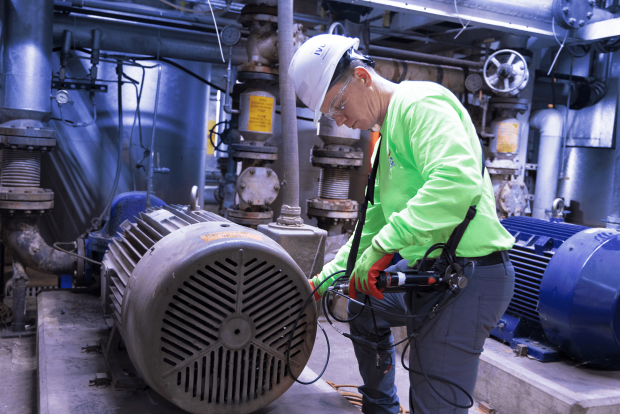
Vibration analysis remains a cornerstone of predictive maintenance, particularly for rotating machinery. Advances in sensor accuracy and data processing are making it easier to detect early signs of wear, misalignment, or imbalance. For those interested in a deeper dive, this comprehensive guide to vibration analysis explains the principles and benefits in detail.
Industries such as pulp and paper, pharmaceuticals, and textiles are adopting advanced condition monitoring techniques to prevent costly breakdowns. Our resources on vibration analysis for paper mills and vibration analysis for pharmaceutical plants illustrate how these methods support compliance and uptime.
Benefits and Challenges of Next-Generation Maintenance
Embracing predictive maintenance offers several compelling benefits:
- Reduced unplanned downtime through early detection of failures
- Lower maintenance costs by targeting interventions only when needed
- Extended equipment lifespan and improved asset reliability
- Enhanced safety by minimizing catastrophic failures
- Better resource allocation and workforce productivity
However, there are also challenges to consider:
- Initial investment in sensors, software, and training
- Integration with legacy systems and existing workflows
- Data security and privacy concerns
- Ensuring data quality and avoiding false positives
- Change management and workforce adoption
Organizations must weigh these factors carefully and develop a clear roadmap for implementation. Partnering with experienced solution providers and starting with pilot projects can help mitigate risks and demonstrate value early on.
Industry Applications and Real-World Impact
The adoption of predictive maintenance is accelerating across a range of sectors:
- Manufacturing: Real-time monitoring of production lines reduces bottlenecks and improves quality control.
- Energy and Utilities: Power plants and grid operators use predictive analytics to optimize asset performance and prevent outages.
- Transportation: Railways, airlines, and logistics companies rely on data-driven maintenance to maximize fleet availability and safety.
- Pharmaceuticals and Food Processing: Compliance-driven industries benefit from minimized downtime and stringent quality standards.
- Textile and Pulp & Paper: Continuous monitoring helps prevent costly stoppages and maintain consistent output.
For instance, vibration analysis for textile machinery is helping manufacturers keep looms running smoothly and avoid unexpected failures.
Frequently Asked Questions
What is predictive maintenance and how does it differ from preventive maintenance?
Predictive maintenance uses real-time data and analytics to forecast when equipment will need servicing, allowing interventions just before a failure occurs. Preventive maintenance, on the other hand, follows a fixed schedule regardless of actual equipment condition, which can lead to unnecessary maintenance or missed issues.
What are the main technologies driving advancements in predictive maintenance?
The most significant technologies include IIoT sensors for real-time monitoring, AI and machine learning for advanced data analysis, cloud computing for centralized data management, and digital twins for simulation and scenario planning.
How can companies get started with predictive maintenance?
Organizations should begin by identifying critical assets, installing appropriate sensors, and integrating data collection with analytics platforms. Starting with a pilot project can help demonstrate value and build confidence before scaling up across the enterprise.
Conclusion
The shift toward data-driven asset management is reshaping how industries approach maintenance. By embracing the latest trends and technologies, organizations can unlock greater efficiency, reliability, and cost savings. As the future of predictive maintenance continues to unfold, staying informed and agile will be key to maintaining a competitive edge in an increasingly connected world.