
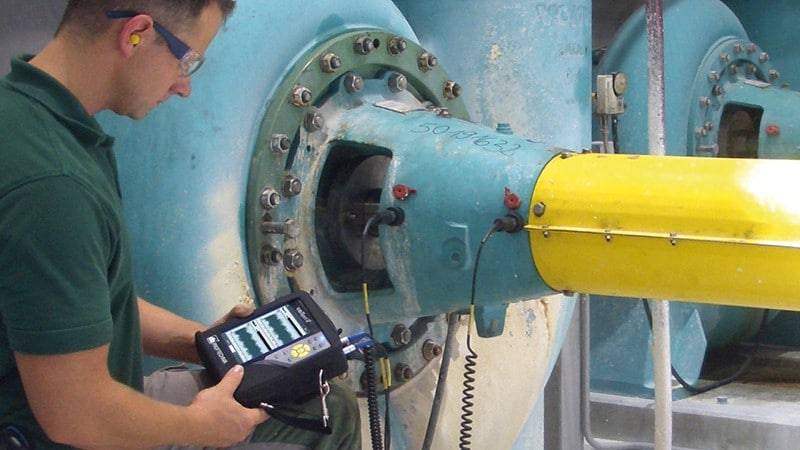
Machine diagnostics for manufacturers is a critical aspect of modern industrial operations. As manufacturing environments become more automated and complex, the ability to detect, analyze, and resolve equipment issues efficiently can mean the difference between smooth production and costly downtime. This guide explores the essential tools and methods used to assess machine health, prevent failures, and optimize maintenance strategies.
Manufacturers across industries—from automotive to pharmaceuticals—rely on advanced diagnostic technologies to keep their assets running reliably. By leveraging these tools, organizations can shift from reactive repairs to proactive maintenance, reducing unplanned outages and extending the lifespan of critical equipment.
For those interested in how these practices apply to specific sectors, our article on vibration analysis for power plants provides a focused look at monitoring critical assets in energy production.
Why Diagnostics Matter in Manufacturing
Unplanned equipment failures can disrupt production schedules, increase operational costs, and damage a manufacturer’s reputation. By implementing robust diagnostic processes, companies can:
- Reduce downtime by identifying issues before they escalate
- Lower maintenance costs through targeted interventions
- Improve product quality by ensuring consistent machine performance
- Enhance workplace safety by detecting hazardous conditions early
These benefits make diagnostics a foundational element of any effective maintenance program.
Core Tools for Machine Health Assessment
A variety of instruments and software platforms are available to support machine diagnostics for manufacturers. The choice of tools depends on the type of equipment, the production environment, and the specific goals of the maintenance team.
Vibration Analysis Equipment
Vibration analysis is one of the most widely used diagnostic techniques in manufacturing. Specialized sensors and handheld devices measure the oscillations of rotating machinery, helping technicians detect imbalances, misalignments, bearing faults, and other mechanical issues.
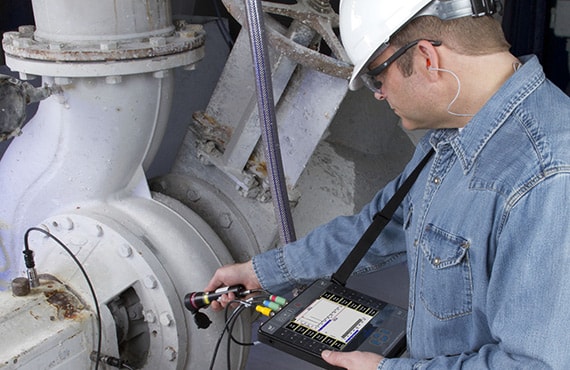
Modern vibration analyzers can provide real-time data and advanced analytics, making them indispensable for predictive maintenance. For a deeper dive into the subject, see this comprehensive guide to vibration analysis.
Thermography and Infrared Cameras
Thermal imaging tools detect abnormal heat patterns in machinery, which can indicate problems such as friction, electrical faults, or lubrication issues. Infrared cameras allow maintenance teams to inspect equipment while it’s running, providing a non-invasive way to spot overheating components before they fail.
Ultrasound Detectors
Ultrasound technology is used to identify leaks, electrical discharges, and mechanical wear in hard-to-reach areas. These detectors convert high-frequency sounds into audible signals, enabling technicians to pinpoint issues that are invisible to the naked eye.
Oil Analysis Kits
Regular analysis of lubricants can reveal contamination, wear particles, and chemical degradation. Oil analysis kits help manufacturers monitor the condition of both the lubricant and the machine itself, supporting timely interventions and reducing the risk of catastrophic failures.
Techniques for Effective Diagnostics
Beyond the tools themselves, successful diagnostics require a systematic approach. The following techniques are commonly used to maximize the value of machine health monitoring:
Condition-Based Monitoring
Condition-based monitoring (CBM) involves tracking key parameters—such as vibration, temperature, and oil quality—in real time. Maintenance actions are triggered only when data indicates a deviation from normal operating conditions, allowing for more efficient use of resources.
CBM is especially valuable for high-value assets and critical production lines, where unexpected downtime can have significant financial consequences.
Root Cause Analysis
When a fault is detected, root cause analysis (RCA) helps teams determine the underlying reason for the problem. By identifying the true source—rather than just treating symptoms—manufacturers can implement lasting solutions and prevent recurrence.
Predictive Maintenance Strategies
Predictive maintenance (PdM) uses diagnostic data and analytics to forecast when equipment is likely to fail. By scheduling interventions just before a breakdown is expected, manufacturers can minimize disruption and extend asset life.
Implementing PdM often involves integrating diagnostic tools with centralized software platforms, enabling automated alerts and data-driven decision-making.
Integrating Diagnostics with Manufacturing Operations
For diagnostics to deliver maximum value, they must be seamlessly integrated into daily operations. This includes:
- Training staff to use diagnostic tools effectively
- Establishing clear protocols for data collection and analysis
- Ensuring that diagnostic insights are communicated to maintenance and operations teams
- Regularly reviewing and updating diagnostic procedures as technology evolves
Manufacturers that embed diagnostics into their culture are better positioned to respond to challenges, optimize asset performance, and achieve long-term operational excellence.
Industry Applications and Related Resources
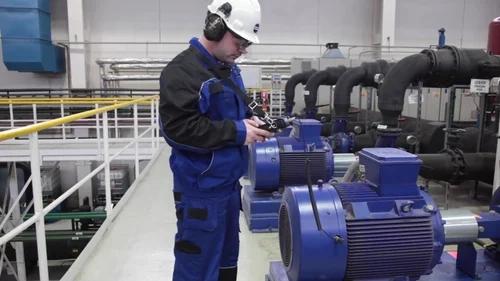
The principles and tools of machine diagnostics for manufacturers are applicable across a wide range of industries. For example, steel producers benefit from targeted monitoring of heavy assets, as discussed in our resource on vibration analysis for steel manufacturing. Similarly, paper mills and pharmaceutical plants each have unique diagnostic needs, addressed in our articles on vibration analysis for paper mills and vibration analysis for pharmaceutical plants.
For a broader overview of asset monitoring strategies, our guide to condition monitoring for manufacturing plants outlines best practices for maintaining uptime and compliance in diverse production environments.
Best Practices for Implementing Diagnostic Programs
To maximize the return on investment in diagnostic technologies, manufacturers should consider the following best practices:
- Start with critical assets: Focus initial efforts on equipment whose failure would have the greatest impact.
- Standardize data collection: Use consistent methods and tools to ensure reliable results.
- Leverage analytics: Employ software platforms that can process large volumes of diagnostic data and highlight actionable insights.
- Review and refine: Continuously assess the effectiveness of diagnostic activities and adjust as needed.
By following these steps, organizations can build a sustainable diagnostic program that supports both immediate and long-term operational goals.
FAQ
What are the most common tools used in machine diagnostics?
The most commonly used tools include vibration analyzers, infrared cameras, ultrasound detectors, and oil analysis kits. Each tool provides unique insights into equipment condition, helping maintenance teams detect and address issues proactively.
How does vibration analysis help manufacturers?
Vibration analysis allows manufacturers to monitor the health of rotating machinery by detecting imbalances, misalignments, and bearing faults. Early identification of these issues helps prevent unexpected failures and reduces maintenance costs.
What is the difference between predictive and preventive maintenance?
Preventive maintenance involves scheduled servicing based on time or usage, regardless of equipment condition. Predictive maintenance, on the other hand, uses diagnostic data to forecast when maintenance should be performed, allowing interventions only when necessary.
Can machine diagnostics improve workplace safety?
Yes, effective diagnostics can identify hazardous conditions—such as overheating or excessive vibration—before they lead to accidents, contributing to a safer work environment.