

Machine failure detection using vibration analysis has become a cornerstone of modern industrial maintenance. By continuously monitoring the vibrations produced by rotating and moving equipment, organizations can identify early warning signs of mechanical issues, reduce unexpected downtime, and extend asset life. This comprehensive guide explores the principles, techniques, and practical steps involved in leveraging vibration analysis for predictive maintenance and reliability improvement.
Industries ranging from manufacturing and power generation to pharmaceuticals and steel production rely on advanced monitoring to keep critical assets running smoothly. If you’re looking to enhance your plant’s reliability, understanding how vibration data reveals hidden problems is essential. For a deeper dive into sector-specific strategies, explore vibration analysis for power plants and see how these methods are applied to critical infrastructure.
Understanding Vibration Analysis for Equipment Health
Vibration analysis is a diagnostic technique that measures oscillations in machinery to detect imbalances, misalignments, bearing faults, and other mechanical issues. Every machine generates a unique vibration signature during normal operation. When a component starts to degrade, its vibration pattern changes, often before a failure occurs.
By using sensors such as accelerometers and velocity transducers, maintenance teams can capture vibration data and analyze it using specialized software. This approach enables early detection of faults, allowing for planned interventions rather than reactive repairs.
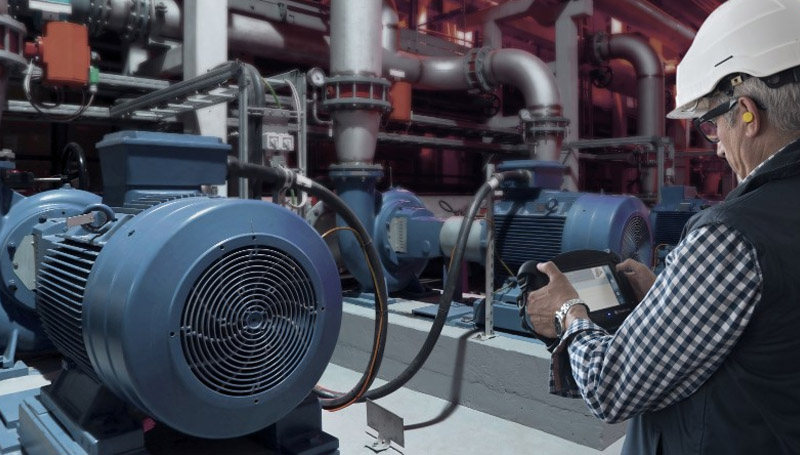
Key Benefits of Machine Failure Detection with Vibration Monitoring
Implementing vibration-based monitoring provides several advantages for industrial operations:
- Early Fault Detection: Identifies issues such as unbalance, looseness, or bearing wear before they escalate into major failures.
- Reduced Downtime: Enables scheduled maintenance, minimizing unexpected breakdowns and production losses.
- Cost Savings: Prevents catastrophic failures that can result in expensive repairs and collateral damage.
- Improved Safety: Reduces the risk of accidents caused by sudden mechanical breakdowns.
- Extended Asset Life: Proactive maintenance helps machines run more efficiently and last longer.
For industries like steel manufacturing, where heavy assets are constantly in operation, these benefits are especially significant. Learn more about sector-specific approaches in vibration analysis for steel manufacturing.
How Vibration Analysis Detects Machine Failures
The process of machine failure detection using vibration analysis involves several key steps:
- Sensor Placement: Vibration sensors are installed on critical points of the machine, such as bearings, shafts, and housings.
- Data Collection: Sensors continuously or periodically record vibration signals during machine operation.
- Signal Processing: The raw data is processed using Fast Fourier Transform (FFT) and other algorithms to separate different frequency components.
- Pattern Recognition: Analysts or automated systems compare the vibration spectrum to baseline signatures to identify anomalies.
- Fault Diagnosis: Specific vibration patterns correspond to particular faults, such as imbalance (high amplitude at rotational frequency), misalignment (harmonics), or bearing defects (high-frequency spikes).
- Reporting and Action: When abnormal patterns are detected, maintenance teams are alerted to investigate and address the issue.
This systematic approach allows organizations to move from reactive to predictive maintenance, reducing the risk of unplanned outages.
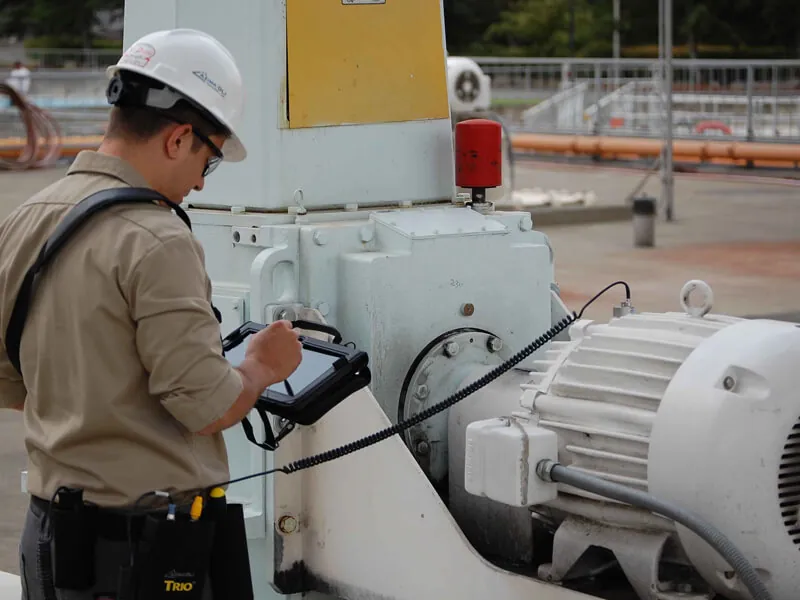
Common Machine Faults Identified by Vibration Monitoring
Vibration analysis can reveal a wide range of mechanical problems, including:
- Unbalance: Uneven mass distribution causes increased vibration at the machine’s rotational speed.
- Misalignment: Shafts that are not properly aligned generate harmonics and increased vibration amplitudes.
- Bearing Defects: Faulty bearings produce high-frequency vibrations and characteristic defect frequencies.
- Looseness: Loose bolts or components result in irregular vibration patterns and impacts.
- Gear Wear: Damaged or worn gears create sidebands and modulations in the vibration spectrum.
- Electrical Issues: Problems in electric motors, such as broken rotor bars, can also be detected through vibration analysis.
For industries like paper mills, where equipment reliability is crucial, these insights can prevent costly breakdowns. Explore more in vibration analysis for paper mills.
Implementing a Vibration-Based Predictive Maintenance Program
To successfully use vibration analysis for failure detection, organizations should follow these steps:
- Asset Selection: Identify critical machines whose failure would impact production or safety.
- Sensor Deployment: Choose appropriate sensors and install them at recommended locations.
- Baseline Data Collection: Record vibration signatures under normal operating conditions to establish reference patterns.
- Regular Monitoring: Set up continuous or periodic data collection, depending on asset criticality.
- Data Analysis: Use software tools and expert interpretation to detect deviations from baseline.
- Actionable Reporting: Integrate findings into maintenance workflows for timely intervention.
For regulated industries such as pharmaceuticals, compliance and uptime are critical. Discover tailored strategies in vibration analysis for pharmaceutical plants.
Integrating Vibration Analysis with Other Condition Monitoring Techniques
While vibration analysis is highly effective, combining it with other monitoring methods—such as thermography, oil analysis, and ultrasonic testing—provides a more comprehensive view of machine health. This integrated approach, known as condition monitoring for manufacturing plants, enables organizations to detect a broader range of faults and optimize maintenance schedules.
For a detailed overview of vibration analysis methodologies, visit this comprehensive resource on vibration analysis techniques.
Best Practices for Effective Machine Failure Detection
To maximize the value of vibration monitoring, consider these best practices:
- Train Personnel: Ensure maintenance teams understand vibration principles and can interpret analysis results.
- Automate Data Collection: Use wireless sensors and cloud-based platforms for real-time monitoring and alerts.
- Regularly Update Baselines: Re-establish reference signatures after major repairs or changes in operating conditions.
- Document Findings: Maintain detailed records of vibration data, analysis, and corrective actions for continuous improvement.
- Collaborate Across Teams: Involve operations, maintenance, and engineering staff in the monitoring process for holistic asset management.
FAQ: Vibration-Based Machine Health Monitoring
What types of machines benefit most from vibration analysis?
Rotating equipment such as pumps, motors, fans, compressors, turbines, and gearboxes are prime candidates for vibration-based monitoring. These assets are prone to faults that manifest as changes in vibration patterns, making early detection possible.
How often should vibration data be collected?
The frequency of data collection depends on asset criticality and operating conditions. Critical machines may require continuous monitoring, while less critical assets can be checked weekly or monthly. Establishing a regular schedule ensures timely detection of developing faults.
Can vibration analysis predict all types of failures?
While vibration analysis is highly effective for detecting mechanical issues, it may not identify all failure modes, such as electrical or process-related problems. Combining vibration monitoring with other condition-based techniques provides a more complete picture of asset health.