
In industrial environments, the relationship between machine vibration and energy efficiency is a critical factor that often goes unnoticed. Excessive vibration in factory equipment not only leads to mechanical wear and unplanned downtime, but it also has a significant impact on how much energy a facility consumes. Understanding and managing vibration is essential for manufacturers aiming to optimize their operations, reduce costs, and meet sustainability goals.
This article explores how vibrations affect energy use in factories, the underlying causes, and practical steps to monitor and reduce vibration for improved efficiency. For those interested in more specialized applications, our resource on vibration analysis for power plants provides deeper insights into monitoring critical assets in energy-intensive industries.
Understanding the Link Between Vibration and Power Consumption
When machines operate with excessive vibration, they require more energy to perform the same tasks. This is due to increased friction, misalignment, and the need to overcome additional resistance within moving parts. Over time, the inefficiencies caused by vibration can add up to substantial energy losses across a facility.
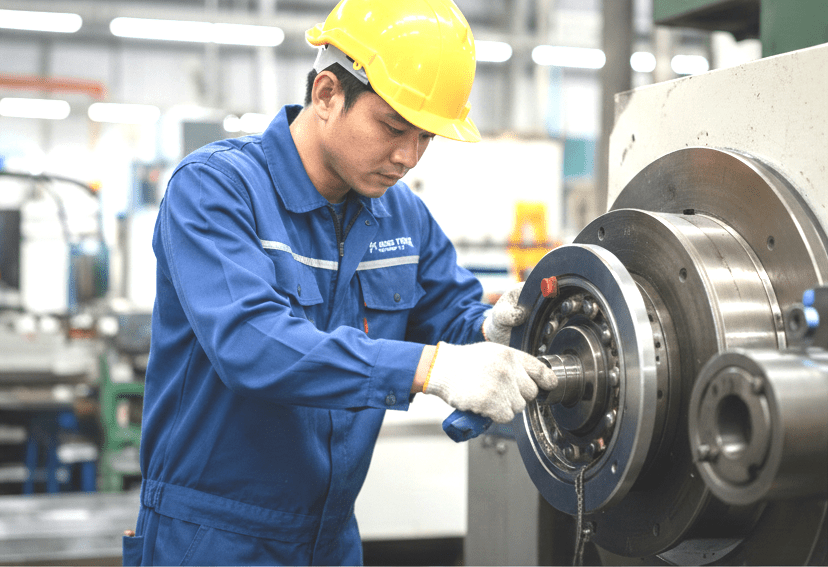
In many factories, motors, pumps, fans, and compressors are the main sources of energy consumption. If these assets are not running smoothly, even minor imbalances can lead to a noticeable increase in power draw. For example, a misaligned shaft or worn bearing can cause a motor to work harder, using more electricity and generating more heat.
Common Causes of Excessive Vibration in Industrial Equipment
To address the impact of vibration on energy use, it’s important to recognize the root causes. Some of the most frequent contributors include:
- Imbalance: Uneven distribution of mass in rotating components, such as fans or rotors, leads to shaking and increased energy demand.
- Misalignment: When shafts or couplings are not properly aligned, machines must compensate, resulting in higher vibration and wasted energy.
- Worn Bearings: Degraded bearings create additional friction, causing both vibration and a spike in power consumption.
- Loose Parts: Bolts, mounts, or other fasteners that are not secure can introduce instability, forcing motors to work harder.
- Resonance: When a machine’s natural frequency matches the frequency of external forces, vibration is amplified, leading to inefficiency.
How Vibration Reduces Energy Efficiency in Factories
The connection between machine vibration and energy efficiency becomes clear when examining how vibration disrupts normal operations. Here are several ways vibration leads to higher energy use:
- Increased Friction: Vibrating components rub against each other more than intended, generating heat and requiring more energy to maintain speed.
- Component Degradation: As parts wear out faster due to vibration, machines lose their optimal performance and draw more power to compensate.
- Unplanned Downtime: Frequent breakdowns force factories to rely on backup systems, which may be less efficient.
- Reduced System Reliability: Operators may run machines at lower loads to avoid failure, sacrificing efficiency.
A study by the U.S. Department of Energy found that poor maintenance, including unmanaged vibration, can increase industrial energy consumption by up to 20%. This highlights the importance of regular monitoring and proactive maintenance.
Monitoring and Analyzing Vibration for Better Energy Management
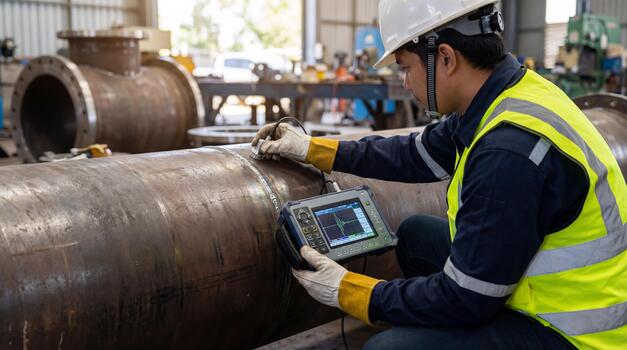
Modern factories use a range of tools to detect and analyze vibration. Sensors placed on motors, pumps, and other rotating equipment can provide real-time data on vibration levels. By tracking this information, maintenance teams can identify problems before they escalate, reducing both energy waste and repair costs.
For a comprehensive overview of how vibration monitoring fits into broader asset management, see our guide on condition monitoring for manufacturing plants. This resource explains how predictive maintenance strategies can help factories achieve both reliability and energy savings.
Best Practices for Reducing Vibration and Improving Efficiency
To minimize the negative effects of vibration on energy use, factories should adopt a proactive approach. Here are some proven strategies:
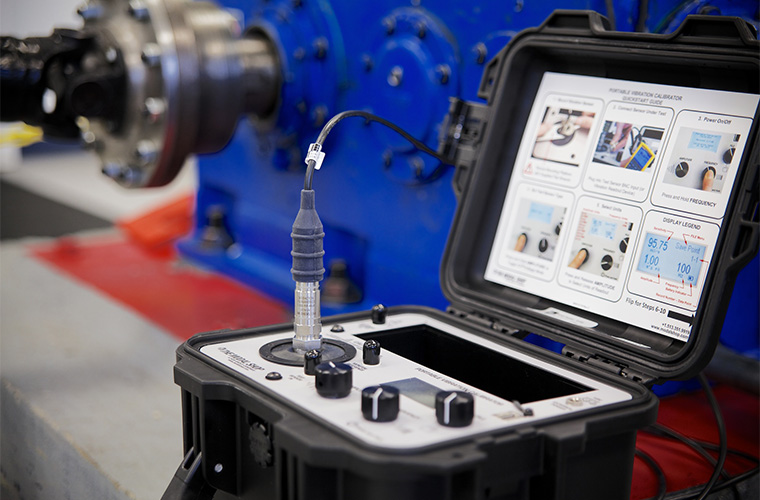
- Implement Regular Vibration Analysis: Schedule routine checks using handheld or permanently installed sensors to detect early signs of imbalance or misalignment.
- Balance Rotating Equipment: Ensure that fans, rotors, and other spinning components are properly balanced to prevent unnecessary shaking.
- Align Shafts and Couplings: Use laser alignment tools to keep shafts in line, reducing stress on bearings and motors.
- Maintain and Replace Bearings: Lubricate and inspect bearings regularly, replacing them at the first sign of wear.
- Tighten Fasteners: Check and secure all bolts and mounts to prevent loosening over time.
- Monitor for Resonance: Identify and address resonance issues by adjusting operating speeds or reinforcing machine bases.
By integrating these practices into a maintenance routine, factories can extend equipment life, reduce energy costs, and improve overall productivity.
Case Studies: Real-World Impact of Vibration Management
Several manufacturers have reported measurable improvements in energy use after implementing vibration control programs. For example, a food processing plant reduced its annual electricity consumption by 12% after balancing its conveyor motors and replacing worn bearings. In another case, a steel manufacturer saw a 15% drop in unplanned downtime and a corresponding decrease in energy waste after adopting predictive vibration monitoring.
These examples demonstrate that even small adjustments can have a significant impact on both operational costs and sustainability goals.
Integrating Vibration Analysis with Broader Energy Strategies
Addressing machine vibration and energy efficiency should be part of a larger effort to optimize factory operations. Combining vibration monitoring with other energy-saving measures—such as upgrading to high-efficiency motors, improving insulation, and automating controls—can maximize results.
For those working in specialized industries, targeted solutions are available. Explore our resources on vibration analysis for steel manufacturing or vibration analysis for paper mills to learn how tailored monitoring can further enhance efficiency and reliability.
Expert Insights and Further Reading
For a deeper technical dive into vibration analysis and its role in industrial energy management, consider reading this comprehensive overview of vibration analysis techniques. The article covers advanced diagnostic tools, data interpretation, and the latest trends in predictive maintenance.
Staying informed about best practices and emerging technologies is essential for any facility manager or maintenance professional aiming to reduce energy costs and extend equipment life.
Frequently Asked Questions
How does vibration monitoring help reduce energy costs in factories?
By continuously tracking vibration levels, maintenance teams can detect issues like imbalance or misalignment early. Addressing these problems promptly prevents machines from working harder than necessary, which lowers energy consumption and reduces the risk of costly breakdowns.
What types of equipment benefit most from vibration analysis?
Rotating machinery such as motors, pumps, fans, compressors, and conveyors are most susceptible to vibration-related inefficiencies. Regular analysis of these assets helps maintain optimal performance and energy use.
Can vibration control contribute to sustainability goals?
Yes, managing vibration not only cuts energy waste but also extends the lifespan of equipment, reducing the need for replacements and minimizing the environmental impact of manufacturing operations.