
Capturing movement in photos can add a sense of energy and dynamism, but it’s easy to fall into common traps that lead to disappointing results. Whether you’re an experienced photographer or just starting out, understanding the most frequent motion blur mistakes to avoid will help you achieve sharper, more compelling images. This article explores the pitfalls that often undermine motion shots and offers practical solutions to help you master this creative technique.
For those interested in expanding their creative toolkit, exploring motion blur storytelling techniques can provide additional inspiration and guidance on using blur to convey narrative and emotion.

Understanding Motion Blur and Its Role in Photography
Motion blur occurs when moving subjects or camera shake cause parts of an image to appear smeared or out of focus. While intentional blur can be used for creative effect, unintentional blur often results from improper technique or camera settings. Recognizing the difference between artistic blur and accidental softness is the first step toward improving your results.
In genres like sports, street, and urban photography, blur can convey speed and atmosphere. However, if not handled carefully, it can also make images look sloppy or amateurish. By learning to control this effect, you can decide when to freeze action and when to let movement flow through your frame.
Common Motion Blur Mistakes and How to Prevent Them
Let’s break down the most frequent errors photographers make when dealing with movement and how to address them for sharper, more intentional images.
Using the Wrong Shutter Speed
One of the most widespread motion blur mistakes to avoid is selecting an inappropriate shutter speed. Too slow, and even the slightest movement will result in blur; too fast, and you may lose the sense of motion altogether.
- For fast-moving subjects (like athletes or vehicles), use a shutter speed of at least 1/500s or faster.
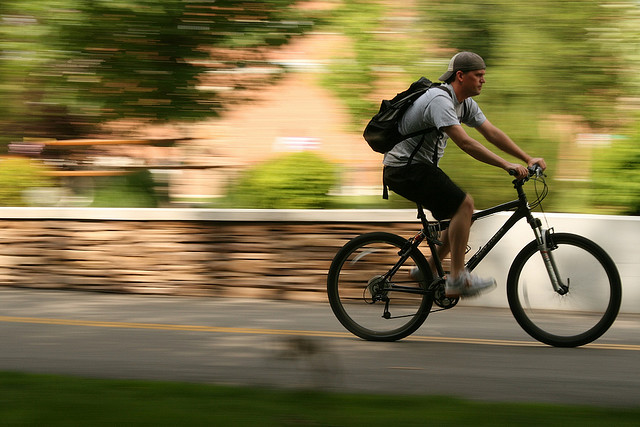
- For panning shots where you want to blur the background but keep the subject sharp, experiment with speeds between 1/30s and 1/125s.
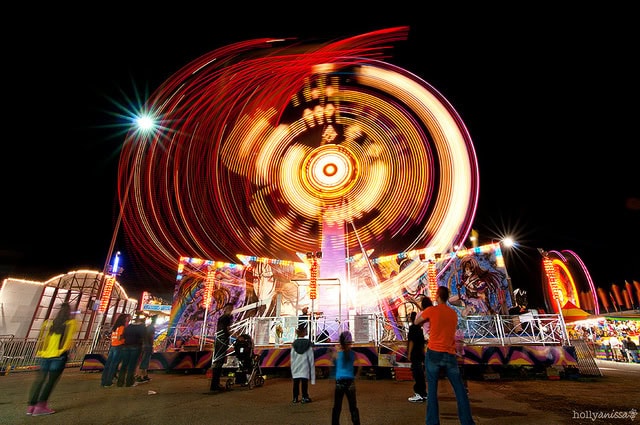
- For intentional creative blur, slower speeds (1/10s or longer) can be effective, but require precise technique.
Neglecting Camera Stability
Even with the right settings, camera shake can introduce unwanted blur. This is especially true in low light or when using longer focal lengths. To minimize shake:
- Use a tripod or stable surface whenever possible.
- Activate image stabilization if your lens or camera offers it.
- Consider using a remote shutter release or the camera’s self-timer to avoid jostling the camera during exposure.
For photographers interested in pushing creative boundaries, exploring motion blur experimental photography can provide new perspectives on using movement intentionally.
Overlooking Subject Movement
Not all motion is created equal. The direction and speed of your subject’s movement relative to the camera can dramatically affect the outcome. Subjects moving directly toward or away from the camera are less likely to blur than those moving across the frame. Anticipate the path of your subject and adjust your settings accordingly.
Ignoring Lighting Conditions
Insufficient light often forces photographers to use slower shutter speeds, increasing the risk of unwanted blur. To counteract this:
- Increase your ISO to allow for faster shutter speeds, but be mindful of noise.
- Open your aperture wider to let in more light.
- Use artificial light sources or shoot during brighter parts of the day.
Technical Tips for Reducing Unwanted Blur
Beyond the basics, a few technical adjustments can make a significant difference in your ability to control movement in your images.
Mastering Autofocus Modes
Selecting the right autofocus mode is crucial when photographing moving subjects. Continuous autofocus (AI Servo for Canon, AF-C for Nikon/Sony) tracks moving subjects and helps maintain sharpness. Single-shot autofocus is better suited for stationary subjects.
Understanding the Role of Focal Length
Longer lenses magnify both your subject and any camera movement. As a rule of thumb, use a shutter speed at least as fast as the reciprocal of your focal length (e.g., 1/200s for a 200mm lens) to minimize shake.
Reviewing and Adjusting on the Spot
Don’t wait until you’re back at your computer to check for blur. Use your camera’s LCD and zoom in to inspect critical areas for sharpness. If you notice softness, increase your shutter speed or stabilize your camera further.
Creative Uses of Motion Blur
While much of this guide focuses on avoiding unintentional blur, it’s important to remember that movement can be a powerful creative tool. Techniques like panning, long exposures, and intentional camera movement can add artistry and emotion to your work.
For more inspiration, explore motion blur urban photography and motion blur creative lighting to see how professionals use these effects in different contexts.
You can also find stunning examples and further advice in this collection of beautiful motion blur photos that showcase the artistic potential of movement in photography.
Frequently Asked Questions
What is the best way to prevent unwanted motion blur in low light?
To reduce blur in dim conditions, use a tripod, increase your ISO, and open your aperture as wide as possible. If your camera or lens has image stabilization, enable it. Always review your images and adjust settings as needed.
How can I use motion blur creatively without sacrificing image quality?
Intentional blur can add atmosphere and emotion. Try panning with your subject to keep them sharp while blurring the background, or use long exposures to capture light trails and movement. Practice and experimentation are key to balancing creativity and clarity.
Why do my action shots still look blurry even with a fast shutter speed?
Blurry action photos can result from missed focus, camera shake, or insufficient light. Make sure you’re using continuous autofocus, stabilize your camera, and check your ISO and aperture to ensure enough light reaches the sensor.
Are there any genres where motion blur is especially effective?
Yes, genres like urban, experimental, and minimalism photography often use blur intentionally to create mood and visual interest. For ideas, see motion blur minimalism photography for minimalist approaches and inspiration.