
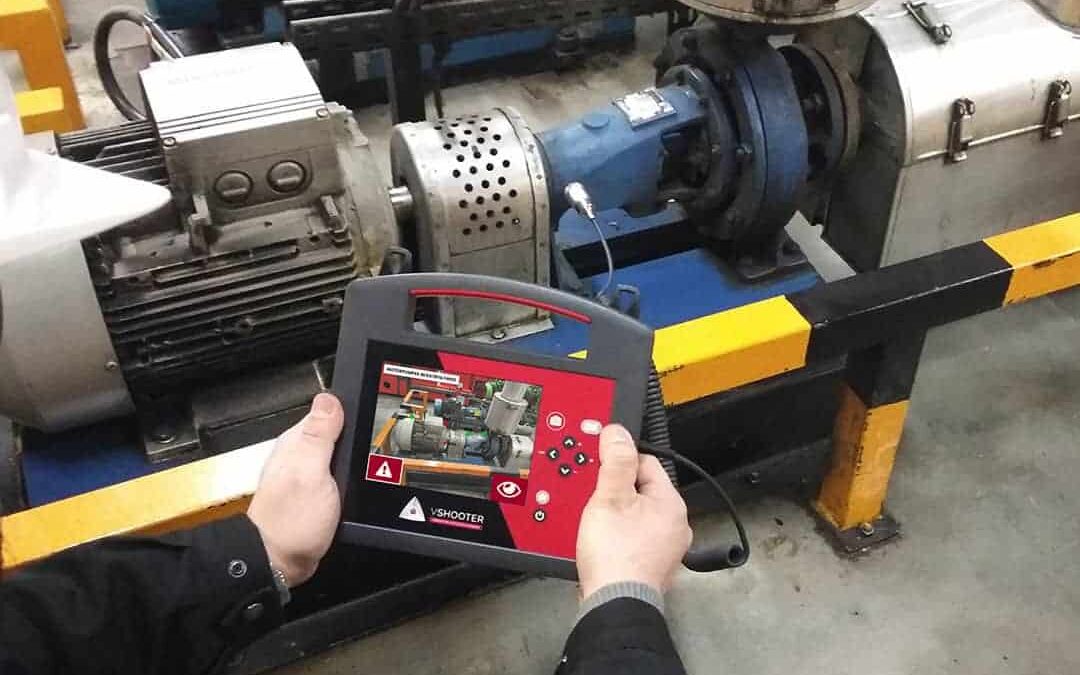
Modern manufacturing relies on the seamless operation of production lines to maintain high output and consistent product quality. As industries face increasing pressure to optimize resources and minimize downtime, production line efficiency monitoring has become a critical focus. One of the most effective ways to achieve this is by leveraging vibration data to detect early signs of mechanical issues, reduce unplanned outages, and improve overall equipment effectiveness.
By capturing and analyzing vibration signals from machinery, manufacturers can gain actionable insights into the health and performance of their assets. This proactive approach not only helps prevent costly breakdowns but also supports data-driven decision-making for maintenance and process improvements. For those interested in broader asset monitoring strategies, exploring condition monitoring for manufacturing plants provides additional context on how vibration analysis fits into a comprehensive reliability program.
Why Vibration Data Matters for Production Line Optimization
Machinery in production environments is subject to wear, misalignment, imbalance, and other mechanical stresses. These issues often manifest as changes in vibration patterns long before they cause visible problems or failures. By continuously monitoring vibration, maintenance teams can identify anomalies early, schedule repairs at convenient times, and avoid unexpected downtime.
Production line efficiency monitoring using vibration data offers several advantages:
- Early Fault Detection: Identifies bearing wear, looseness, misalignment, and other issues before they escalate.
- Reduced Downtime: Enables planned maintenance, minimizing the impact on production schedules.
- Improved Asset Lifespan: Prevents catastrophic failures that can damage equipment and require costly replacements.
- Enhanced Productivity: Keeps machinery running at optimal performance, supporting consistent throughput.
How Vibration Monitoring Works in Industrial Settings
The process begins with the installation of vibration sensors—such as accelerometers—on critical components of production machinery. These sensors capture real-time data on the amplitude and frequency of vibrations, which are then transmitted to a central monitoring system for analysis.
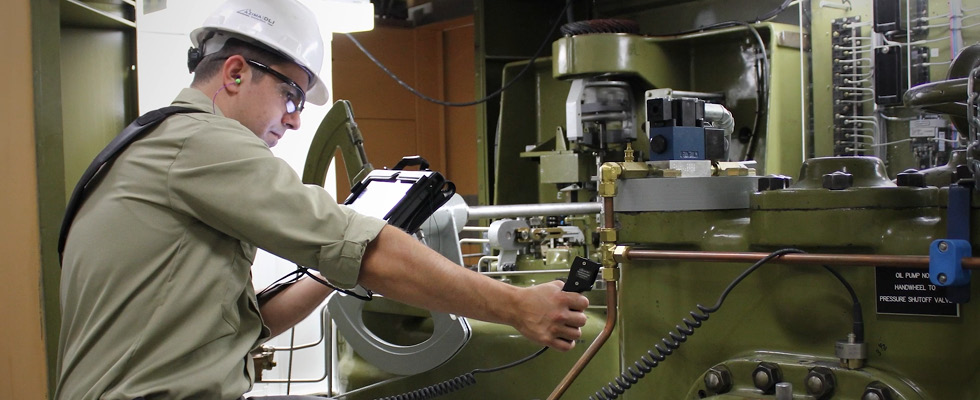
Advanced analytics software compares incoming vibration data against established baselines and thresholds. When deviations occur, the system can trigger alerts, generate diagnostic reports, and even recommend corrective actions. This approach transforms maintenance from a reactive to a predictive discipline, allowing teams to focus resources where they are needed most.
For a deeper dive into the technical aspects, this overview of vibration analysis techniques explains how frequency spectra and time-domain data are used to pinpoint specific faults.
Key Metrics for Monitoring Efficiency with Vibration Data
To maximize the value of vibration-based monitoring, it’s important to track metrics that directly impact production line efficiency. Some of the most relevant indicators include:
- Overall Vibration Velocity: High levels often signal imbalance or misalignment.
- Frequency Spectrum Peaks: Specific frequencies can indicate bearing defects, gear mesh issues, or looseness.
- Trend Analysis: Monitoring changes in vibration over time helps identify gradual deterioration.
- Alarm Rates: The frequency of alerts can highlight chronic issues or the need for process adjustments.
By integrating these metrics into a centralized dashboard, plant managers can quickly assess the health of their assets and prioritize interventions that will have the greatest impact on throughput and reliability.
Integrating Vibration Insights into Maintenance Strategies
Effective production line efficiency monitoring is not just about collecting data—it’s about turning insights into action. The most successful programs combine vibration analysis with other condition monitoring techniques, such as temperature, oil analysis, and acoustic monitoring, to create a holistic view of equipment health.
Maintenance teams can use vibration data to:
- Schedule preventive maintenance based on actual asset condition, not just calendar intervals.
- Optimize spare parts inventory by predicting which components are likely to fail.
- Reduce unnecessary inspections and focus on machines that show early warning signs.
- Document maintenance actions and correlate them with improvements in vibration profiles.
This data-driven approach supports continuous improvement and helps justify investments in new monitoring technologies or process upgrades.
Applications Across Different Manufacturing Sectors
Vibration-based monitoring is widely used across various industries, each with unique requirements and challenges. For example, in power generation, vibration analysis for power plants is essential for protecting turbines and generators. In heavy industries, such as steel manufacturing, vibration analysis for steel manufacturing helps maintain large rotating equipment.
Other sectors, including paper mills and pharmaceutical plants, also benefit from tailored vibration monitoring strategies. For instance, vibration analysis for paper mills can prevent costly web breaks, while vibration analysis for pharmaceutical plants supports compliance and uptime in regulated environments.
Best Practices for Implementing Vibration-Based Efficiency Monitoring
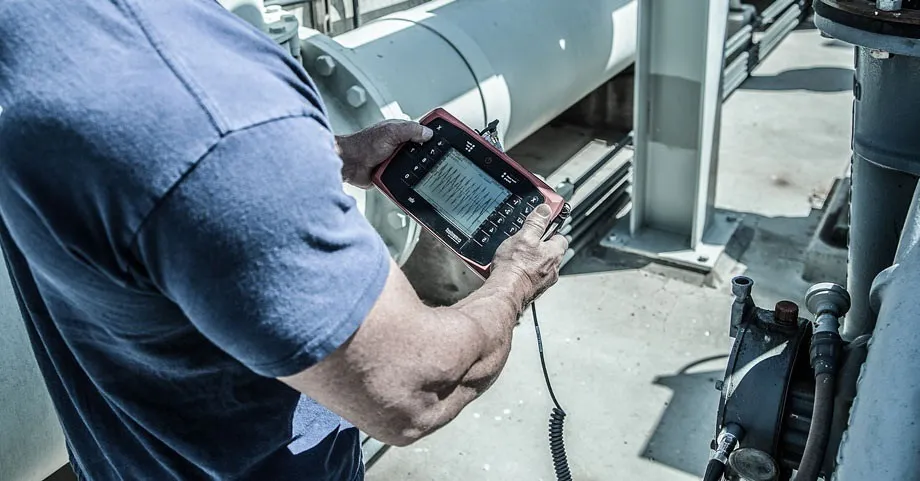
To ensure a successful deployment of vibration monitoring on production lines, consider the following best practices:
- Start with Critical Assets: Focus initial efforts on machines whose failure would have the greatest impact on production.
- Establish Baselines: Collect vibration data from healthy equipment to define normal operating ranges.
- Automate Data Collection: Use wireless sensors and cloud-based platforms to streamline data acquisition and analysis.
- Train Staff: Ensure maintenance and operations teams understand how to interpret vibration data and respond to alerts.
- Integrate with Existing Systems: Connect vibration monitoring tools with CMMS or ERP systems for seamless workflow integration.
Adopting these practices will help organizations realize the full benefits of production line efficiency monitoring and drive measurable improvements in uptime and productivity.
Frequently Asked Questions
What types of faults can vibration monitoring detect on a production line?
Vibration monitoring can identify a wide range of mechanical issues, including bearing wear, shaft misalignment, imbalance, gear mesh problems, and looseness. Early detection of these faults allows maintenance teams to address them before they lead to unplanned downtime or equipment damage.
How often should vibration data be collected for effective monitoring?
The optimal frequency depends on the criticality of the equipment and the operating environment. For high-value or high-risk assets, continuous monitoring is recommended. For less critical machines, periodic data collection—such as weekly or monthly—may be sufficient. Automated systems make it easier to adjust data collection intervals as needed.
Can vibration analysis be integrated with other condition monitoring methods?
Yes, combining vibration analysis with techniques like temperature monitoring, oil analysis, and acoustic measurements provides a more comprehensive view of asset health. This integrated approach enhances the accuracy of fault detection and supports more effective maintenance planning.