
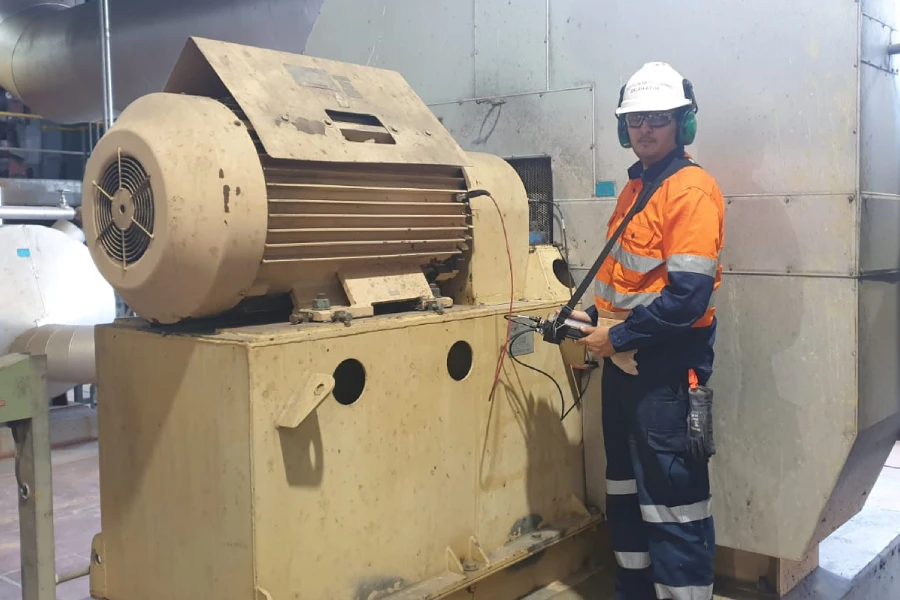
Vibration spectrum analysis basics are essential for anyone looking to understand the health and performance of rotating machinery. Whether you’re new to condition monitoring or seeking to improve your predictive maintenance strategy, learning the fundamentals of vibration data interpretation can help you detect faults early, reduce downtime, and extend equipment life. This guide breaks down the core concepts, tools, and practical steps for beginners, making it easier to get started with vibration diagnostics.
Before diving into the technical details, it’s important to recognize how vibration monitoring fits into industrial maintenance. Many industries, from manufacturing to power generation, rely on vibration analysis to keep critical assets running smoothly. If you’re interested in how these techniques are applied in specific sectors, you might find the article on vibration analysis for power plants particularly useful.
Understanding the Fundamentals of Vibration Analysis
At its core, vibration analysis involves measuring the oscillations of a machine or component over time. These oscillations can reveal a lot about the condition of bearings, gears, shafts, and other internal parts. By examining the frequency and amplitude of vibrations, maintenance teams can pinpoint issues such as imbalance, misalignment, looseness, or bearing defects before they lead to costly failures.
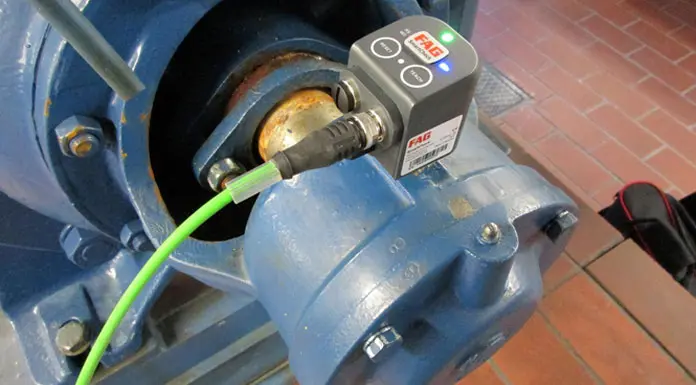
The process typically starts with a sensor (often an accelerometer) mounted on the equipment. This sensor collects vibration data, which is then converted into a spectrum—a graph showing vibration amplitude versus frequency. Analyzing this spectrum allows technicians to identify abnormal patterns that indicate specific mechanical problems.
Key Concepts in Vibration Spectrum Interpretation
To make sense of vibration data, it’s important to understand a few key terms and concepts:
- Frequency: The number of vibration cycles per second, measured in Hertz (Hz). Different machine faults produce vibrations at characteristic frequencies.
- Amplitude: The strength or magnitude of the vibration signal. Higher amplitudes often indicate more severe issues.
- Spectrum: A plot of amplitude versus frequency. Peaks in the spectrum correspond to specific sources of vibration.
- Harmonics: Multiples of a fundamental frequency, often associated with imbalance or misalignment.
- Sidebands: Smaller peaks around a main frequency, which can indicate gear or bearing faults.
By learning to recognize these patterns, even beginners can start to diagnose common machinery problems with confidence.
Common Faults Detected Through Spectrum Analysis
One of the main advantages of spectrum analysis is its ability to detect a wide range of mechanical faults early. Here are some of the most common issues identified through this method:
- Imbalance: Shows up as a high amplitude peak at the machine’s running speed (1x RPM).
- Misalignment: Often produces peaks at 1x and 2x running speed, sometimes with accompanying harmonics.
- Bearing Defects: Characterized by high-frequency peaks and sidebands, which can be matched to bearing fault frequencies.
- Gear Mesh Problems: Detected by peaks at gear mesh frequencies and their sidebands.
- Looseness: Results in a series of harmonics and sometimes a “noisy” spectrum.
Understanding these signatures is a key part of mastering vibration spectrum analysis basics. With practice, you’ll be able to spot these patterns and take corrective action before minor issues escalate.
Tools and Equipment for Vibration Monitoring
Getting started with vibration diagnostics doesn’t require a huge investment, but having the right tools is essential. The most common equipment includes:
- Accelerometers: Sensors that measure vibration in one or more axes.
- Data Collectors: Portable devices that store vibration data for later analysis.
- Analyzers and Software: Tools that convert raw vibration signals into spectra and help interpret the results.
Modern systems often include wireless sensors and cloud-based platforms, making it easier to monitor assets remotely and receive alerts when abnormal patterns are detected. For a deeper dive into how these systems are used in different industries, you can explore resources on vibration analysis for steel manufacturing or vibration analysis for paper mills.

Step-by-Step Guide to Performing Basic Spectrum Analysis
For those new to this field, here’s a straightforward process to follow when analyzing vibration spectra:
- Install the Sensor: Attach the accelerometer securely to the machine at a recommended location (e.g., near bearings or gearboxes).
- Collect Data: Use a data collector or monitoring system to record vibration signals during normal operation.
- Generate the Spectrum: Transfer the data to analysis software, which will display the vibration spectrum.
- Identify Peaks: Look for significant peaks in the spectrum and note their frequencies and amplitudes.
- Compare to Baseline: If available, compare the current spectrum to a baseline (healthy) reading to spot changes.
- Interpret Results: Match observed patterns to known fault signatures (imbalance, misalignment, bearing issues, etc.).
- Take Action: If a fault is detected, plan maintenance or further inspection as needed.
Following these steps will help you build confidence in your ability to use vibration spectrum analysis basics for effective machinery diagnostics.
Best Practices and Tips for Beginners
Success in vibration monitoring comes from consistency and attention to detail. Here are some best practices to keep in mind:
- Keep Records: Maintain a log of spectra and machine conditions for trend analysis.
- Monitor Regularly: Schedule periodic measurements to catch developing issues early.
- Train Continuously: Stay updated with new techniques and technologies in the field.
- Collaborate: Work with experienced analysts or use external resources, such as this in-depth vibration analysis article, to expand your knowledge.
- Integrate with Other Methods: Combine vibration analysis with other condition monitoring strategies, like oil analysis or thermography, for a more comprehensive view.
As you gain experience, interpreting spectra will become more intuitive, and you’ll be able to make more informed maintenance decisions.
Applications Across Industries
Vibration monitoring isn’t limited to one type of equipment or industry. It’s widely used in:
- Manufacturing: To prevent unplanned downtime in production lines.
- Power Generation: For monitoring turbines, pumps, and generators.
- Pulp and Paper: To avoid costly breakdowns in continuous processes.
- Pharmaceuticals: Where compliance and uptime are critical.
If you want to learn more about how condition monitoring supports manufacturing operations, the guide on condition monitoring for manufacturing plants provides a comprehensive overview.
Frequently Asked Questions
What is the main purpose of vibration spectrum analysis?
The primary goal is to detect and diagnose mechanical faults in rotating machinery by analyzing vibration patterns. This allows maintenance teams to address issues proactively, reducing downtime and preventing catastrophic failures.
How often should vibration measurements be taken?
The frequency depends on the criticality of the asset and operating conditions. For high-value or mission-critical equipment, weekly or even continuous monitoring is recommended. Less critical machines may be checked monthly or quarterly.
Can beginners perform vibration analysis effectively?
Yes, with the right training and tools, beginners can start identifying common faults using basic spectrum analysis techniques. Over time, experience and continued learning will improve accuracy and confidence.
What are some signs of bearing failure in a vibration spectrum?
Bearing defects often produce high-frequency peaks and sidebands at specific frequencies related to the bearing’s geometry. These patterns can be matched to manufacturer data to confirm the fault.
Is vibration analysis suitable for all types of machinery?
Most rotating and reciprocating equipment can benefit from vibration monitoring, including motors, pumps, fans, compressors, and gearboxes. However, the approach may need to be tailored for very slow-speed or non-rotating assets.
Mastering vibration spectrum analysis basics is a valuable skill for anyone involved in machinery maintenance or reliability. By understanding the principles, using the right tools, and following best practices, you can significantly improve equipment performance and reduce unplanned downtime.